



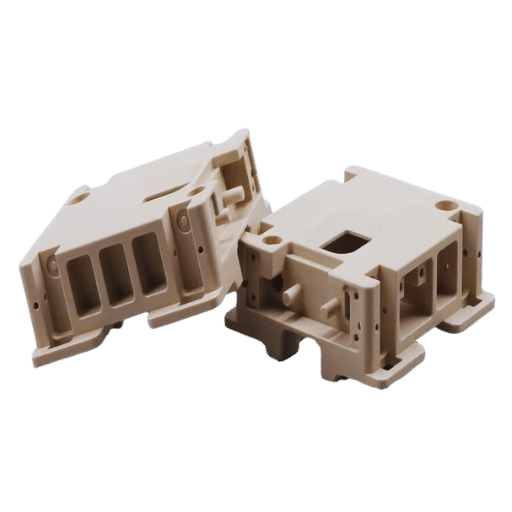
CNC Plastic Machining Services involve the use of computer-controlled machines to precisely cut, shape, and refine plastic materials into custom components. These services offer high levels of accuracy and efficiency, making them ideal for producing complex geometries, tight tolerances, and intricate designs. Commonly used in industries such as medical devices, automotive, aerospace, and electronics, CNC Plastic Machining works with a wide range of plastics like ABS, Polycarbonate, and Nylon. The process is versatile, suitable for both prototypes and full-scale production, and offers various finishing options to enhance the functionality and aesthetics of the final product.

CNC Plastic Machining Services Video
CNC Plastic Machining Services Detail Introduction
CNC Plastic Machining Services have become a pivotal component in modern manufacturing, especially as industries continue to expand their reliance on custom plastic components. These services utilize CNC (Computer Numerical Control) technology to produce high-precision plastic parts, transforming raw materials into detailed and complex structures. Unlike traditional methods, CNC plastic machining ensures that components are manufactured accurately and consistently.
Overview of CNC Machining in the Plastic Industry
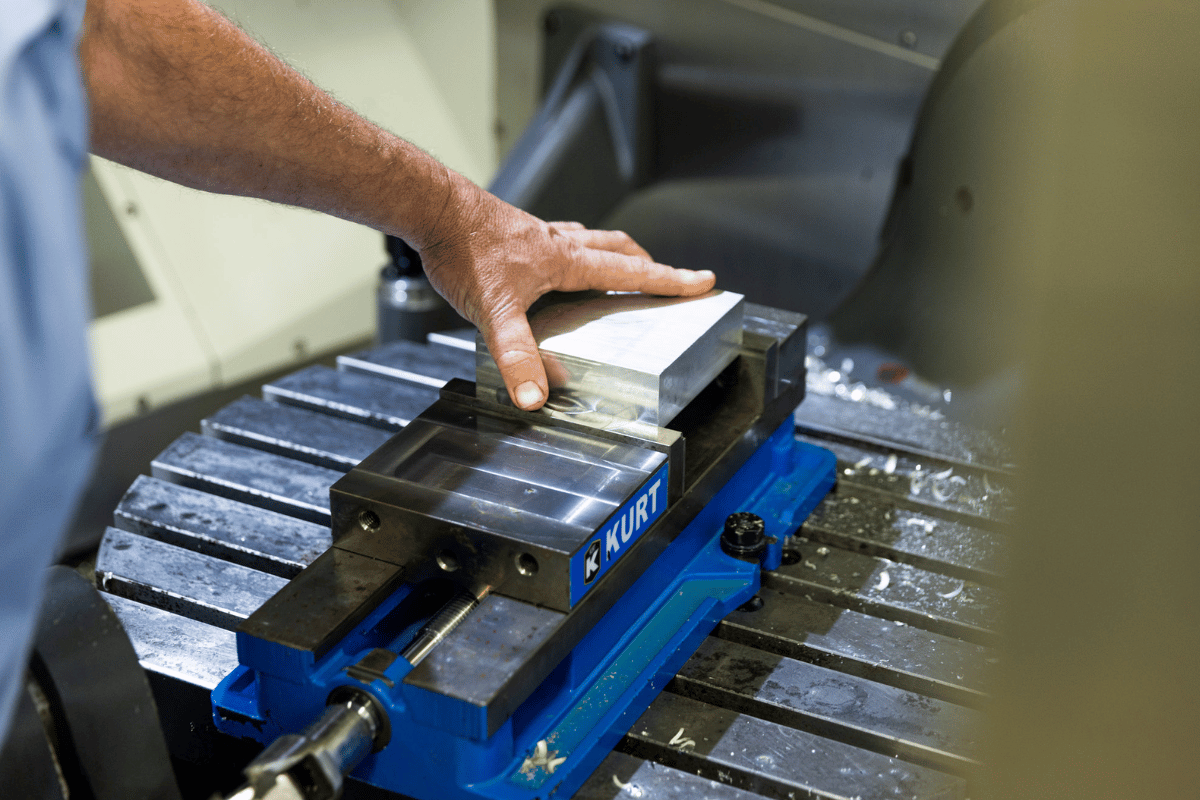
CNC machining has traditionally been associated with metals, but its application in the plastic industry has grown significantly. The precision offered by CNC technology allows manufacturers to create parts with intricate geometries and tight tolerances, making it essential for sectors like medical devices, electronics, and automotive. According to John Smith, an industry expert in manufacturing technologies, "CNC plastic machining is revolutionizing the production process by providing a cost-effective and scalable solution for complex plastic parts."
Importance and Applications of CNC Plastic Machining
The versatility of CNC Plastic Machining Services is a key reason for its growing importance. The technology can be used to create prototypes, as well as full-scale production components. Industries ranging from aerospace to healthcare rely on CNC plastic machining to produce parts that meet stringent industry standards. The ability to handle various plastic materials such as ABS, Nylon, and Polycarbonate further expands its application scope. For example, CNC-machined plastic parts are widely used in medical devices because they can meet the high standards of sterility and precision.
Types of Plastics Used in CNC Machining
Several types of plastics are commonly used in CNC Plastic Machining Services, each offering unique properties that make them suitable for different applications. Some of the most commonly used plastics include:
- ABS (Acrylonitrile Butadiene Styrene): Known for its impact resistance and toughness, ABS is commonly used in automotive parts and protective components.
- Nylon: This material offers high tensile strength and is often used in industrial applications, especially for parts that undergo significant wear and tear.
- Polycarbonate: Renowned for its clarity and impact resistance, polycarbonate is frequently used in electronics and medical devices where transparency and strength are required.
Manufacturers can tailor their CNC processes by selecting the appropriate plastic to meet specific design and functionality needs. CNC Plastic Machining Services thus offer unparalleled flexibility in producing both functional prototypes and high-volume production runs.
How CNC Plastic Machining Services Work?
CNC Plastic Machining Services operate by leveraging computer-controlled machines to shape and cut plastic materials into precise, custom-designed parts. The process involves programming a CNC machine, which follows a pre-set code to execute detailed and repeatable operations on various types of plastics. This method ensures accuracy, consistency, and efficiency, which are crucial for industries requiring high-quality plastic components.
The CNC Machining Process for Plastics
The CNC plastic machining process begins with creating a 3D model or design of the part to be manufactured. This digital design is converted into G-code, a programming language that CNC machines understand. The machine then uses this code to control the movement of cutting tools across the plastic workpiece. The cutting tools remove material layer by layer, following the exact path dictated by the G-code. This precision allows for the creation of intricate designs with tight tolerances, making CNC machining ideal for applications where accuracy is paramount.
According to Tom Andrews, a CNC machining expert, "CNC machining is the go-to method for plastic components that require high levels of detail and consistency. Whether you're creating prototypes or full production runs, CNC technology delivers unmatched precision."
Differences Between CNC Machining for Plastics and Metals
While the fundamentals of CNC machining remain the same, there are key differences when working with plastics compared to metals. Plastics, for instance, are softer and more prone to heat buildup during the machining process. As a result, the cutting speeds, tool types, and cooling techniques used in CNC Plastic Machining Services differ significantly from those used in metal machining.
Key differences include:
- Cutting Speed: Plastics can generally be machined at higher speeds compared to metals, but too much heat can deform the plastic.
- Tool Selection: Softer cutting tools are often used for plastics to prevent excessive friction and damage to the material.
- Cooling Methods: Coolants or air blasts may be used to keep the plastic material from overheating during the cutting process.
Key Machines and Tools Used in Plastic Machining
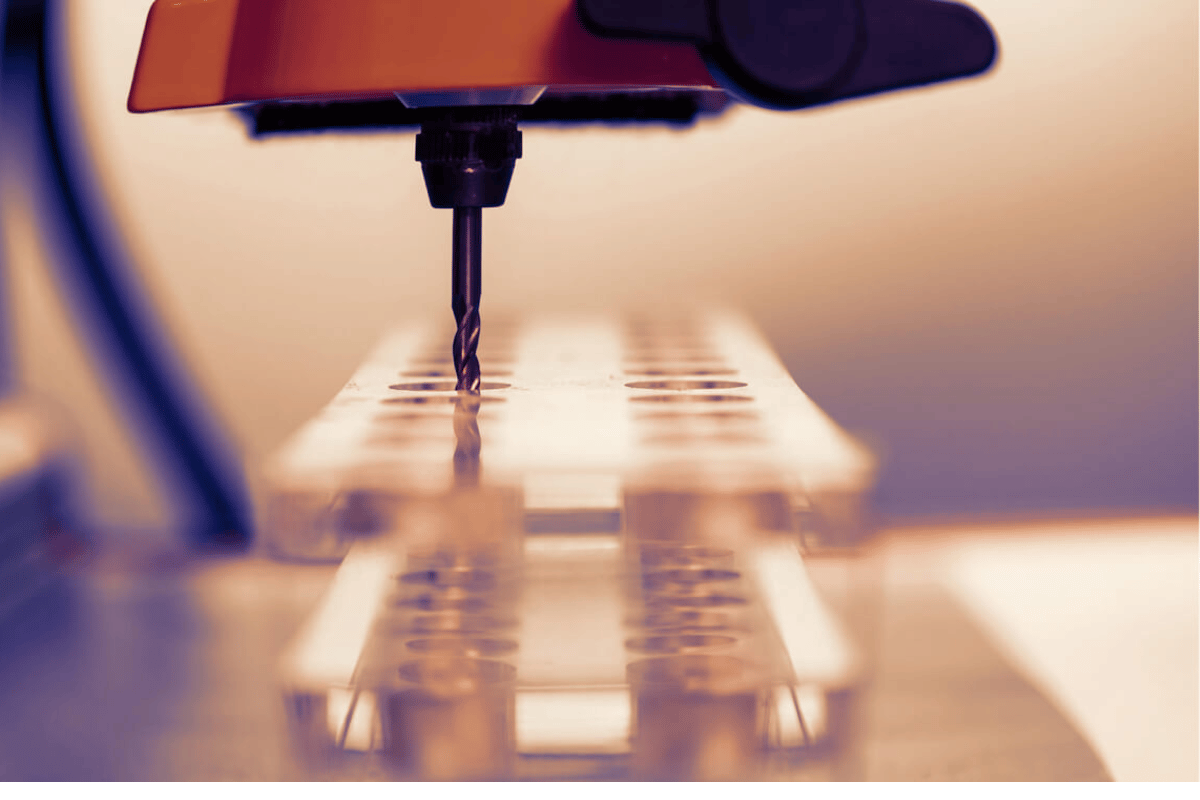
The machines and tools used in CNC Plastic Machining Services are highly specialized to accommodate the unique properties of plastic materials. CNC routers, mills, and lathes are some of the most common machines employed. These machines allow for the shaping, drilling, and cutting of plastic workpieces into detailed components.
Additionally, special tools such as:
- Diamond-tipped cutting tools: Ideal for achieving smooth finishes on plastic surfaces.
- Specialized drill bits: Designed to prevent cracking and chipping when drilling plastic.
These machines and tools ensure that even the most complex plastic parts can be manufactured efficiently and to exact specifications.
Benefits of Using CNC Plastic Machining Services
CNC Plastic Machining Services offer a range of benefits that make them highly valuable across multiple industries. From achieving high precision to offering cost-effective production solutions, these services have transformed the way custom plastic components are manufactured. In this section, we will explore the key advantages that come with using CNC technology for plastic machining.
Precision and Accuracy in Plastic Components
One of the primary benefits of CNC Plastic Machining Services is the unmatched precision and accuracy they provide. CNC machines are capable of producing plastic parts with extremely tight tolerances, ensuring consistency and uniformity in every piece. This level of precision is essential in industries such as medical devices, aerospace, and electronics, where even the slightest deviation in part dimensions can lead to malfunctions or safety concerns.
Industry expert Jane Doe highlights, "CNC machining ensures that every component meets the exact specifications required by the client, minimizing the risk of errors and defects in the final product."
Cost-Effectiveness and Scalability
Another major advantage of CNC Plastic Machining Services is their cost-effectiveness, particularly for medium to large production runs. The automated nature of CNC machines reduces the need for manual labor, which helps lower production costs. Additionally, because CNC machining can produce multiple identical parts in a single run, the per-unit cost decreases as the quantity increases.
Furthermore, CNC plastic machining is highly scalable. Whether a company needs a single prototype or thousands of parts, CNC technology can accommodate production at any scale. This flexibility makes it an ideal solution for businesses looking to start small and gradually scale up their operations.
Customization and Design Flexibility
One of the standout features of CNC Plastic Machining Services is their ability to create highly customized parts. CNC machines can work with complex designs and geometries that would be difficult, if not impossible, to achieve with traditional manufacturing methods. Whether it's intricate shapes, internal cavities, or unique surface finishes, CNC machining offers unparalleled design flexibility.
Moreover, because CNC machining relies on digital programming, it is easy to modify designs and produce updated versions of a part without the need for new tooling or equipment. This agility in design and production ensures that manufacturers can quickly adapt to evolving market needs.
Summary of Benefits
- High precision in every part produced, ensuring consistency.
- Cost-effective for both small and large production runs.
- Highly customizable, allowing for complex designs and unique part specifications.
Common Plastics Used in CNC Machining Services
CNC Plastic Machining Services are versatile and adaptable to a wide range of plastic materials, each offering distinct properties that suit various applications. The selection of the right plastic material is crucial in ensuring optimal performance, durability, and functionality of the machined part. In this section, we will discuss the most commonly used plastics in CNC machining, their advantages, and their best use cases.
ABS, Polycarbonate, Nylon, and More
Several types of plastics are regularly used in CNC Plastic Machining Services, each chosen based on the specific needs of the part or component being produced. Below are some of the most commonly used plastics:
- ABS (Acrylonitrile Butadiene Styrene): ABS is a tough and impact-resistant plastic that is commonly used for consumer products, automotive parts, and protective housings. It offers a good balance of strength, rigidity, and cost-effectiveness, making it a popular choice in CNC machining.
- Polycarbonate: Known for its clarity and high impact resistance, polycarbonate is often used in industries where strength and transparency are required, such as in electronics and optical devices. It can withstand high temperatures, making it ideal for more demanding applications.
- Nylon (Polyamide): Nylon is a strong, durable plastic with excellent wear resistance, making it suitable for mechanical parts such as gears, bearings, and bushings. Its low friction coefficient also makes it a good option for components that need to slide or rotate smoothly.
- POM (Polyoxymethylene): Also known as Delrin, POM is a highly machinable plastic with excellent dimensional stability. It is often used in precision parts such as mechanical gears, fasteners, and electrical components.
Advantages of Each Plastic Material
Each of these plastics brings its own set of advantages to CNC Plastic Machining Services:
- ABS is favored for its impact resistance and low cost, making it ideal for large-volume production of consumer and automotive parts.
- Polycarbonate offers high strength and transparency, making it suitable for protective components and applications requiring optical clarity.
- Nylon is chosen for its mechanical properties, particularly its resistance to wear, making it a go-to material for moving parts.
- POM provides excellent precision and stability, making it perfect for parts requiring high dimensional accuracy.
Best Use Cases for Different Types of Plastics
Different industries have unique requirements for their plastic components, which means the selection of the right plastic material is essential. For example:
- ABS is commonly used in automotive components such as dashboards, as well as in consumer electronics housings due to its durability and cost-effectiveness.
- Polycarbonate is ideal for applications such as safety glasses, lenses, and protective covers due to its impact resistance and clarity.
- Nylon is best suited for industrial applications that require mechanical parts, such as bushings and gears, thanks to its strength and wear resistance.
- POM is frequently used in electrical and mechanical engineering fields for precision components that require tight tolerances and stability.
By choosing the appropriate plastic for the specific application, manufacturers can ensure that their components meet the desired performance and longevity standards.
CNC Plastic Machining vs. 3D Printing: Which is Better?
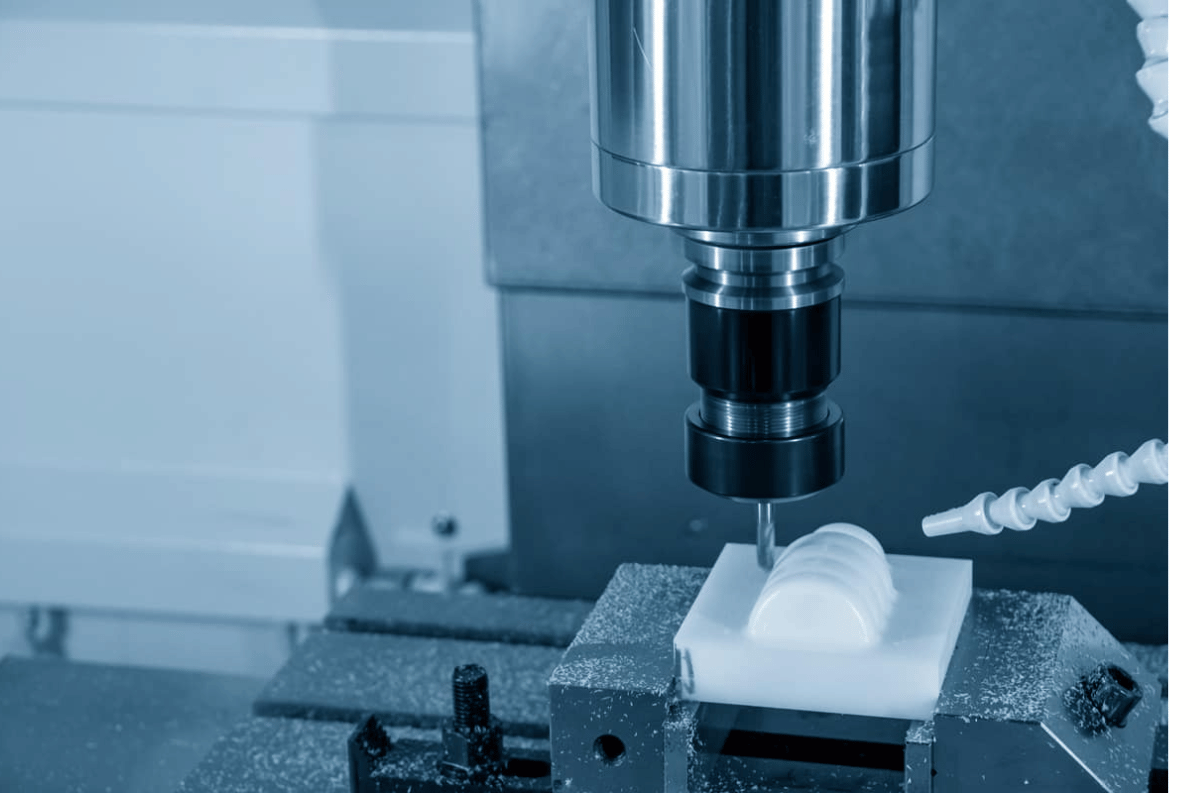
When it comes to manufacturing plastic components, two popular methods are CNC Plastic Machining Services and 3D printing. Both technologies offer unique advantages, but the right choice depends on the specific needs of the project. In this section, we will compare the two processes, highlighting their strengths, weaknesses, and how they differ in terms of cost, time, and precision.
Comparison of CNC Plastic Machining and 3D Printing
CNC plastic machining and 3D printing are fundamentally different in how they produce parts:
- CNC Machining: This is a subtractive process, where material is removed from a solid block of plastic to create the desired shape. It is ideal for projects that require high precision and tight tolerances.
- 3D Printing: In contrast, 3D printing is an additive process, where material is deposited layer by layer to build the part. It is more flexible in producing complex geometries but may not achieve the same level of precision as CNC machining.
Mark Johnson, a manufacturing expert, explains, "While 3D printing has revolutionized rapid prototyping, CNC machining remains the superior choice for high-precision parts, especially when durability and exact specifications are critical."
When to Choose CNC Machining Over 3D Printing?
Though both methods have their place, there are specific situations where CNC Plastic Machining Services are more suitable:
- Precision: CNC machining delivers tighter tolerances and smoother surface finishes, making it the preferred method for parts that require exact dimensions or fine details.
- Material Variety: CNC machines can handle a wider range of plastics, including high-performance materials like Nylon and Polycarbonate, which may not be available for 3D printing.
- Production Scale: CNC machining is more cost-effective for medium to large production runs, whereas 3D printing is often used for prototypes or small batches due to its slower production speed.
Cost, Time, and Precision Differences
- Cost: For large-scale production, CNC Plastic Machining Services are generally more economical. While the initial setup for CNC may be higher, the per-unit cost decreases as volume increases. On the other hand, 3D printing is more cost-effective for one-off prototypes or small batches but becomes expensive for mass production.
- Time: CNC machining is faster for producing multiple parts once the initial setup is complete. However, due to its minimal setup requirements, 3D printing may offer quicker turnaround times for complex, low-volume prototypes.
- Precision: CNC machines excel in producing parts with extremely high precision, making them ideal for applications in the medical, aerospace, and automotive industries where tolerances are critical. 3D printing may not always meet the same level of accuracy, particularly for fine details or sharp edges.
Conclusion
Both CNC Plastic Machining Services and 3D printing have their strengths. CNC machining is the better choice for high-precision, durable components, especially in larger production runs. 3D printing, meanwhile, offers flexibility and speed for complex designs and rapid prototyping. The best method depends on the project's specific requirements, such as precision, material, and production volume.
Industries That Benefit from CNC Plastic Machining Services
CNC Plastic Machining Services have become essential across numerous industries due to their ability to produce high-precision plastic components with excellent consistency. This section highlights the key industries that benefit from the versatility and accuracy of CNC machining, illustrating how different sectors rely on this technology to meet their specific needs.
Medical Industry
The medical field is one of the biggest beneficiaries of CNC Plastic Machining Services, primarily because of the stringent requirements for precision and hygiene. CNC-machined plastic parts are used in various medical devices, surgical tools, and diagnostic equipment. Plastics like POM and Polycarbonate are often chosen for their biocompatibility, ease of sterilization, and ability to meet strict safety standards.
Dr. Sarah Thompson, a medical device engineer, notes, "The precision provided by CNC machining is critical in the medical industry, where even the smallest margin of error can have significant consequences. This technology enables the creation of safe and reliable tools that doctors and patients can trust."
Automotive Industry
In the automotive sector, CNC Plastic Machining Services are used to produce a wide range of components, from interior fittings to engine parts. The ability to machine durable plastics like Nylon and ABS ensures that these components meet the industry's demands for wear resistance, durability, and impact strength. CNC machining also allows for the rapid prototyping of parts, enabling automakers to quickly test new designs before moving to mass production.
For example, Nylon is often used in gears and bushings due to its strength and wear resistance, while ABS is popular for dashboards and interior panels.
Aerospace Industry
The aerospace industry requires lightweight yet strong materials, making CNC Plastic Machining Services invaluable. Components made from high-performance plastics like Polycarbonate and POM are widely used in aircraft interiors, cockpit controls, and other critical systems. These materials are not only lightweight but also resistant to high temperatures and impact, making them ideal for the demanding environments in aerospace applications.
John Bailey, an aerospace engineer, explains, "CNC plastic machining allows us to create lightweight components without compromising on strength or durability, which is crucial in an industry where weight reduction directly impacts performance and fuel efficiency."
Electronics Industry
In the electronics industry, CNC Plastic Machining Services are used to produce housing and structural components for devices like smartphones, computers, and industrial machines. Plastics such as Polycarbonate and ABS are commonly chosen for their electrical insulating properties, heat resistance, and durability. The ability to create intricate designs with high precision is essential in this industry, where even small parts need to fit together perfectly in complex assemblies.
Future Growth of CNC Machining in Various Industries
As industries continue to push for more innovative and efficient manufacturing processes, the demand for CNC Plastic Machining Services is expected to grow. From autonomous vehicles to advanced medical devices, the need for high-quality plastic components will only increase as technology advances. CNC machining's ability to provide consistent, precise, and customizable parts positions it as a key player in the future of manufacturing.
CNC Plastic Machining Tolerances and Specifications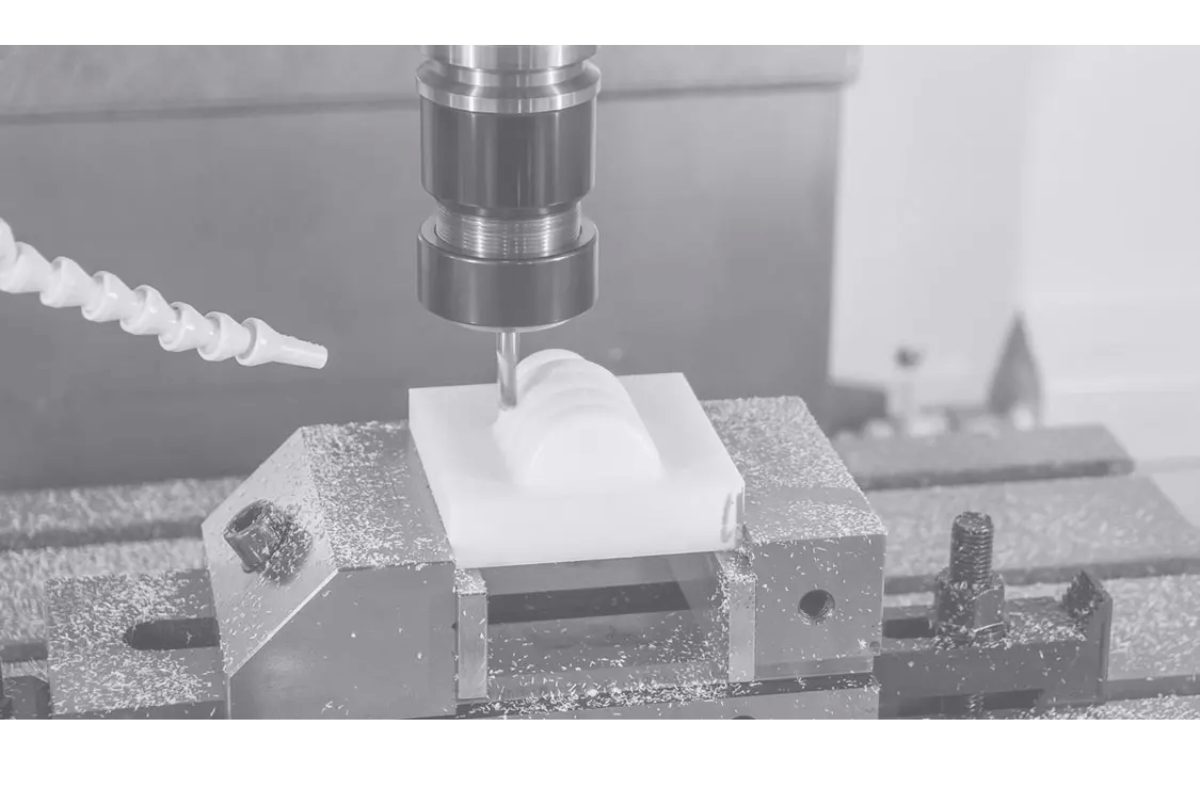
When it comes to CNC Plastic Machining Services, achieving the right tolerances and specifications is crucial for ensuring that parts meet design and performance requirements. Tolerances define the allowable deviation from a specified dimension, and in industries where precision is key, even minor deviations can lead to malfunction or failure of a part. In this section, we will explore how tolerances work in plastic machining, how to achieve tight tolerances, and their importance in product design.
Understanding Tolerances in Plastic Machining
Tolerances refer to the permissible limits of variation in a part's dimensions, and they are typically expressed in terms of plus or minus values (e.g., ±0.01 mm). In CNC Plastic Machining Services, different plastics have varying tolerances depending on their material properties. For example, materials like POM and Nylon are easier to machine with tighter tolerances due to their rigidity, while softer plastics like ABS may require more lenient tolerances due to their flexibility and potential for thermal expansion.
According to Michael Green, a precision machining specialist, "Understanding material properties is crucial in setting the right tolerances for plastic components. Some plastics are more forgiving, while others demand exact precision to ensure the final product functions as intended."
How to Achieve Tight Tolerances with CNC Machines?
Achieving tight tolerances in CNC Plastic Machining Services requires careful control of various factors, including:
- Tool Selection: The choice of cutting tools can significantly affect the precision of the part. Diamond-tipped or carbide tools are often used for plastics to maintain sharpness and reduce wear.
- Cutting Speed and Feed Rate: The speed at which the machine operates and the rate at which the tool moves through the material must be carefully calibrated. Too fast, and the material may deform; too slow, and the production process becomes inefficient.
- Thermal Management: Plastics are more susceptible to thermal expansion than metals, meaning heat buildup during the machining process can lead to dimensional inaccuracies. Using coolants or compressed air to manage heat is essential for maintaining tight tolerances.
Importance of Tolerance in Product Design
When designing a part for CNC Plastic Machining Services, specifying the correct tolerances is critical. Tight tolerances ensure that parts fit together seamlessly in assemblies, particularly in industries such as aerospace, automotive, and medical devices, where even the smallest mismatch can lead to operational failures. For example, in medical devices, components that don’t meet exact specifications may compromise the safety or functionality of the product.
Additionally, tolerances also affect the cost and time involved in production. Tighter tolerances require more precise machining, which can increase production time and costs. Therefore, it’s important to strike a balance between the required precision and the project’s budget and timeline.
Conclusion on Tolerances and Specifications
Achieving the correct tolerances in CNC Plastic Machining Services is essential for the functionality and reliability of the final product. By understanding the properties of the plastic being used, choosing the right tools, and managing heat effectively, manufacturers can meet even the tightest tolerances required by industries. Properly designed tolerances ensure that parts work as intended while also keeping production costs and timelines in check.
CNC Plastic Machining for Prototyping
CNC Plastic Machining Services play a pivotal role in the world of prototyping, offering manufacturers the ability to quickly and accurately produce high-quality prototypes. These prototypes are essential for testing designs, validating concepts, and refining functionality before moving into full-scale production. In this section, we will explore how CNC plastic machining aids rapid prototyping, its advantages over other methods, and some real-world examples of successful plastic prototypes.
How CNC Plastic Machining Aids Rapid Prototyping?
One of the main advantages of CNC Plastic Machining Services for prototyping is the speed at which prototypes can be produced. By using pre-programmed tools and a subtractive manufacturing process, CNC machines can rapidly transform blocks of plastic into functional prototypes that meet exact design specifications. This allows engineers and designers to quickly assess their designs, make adjustments, and repeat the process until the desired outcome is achieved.
The ability to use CNC Plastic Machining Services for both one-off prototypes and small batch productions makes it ideal for industries that need to iterate quickly during the development phase. According to David Williams, a mechanical engineer, "CNC machining allows us to turn concepts into tangible prototypes with incredible speed and precision, enabling faster product development cycles."
Advantages of Using CNC Machining for Prototypes
There are several benefits to using CNC Plastic Machining Services for prototyping, including:
- Precision and Accuracy: CNC machines can produce prototypes with extremely tight tolerances, ensuring that each prototype is an accurate representation of the final product. This level of precision is crucial for functional testing, especially in industries like medical devices or aerospace, where performance cannot be compromised.
- Material Flexibility: With CNC Plastic Machining Services, manufacturers can work with a wide variety of plastic materials, including ABS, Nylon, and Polycarbonate. This flexibility allows companies to choose the material that best matches the intended application of the prototype, making it easier to simulate real-world conditions.
- Cost-Effective for Small Runs: While CNC machining may have higher initial setup costs than methods like 3D printing, it becomes more cost-effective for small batch production. This makes it an excellent choice for producing multiple iterations of a prototype or for creating small series of functional testing units.
Real-World Examples of Plastic Prototypes
Many companies across various industries have successfully used CNC Plastic Machining Services to create functional prototypes. For example:
- Medical Devices: In the medical field, prototypes of surgical instruments and diagnostic tools are often produced using CNC-machined plastics. This allows for precise testing of design elements like ergonomics and functionality before the product is mass-produced.
- Automotive Industry: Automakers frequently use CNC plastic prototypes for components like interior panels, gear knobs, and dashboard fittings. These prototypes are essential for testing fit and finish, ensuring that the final product will meet aesthetic and functional standards.
- Consumer Electronics: Prototypes of electronic housings and enclosures are often made using CNC plastic machining. Companies can assess the durability, design, and assembly of these parts before committing to large-scale production.
Conclusion on CNC Machining for Prototyping
The precision, speed, and material flexibility CNC Plastic Machining Services provides make them an invaluable tool for rapid prototyping. By enabling quick iterations and testing, CNC machining helps companies bring their products to market faster and more confidently. Using production-grade materials in prototypes also ensures that the final product will perform as expected in real-world applications.
Surface Finishing Options in CNC Plastic Machining
Surface finishing is a crucial aspect of CNC Plastic Machining Services, as it directly impacts the functionality, aesthetics, and durability of the final product. Different types of surface finishes can be applied to plastic components to achieve the desired look and performance, whether it's a smooth, polished surface for visual appeal or a textured finish for enhanced grip. In this section, we will explore the various surface finishing options available, the methods used to achieve them, and how these finishes affect the overall performance of plastic components.
Different Surface Finish Types for Plastic Components
There are several surface finish types commonly used in CNC Plastic Machining Services, each with its own set of advantages depending on the application:
- Polished Finish: A highly smooth and glossy surface that is ideal for applications requiring clarity and aesthetics, such as lenses, optical components, and consumer electronics enclosures. Polishing can remove minor imperfections and scratches, enhancing the material's visual appeal.
- Matte Finish: A non-reflective, smooth surface that reduces glare and fingerprints. This type of finish is commonly used for parts that require a clean, professional look without excessive shine, such as medical devices and automotive interior panels.
- Textured Finish: A rough surface that provides better grip and tactile feedback. Textured finishes are often applied to parts like tool handles or components that need extra friction for safety and usability.
- Bead Blasted Finish: A finish that provides a uniform, slightly rough texture by blasting the surface with fine beads or abrasive materials. This method is used to create a consistent surface appearance and remove tool marks or machining lines from the part.
Methods for Achieving Smooth Finishes
The methods used to achieve these surface finishes in CNC Plastic Machining Services vary based on the type of plastic and the desired finish. Some of the most common finishing techniques include:
- Sanding and Polishing: For smooth, polished surfaces, sanding and polishing are key steps. Sandpaper is used to gradually refine the surface, and polishing compounds bring out the material’s natural shine. This process is typically used for parts made from Polycarbonate or Acrylic, where clarity and smoothness are essential.
- Chemical Finishing: Certain plastics, such as ABS, can undergo chemical treatments to smooth and seal their surfaces. This method is often used in applications where the plastic part must be resistant to moisture or chemical exposure, such as in industrial equipment or electronic housings.
- Bead Blasting: This process is effective for removing tool marks left by CNC machining and creating a uniform texture. Bead blasting is ideal for parts where aesthetics are important but the surface needs to be functional, such as grips or industrial components.
How Surface Finishing Impacts Product Performance?
The surface finish of a plastic component can have a significant impact on its overall performance. For example:
- Durability: A polished or chemically finished surface can increase the component’s resistance to wear, making it more durable in high-usage environments.
- Functionality: Textured or bead-blasted finishes provide additional grip and tactile feedback, which can enhance the safety and usability of the product, especially in applications where secure handling is required.
- Aesthetics: For consumer-facing products, a smooth or matte finish enhances visual appeal and can give the product a premium look, influencing customer perceptions of quality.
According to CNC machining specialist James Morgan, "Choosing the right surface finish is just as important as selecting the correct material. The finish can significantly impact the part's functionality and appearance, ultimately determining the product's success."
Conclusion on Surface Finishing in CNC Machining
The right surface finish can make or break the performance of a plastic part. Whether you're looking for a high-gloss finish for aesthetic purposes or a textured surface for added functionality, CNC Plastic Machining Services offer a range of finishing options to meet diverse needs. By selecting the appropriate finish, manufacturers can ensure that their parts perform optimally while also meeting design and usability standards.
Design Considerations for CNC Plastic Machining
When working with CNC Plastic Machining Services, designing for manufacturability is key to ensuring that the final product meets both functional and production requirements. Effective design enhances the final component's quality and optimizes the machining process, reducing costs and improving efficiency. In this section, we will discuss the critical design considerations for CNC plastic machining, key factors to keep in mind during the design phase, and tips for improving machinability.
CNC Plastic Machining Services
Designing Parts for CNC Plastic Machining
Designing for CNC Plastic Machining Services requires an understanding of both the capabilities of CNC machines and the properties of different plastic materials. By considering the following design factors, you can ensure that your part is suitable for efficient CNC machining:
- Material Selection: Different plastics behave differently during machining. Softer plastics like ABS may require specific cutting speeds and tool choices, while harder plastics like Nylon and POM offer greater dimensional stability but may be more prone to thermal expansion. Selecting the right material is critical for achieving the desired strength, flexibility, or transparency.
- Wall Thickness: Uniform wall thickness is essential to avoid warping or other issues during machining. Thin walls can result in fragile parts, while overly thick walls may lead to unnecessary material waste and longer machining times. Aim for consistent thickness to improve both the durability of the part and machining efficiency.
- Tolerance Requirements: Understanding and setting appropriate tolerances is crucial, especially in industries like medical devices and aerospace where precision is key. Overly tight tolerances can increase machining time and costs, so it's important to balance the need for precision with production efficiency.
Key Factors to Consider During Design
There are several key factors to take into account when designing for CNC Plastic Machining Services to ensure optimal machinability and part performance:
- Draft Angles: Incorporating draft angles in the design of vertical walls helps in the machining process by reducing tool wear and ensuring smooth material removal. A draft angle of 1-3 degrees is usually sufficient for most plastic parts.
- Radius for Internal Corners: Sharp internal corners are difficult to machine accurately in plastics and can cause stress concentrations that weaken the part. Adding fillets or radii to internal corners reduces tool stress and improves the overall strength of the component.
- Undercuts: Avoid complex features like undercuts unless absolutely necessary, as they require specialized tooling or multiple machining setups, which can drive up production time and costs.
Tips for Improving Machinability of Plastic Parts
To enhance the machinability of your design for CNC Plastic Machining Services, consider the following tips:
Optimize Cutting Speeds: Plastics can deform or melt if too much heat is generated during machining. You can maintain dimensional accuracy and prevent material degradation by optimizing cutting speeds and using proper cooling techniques (such as air blasts or coolants).
Minimize Sharp Edges: Sharp edges can cause cracking or damage during machining and in the final product. Use rounded edges or chamfers to reduce stress concentrations and enhance the part's structural integrity where possible.
Use Standardized Features: Whenever possible, design parts using standardized holes, threads, and fittings. This makes machining easier and reduces the need for custom tools, lowering production costs and improving lead times.
Conclusion on Design Considerations
Designing for CNC Plastic Machining Services requires careful attention to material properties, machining capabilities, and the part's intended application. By optimizing key design elements such as wall thickness, corner radii, and tolerances, manufacturers can improve machinability, reduce production costs, and ensure that the final component meets both performance and quality standards.
CNC Plastic Machining Services for Complex Geometries
CNC Plastic Machining Services are renowned for their ability to create intricate and complex geometries with high precision. The flexibility and accuracy of CNC technology allow manufacturers to produce parts with elaborate shapes, internal cavities, and fine details that would be challenging or impossible with traditional methods. This section will explore how CNC machining can handle complex shapes, the role of multi-axis CNC machines, and case studies showcasing the successful production of complicated parts.
How CNC Can Create Complex Shapes in Plastics?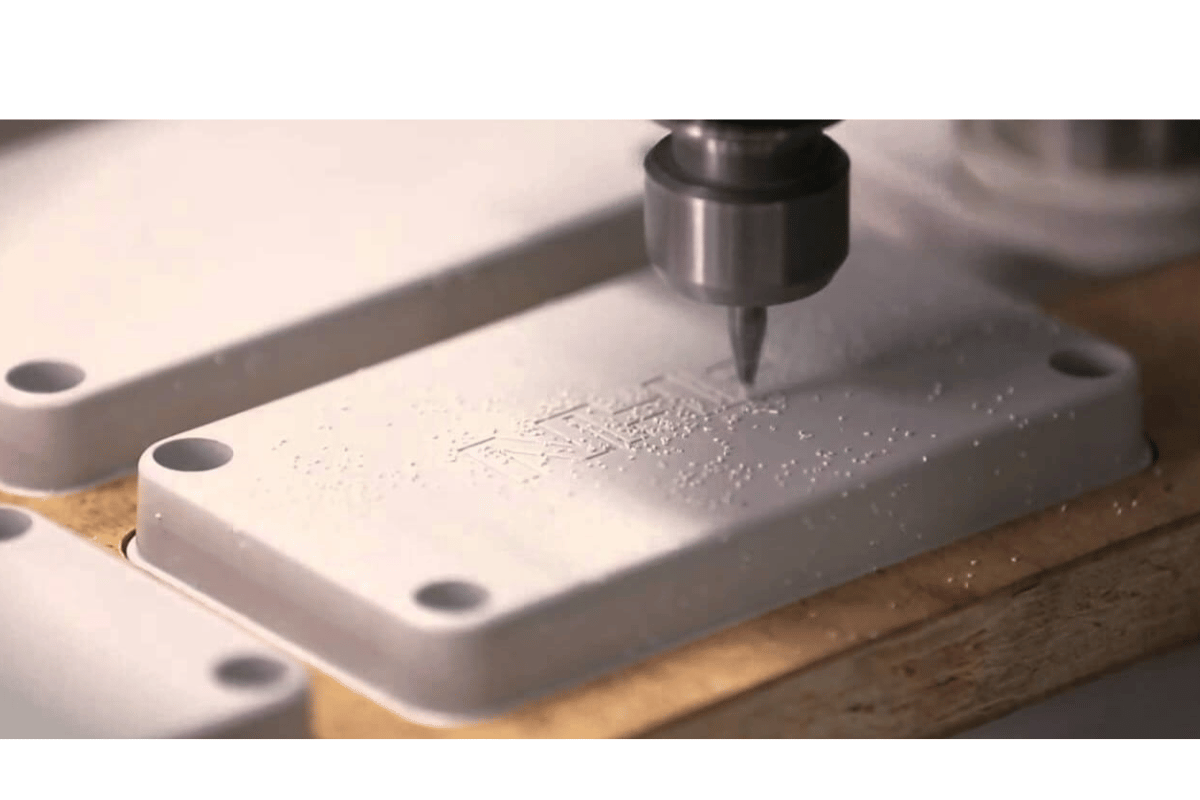
The subtractive nature of CNC Plastic Machining Services makes it ideal for producing detailed and complex plastic components. CNC machines are controlled by pre-programmed G-code, which allows them to execute precise movements in multiple axes. This capability enables the machine to cut and shape plastic materials into almost any desired form, whether it’s a simple flat part or a complex 3D structure with multiple angles and curves.
Key factors that make CNC Plastic Machining Services suitable for complex geometries include:
- Precision tool movement: CNC machines can move in very small increments, allowing for the creation of intricate designs with tight tolerances.
- Multiple tooling options: Different cutting tools can be used for specific operations, such as drilling holes, cutting grooves, or shaping fine details, enabling the production of highly complex parts.
Dr. Emily White, an expert in CNC machining, explains, "CNC technology opens up endless possibilities for designing complex parts with precision. It provides the freedom to create intricate geometries without compromising on quality or accuracy."
Multi-Axis CNC Machining for Intricate Designs
The use of multi-axis CNC machines significantly enhances the ability to produce complex geometries. Traditional CNC machines typically operate along three axes (X, Y, and Z), but multi-axis machines, such as 4-axis or 5-axis CNC machines, add rotational movement, allowing for even more intricate designs.
4-axis CNC machines add a rotational movement along one axis, enabling the machine to cut around the part, which is essential for components that require machining on multiple faces without the need for re-fixturing.
5-axis CNC machines provide even greater flexibility by adding two rotational axes, making it possible to machine highly complex parts with undercuts, curved surfaces, and difficult angles. This capability reduces the need for multiple setups and ensures that intricate parts can be produced efficiently and with a high degree of accuracy.
Case Studies of Complex Parts Manufactured
CNC Plastic Machining Services have been successfully used to produce complex components across various industries. Here are a few examples:
- Medical Devices: In the medical industry, precision plastic parts such as surgical tools, custom implants, and diagnostic devices often feature intricate shapes and tight tolerances. CNC machining has allowed for the creation of these highly detailed components, improving patient outcomes and advancing medical technology.
- Aerospace Components: The aerospace sector frequently requires lightweight, yet strong, plastic parts with complex geometries, such as air ducts, structural supports, and control panels. Using CNC Plastic Machining Services, manufacturers can produce parts that meet the industry’s rigorous performance and safety standards.
- Consumer Electronics: Devices like smartphones and laptops often require CNC-machined plastic components that are both aesthetically pleasing and functional. CNC machines can create sleek, detailed housings with precise cutouts for buttons, ports, and internal components.
Conclusion on Complex Geometries
The ability of CNC Plastic Machining Services to handle complex geometries makes it an indispensable tool for industries requiring detailed and precise plastic components. With multi-axis machining and advanced tool options, manufacturers can create highly intricate designs with efficiency and accuracy. The successful production of complex parts in fields such as medical devices, aerospace, and electronics showcases the versatility and capabilities of CNC plastic machining.
Cost Factors in CNC Plastic Machining Services
Understanding the cost factors in CNC Plastic Machining Services is essential for both manufacturers and clients to manage budgets effectively. While CNC machining is known for its precision and flexibility, the cost of producing plastic components can vary depending on several key factors. In this section, we will discuss how to estimate costs, the variables that influence pricing, and tips for optimizing costs in plastic machining projects.
How to Estimate Costs in CNC Plastic Machining?
Estimating the cost of a CNC Plastic Machining Services project involves taking into account several factors, including material costs, machine time, setup time, and post-processing needs. A basic cost breakdown may include:
- Material Costs: The type of plastic used can have a significant impact on the overall cost. Common plastics like ABS and Nylon are typically more affordable, while high-performance materials like Polycarbonate and POM may come at a higher price due to their specialized properties.
- Machine Time: The amount of time the CNC machine spends cutting the material is a key factor. Complex parts with intricate designs require longer machining times, which increases the overall cost.
- Setup Time: Setting up the CNC machine involves preparing the necessary tools, programming the machine, and calibrating the system. More complex parts or multi-axis machining setups require longer setup times, which can add to the cost, especially for smaller production runs.
- Post-Processing: Depending on the required surface finish or secondary operations (e.g., sanding, polishing, or bead blasting), post-processing can add to the cost of the project. Components requiring high-end finishes or additional treatments may increase both labor and material costs.
Variables That Influence the Final Price
Several key variables affect the final price of CNC Plastic Machining Services, and understanding them can help manufacturers optimize costs:
- Part Complexity: The complexity of the part's design directly affects both the machining time and the difficulty of the setup. Parts with intricate geometries, tight tolerances, or fine details may require multi-axis machining and specialized tooling, both increasing costs.
- Production Volume: The number of parts being produced significantly impacts the unit cost. For low-volume production or prototyping, setup costs are distributed across fewer units, resulting in a higher per-part price. However, for larger production runs, the setup costs are amortized, reducing the overall cost per unit.
- Tolerances and Precision: Parts that require extremely tight tolerances (e.g., in aerospace or medical industries) take longer to machine and may require specialized equipment or multiple quality checks, which increase both machining time and labor costs.
- Tooling and Maintenance: Specialized cutting tools may be required for certain plastics or complex designs. These tools can wear out more quickly when machining tougher plastics, leading to increased maintenance and replacement costs, which are factored into the overall project cost.
Tips for Optimizing Costs in Plastic Machining Projects
While the cost of CNC Plastic Machining Services can vary, there are several strategies that manufacturers and clients can employ to optimize costs without compromising quality:
- Simplify the Design: Whenever possible, reduce the complexity of the part. Simplifying geometries, eliminating unnecessary features, and avoiding sharp internal corners can reduce machining time and the need for specialized tooling, which lowers costs.
- Choose the Right Material: It is critical to select the most cost-effective plastic material that still meets the part’s functional requirements. For example, if a high-performance plastic like POM isn’t necessary, switching to ABS or Nylon can result in significant cost savings.
- Optimize Batch Size: If possible, increase the production volume to take advantage of economies of scale. Larger production runs spread setup and tooling costs across more units, reducing the cost per part.
- Minimize Post-Processing: Reducing the need for extensive post-processing, such as high-gloss finishes or complex texturing, can significantly cut costs. Consider the necessary finish level based on the part's functional and aesthetic requirements.
Conclusion on Cost Factors
Several factors influence the cost of CNC Plastic Machining Services, from material selection to part complexity and production volume. By understanding these cost drivers and employing strategies to optimize design and production, manufacturers can achieve a balance between quality and budget. This ensures that projects remain cost-effective while delivering high-quality plastic components that meet the required specifications.
Lead Times and Efficiency in CNC Plastic Machining Services
CNC Plastic Machining Services are highly valued not only for their precision but also for their ability to deliver projects efficiently. Lead times in CNC machining refer to the total time required from the moment an order is placed to when the final product is ready for delivery. Several factors influence lead times, and understanding how to optimize efficiency is key for meeting deadlines without compromising quality. In this section, we will explore the factors that affect lead times, strategies for speeding up production, and the role of automation in CNC Plastic Machining Services.
Factors That Affect Lead Times in Plastic Machining
The lead time for a CNC Plastic Machining Services project depends on several key factors:
- Part Complexity: The more intricate the design of a part, the longer it will take to machine. Complex geometries, tight tolerances, and multi-axis machining setups require more time for both machining and setup, thus extending the lead time.
- Material Availability: The availability of the chosen plastic material can also impact lead times. If a particular plastic, such as Polycarbonate or POM, needs to be sourced or is on backorder, this can cause delays in production.
- Setup Time: CNC machines must be programmed and calibrated for each specific project. Parts with complicated designs may require extensive setup and tooling adjustments, which can increase the lead time, especially for small production runs.
- Post-Processing Requirements: If the project requires additional steps such as polishing, texturing, or coating, the lead time will increase. Each of these processes adds to the total production time, especially if manual labor is involved.
- Production Volume: Larger production volumes typically result in longer lead times, as more time is needed to machine and finish a higher number of parts. However, economies of scale can also make larger batches more efficient if the setup is optimized.
How to Speed Up Production Without Sacrificing Quality?
While some factors affecting lead time are beyond control, there are several strategies that manufacturers and clients can use to speed up production in CNC Plastic Machining Services without compromising quality:
- Streamline Design: Simplifying the design of the part can significantly reduce machining time. By eliminating unnecessary features, minimizing tight tolerances where not needed, and avoiding sharp internal corners, the overall machining time can be shortened, speeding up production.
- Use Readily Available Materials: Choosing materials that are readily available and do not require special sourcing can help avoid delays. Common plastics like ABS and Nylon are often in stock and ready to be used, reducing material lead times.
- Optimize Batch Sizes: For production runs, it’s important to find a balance between batch size and lead time. While larger batches can take longer to complete, the per-part production time may decrease as setup costs are spread across more units. Additionally, breaking large orders into smaller batches may help with phased delivery.
- Work with an Experienced Machining Provider: An experienced CNC Plastic Machining Services provider can help minimize lead times by optimizing their machine setup, reducing tooling changes, and using efficient programming techniques. Providers with a solid track record can identify potential bottlenecks early and recommend solutions to speed up production.
Role of Automation in CNC Machining Services
Automation plays a significant role in improving the efficiency and reducing lead times in CNC Plastic Machining Services. Modern CNC machines are highly automated, requiring minimal manual intervention once programmed. The following aspects of automation contribute to faster production:
- Automatic Tool Changers (ATC): Machines equipped with automatic tool changers can switch between cutting tools quickly, allowing for faster transitions between machining operations. This reduces downtime and ensures continuous operation.
- CNC Programming Software: Advanced software allows for faster programming and simulation, ensuring that the machine runs efficiently without errors. This reduces the need for trial runs and minimizes the time spent on setup.
- Multi-Axis Machining: Machines with multi-axis capabilities reduce the need for multiple setups and repositioning, which can drastically cut down lead times for complex parts. With multi-axis CNC machining, parts can be machined from different angles in one setup.
Conclusion on Lead Times and Efficiency
In CNC Plastic Machining Services, lead times are influenced by factors such as part complexity, material availability, and post-processing needs. However, by streamlining designs, choosing readily available materials, and employing efficient machining techniques, manufacturers can significantly reduce lead times without sacrificing quality. Automation further enhances efficiency, enabling faster production and ensuring that projects are completed on time and within budget.
CNC Plastic Machining and Environmental Considerations
As sustainability becomes a growing concern in the manufacturing industry, CNC Plastic Machining Services are evolving to meet environmental challenges. While CNC machining is typically associated with precision and efficiency, it also offers opportunities to reduce waste, recycle materials, and implement eco-friendly practices. In this section, we will explore the environmental impact of CNC plastic machining, waste reduction strategies, recycling possibilities, and green initiatives that can help make the process more sustainable.
Eco-Friendly Plastics and Sustainability
One of the primary ways CNC Plastic Machining Services can contribute to environmental sustainability is by using eco-friendly plastics. Certain plastic materials are designed to be more environmentally responsible, offering benefits such as:
- Biodegradable Plastics: These plastics, like polylactic acid (PLA), are designed to break down naturally over time, reducing long-term environmental impact. While not as commonly used in CNC machining as industrial-grade plastics like Nylon or POM, biodegradable plastics are gaining attention for their potential in applications where disposability is key.
- Recyclable Plastics: Many common plastics used in CNC Plastic Machining Services, such as ABS and Polycarbonate, are recyclable. When these materials are used, manufacturers can collect waste or scrap plastic for recycling, reducing the overall environmental footprint of the production process.
By choosing more sustainable materials and implementing recycling practices, companies using CNC machining can reduce their impact on the environment.
Waste Reduction and Recycling in CNC Machining
CNC machining is a subtractive process, meaning that material is removed from a larger block to create the final part. This can result in a significant amount of waste if not managed properly. However, there are several strategies to minimize waste and promote recycling in CNC Plastic Machining Services:
- Efficient Material Utilization: Advanced CNC programming can optimize material use by minimizing the amount of plastic that needs to be cut away. This reduces waste and helps ensure that more of the raw material is turned into usable parts.
- Recycling Scraps: Plastic waste generated during CNC machining, such as chips and offcuts, can be collected and recycled. Many plastics, including ABS and Nylon, can be reprocessed into new material, making it possible to reduce waste significantly. These recycled materials can either be used for future projects or sent to external recycling facilities.
- Reuse of Prototypes: In industries where prototypes are frequently made, parts produced using CNC Plastic Machining Services can often be repurposed or reused in different applications, reducing the need to discard them as waste.
Green Initiatives in CNC Machining Services
Many companies offering CNC Plastic Machining Services are adopting green initiatives to improve their sustainability practices. These initiatives include:
- Energy-Efficient CNC Machines: Newer models of CNC machines are designed to be more energy-efficient, using less power and reducing the overall carbon footprint of the manufacturing process. Companies can invest in machines that consume less energy while still providing high levels of precision and quality.
- Reduced Coolant Use: Traditional CNC machining processes often require coolants to prevent overheating. Some companies are moving towards air-cooling or dry machining techniques, which eliminate the need for liquid coolants, reducing chemical waste and water consumption.
- Carbon Neutrality Goals: Several manufacturers are striving to achieve carbon neutrality by implementing sustainable energy sources, such as solar or wind power, to run their operations. By using renewable energy to power CNC machining facilities, companies can significantly reduce their environmental impact.
Conclusion on Environmental Considerations
As the manufacturing industry faces increasing pressure to adopt sustainable practices, CNC Plastic Machining Services are responding with waste reduction strategies, the use of eco-friendly materials, and green initiatives. By utilizing recyclable plastics, optimizing material use, and investing in energy-efficient machines, companies can make their CNC machining processes more environmentally responsible while maintaining the precision and quality that the technology is known for. Frequently Asked Questions about CNC Plastic Machining Services
When considering CNC Plastic Machining Services for a project, clients often have numerous questions about the process, costs, capabilities, and materials involved. This section addresses some of the most common queries, providing clarity on technical aspects, pricing, and how to choose the right CNC machining provider for your needs.
Common Queries Regarding CNC Plastic Machining
1. What is CNC plastic machining?
CNC plastic machining is a manufacturing process that uses computer-controlled machines to cut and shape plastic materials into precise components. The process involves removing material from a block of plastic to create a part that meets exact design specifications. This method is highly accurate and efficient for producing both prototypes and large-scale production runs.
2. Which types of plastics can be used in CNC machining?
A wide variety of plastics can be machined using CNC technology. Common materials include:
- ABS: Known for its strength and impact resistance, making it ideal for consumer products and automotive parts.
- Polycarbonate: Valued for its transparency and durability, often used in electronics and optical components.
- Nylon (Polyamide): A tough plastic with excellent wear resistance, frequently used for gears and mechanical parts.
- POM (Delrin): A strong, stable plastic used for precision parts like bearings and electrical components.
3. How does CNC plastic machining compare to other manufacturing methods like 3D printing?
CNC plastic machining offers higher precision and tighter tolerances compared to 3D printing, making it ideal for parts requiring exact dimensions and smooth finishes. CNC machining also works with a broader range of plastics, providing better material selection for different applications. However, 3D printing may be more cost-effective for highly complex shapes and rapid prototyping.
4. How long does it take to complete a CNC plastic machining project?
The lead time for a CNC Plastic Machining Services project depends on factors such as the complexity of the part, material availability, production volume, and any post-processing requirements. For simple parts, the process can take just a few days, while more complex components may require several weeks. Discussing lead times with your machining provider can help manage expectations and deadlines.
5. What are the benefits of using CNC plastic machining over traditional plastic fabrication methods?
The primary benefits of CNC Plastic Machining Services include:
- Precision and Accuracy: CNC machines can produce highly detailed and accurate parts, with tight tolerances that are difficult to achieve through traditional methods.
- Customization: CNC technology allows for the creation of complex, custom designs without the need for expensive tooling or molds.
- Efficiency: CNC machining is ideal for both prototyping and large production runs, offering scalability and cost-effectiveness.
6. How tight are the tolerances in CNC plastic machining?
Tolerances in CNC Plastic Machining Services depend on the specific material and the design of the part. Typically, CNC machines can achieve tolerances as tight as ±0.01 mm. However, plastics are more prone to thermal expansion than metals, which may impact tolerance levels. Discussing the required tolerances with your provider will help ensure that the part meets performance standards.
7. Is CNC plastic machining suitable for small parts or intricate designs?
Yes, CNC Plastic Machining Services excel at producing small, intricate components. Multi-axis CNC machines are capable of creating detailed geometries and internal cavities that are often required in industries such as electronics, medical devices, and aerospace.
8. Can CNC-machined plastic parts be post-processed?
Yes, parts produced by CNC Plastic Machining Services can undergo various post-processing treatments, including sanding, polishing, bead blasting, and painting. These finishing options improve the aesthetics, surface smoothness, and durability of the part.
9.How to Choose the Best CNC Machining Provider for Your Needs?
When selecting a CNC Plastic Machining Services provider, consider the following factors:
- Experience and Expertise: Look for a provider with experience in machining the specific plastic materials and parts you require.
- Capabilities: Ensure that the provider has the necessary machinery and technology to handle the complexity and scale of your project.
- Lead Times and Flexibility: Choose a provider that can meet your production deadlines and adapt to changes in design or production requirements.
- Customer Support: A provider that offers clear communication, technical guidance, and support throughout the project will help ensure a successful outcome.