



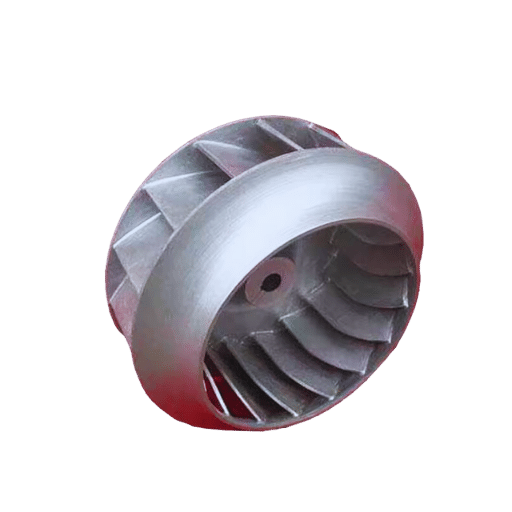
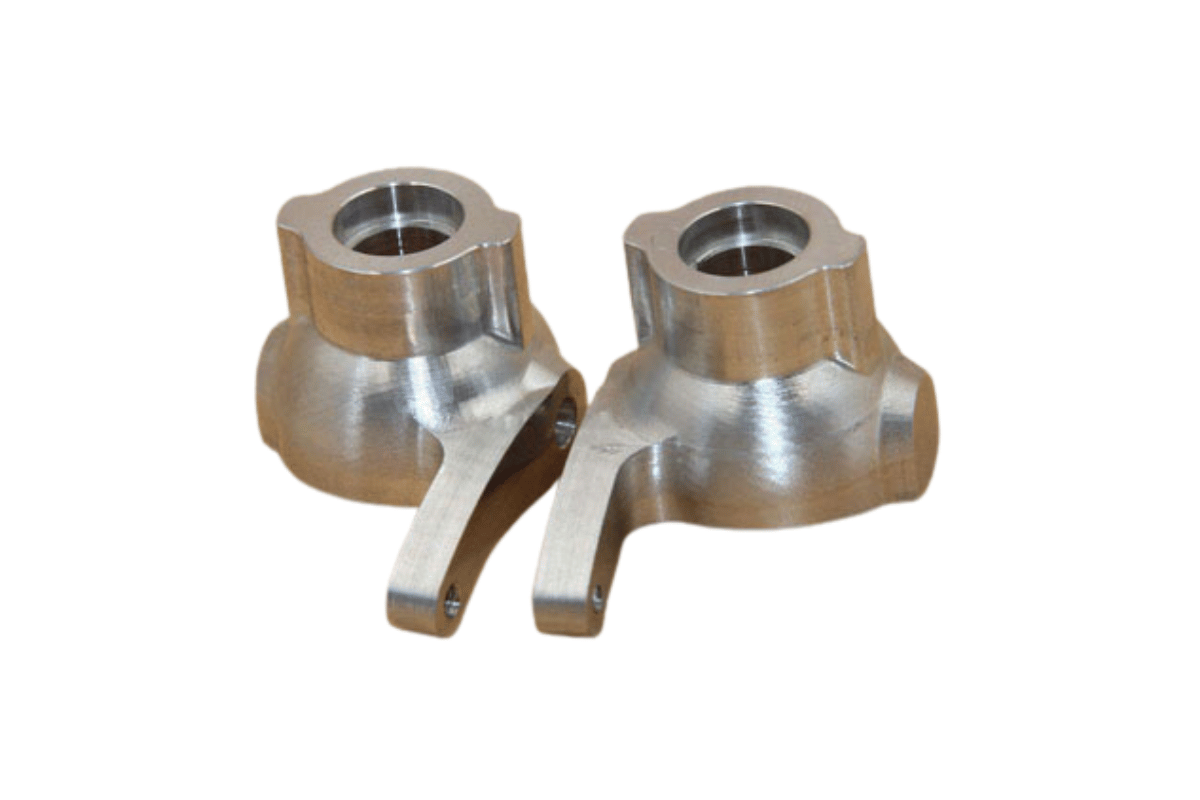
CNC Metal Machining Service refers to the precision manufacturing process where computer-controlled machines are used to shape metal parts by removing material through milling, turning, drilling, and other machining methods. This highly accurate process allows for the production of complex metal components with tight tolerances, making it ideal for industries such as aerospace, automotive, and medical devices. By using digital designs and automated systems, CNC machining ensures consistent quality, efficiency, and flexibility across both small-scale prototypes and large-scale production runs, providing a cost-effective solution for a wide range of metalworking needs.

CNC Metal Machining Service Video
CNC Metal Machining Service Detail Introduction
What is CNC Metal Machining?
CNC Metal Machining, or Computer Numerical Control Metal Machining, refers to the process of using computerized systems to control the movement and operation of machine tools to shape metal parts. The technology allows for precise control over various cutting and shaping tools, enabling the creation of intricate and highly accurate metal components. Pre-programmed software drives The machining process, translating digital designs into physical parts with extreme precision. According to industry expert John Hayes, "CNC machining has revolutionized manufacturing by enabling consistent quality, speed, and scalability in production."
Importance of CNC Machining in Modern Manufacturing
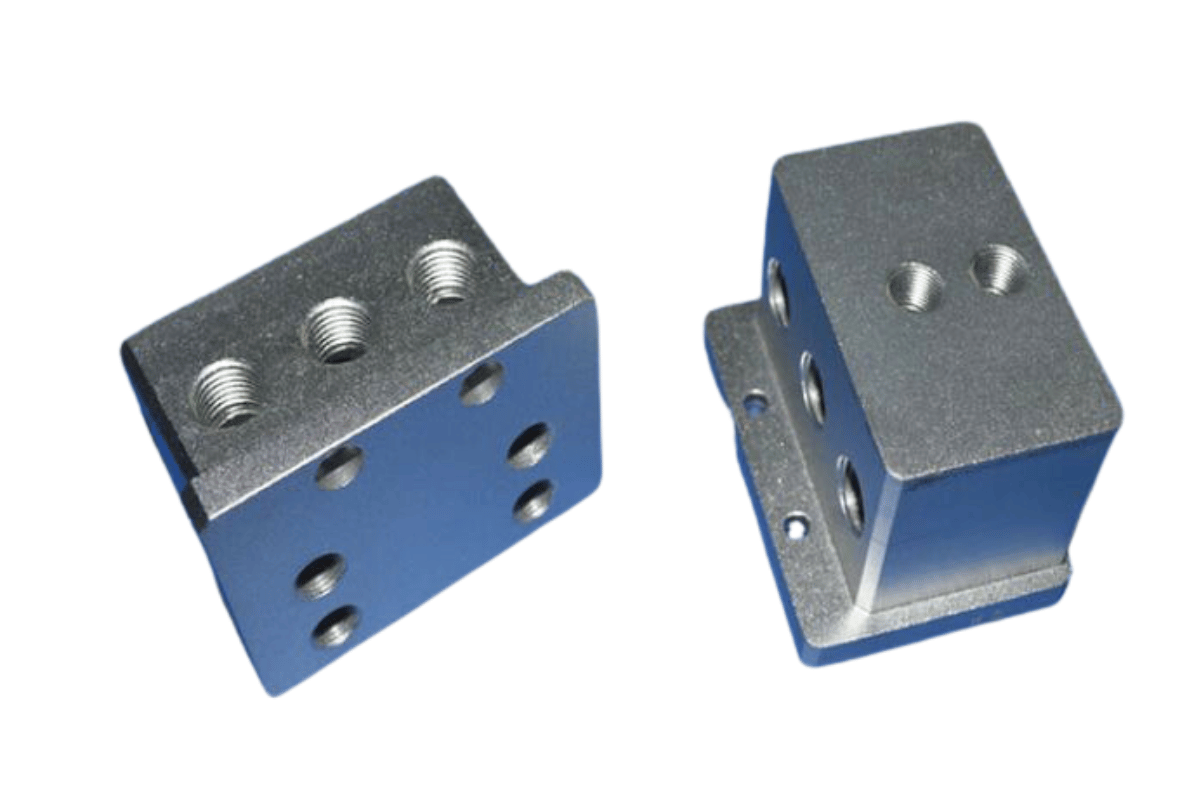
In today's manufacturing environment, CNC Metal Machining Service plays a pivotal role across various industries, including aerospace, automotive, and medical sectors. One of the key advantages is its ability to produce complex metal parts with high precision and repeatability, which manual machining cannot achieve. As technology evolves, the demand for advanced CNC metal machining continues to grow, pushing the boundaries of what's possible in terms of part complexity and manufacturing efficiency. CNC machining also reduces human error, increases production speed, and enhances product quality, making it an indispensable tool in modern manufacturing.
Overview of CNC Machining Capabilities for Metal
CNC machining is highly versatile when it comes to metalworking, capable of handling a wide range of metals, from soft materials like aluminum to harder metals such as titanium and stainless steel. With its ability to operate multiple axes simultaneously, CNC machining can create everything from simple metal parts to highly intricate designs. CNC Metal Machining Services offer cutting, drilling, milling, and turning, which can all be performed with extraordinary precision, allowing manufacturers to meet stringent industry standards. For example, in aerospace, CNC machining is critical for producing parts that must withstand high stress and extreme conditions.
The Process of CNC Metal Machining
At its core, CNC Metal Machining involves using computer-controlled machines to remove material from a metal workpiece to shape it into the desired form. The process begins with a CAD (Computer-Aided Design) file, which is translated into machine instructions through CAM (Computer-Aided Manufacturing) software. These instructions guide the CNC machine, dictating how the cutting tools should move to perform precise operations like milling, turning, drilling, and more. The machine operates in a highly automated fashion, following these commands to shape the metal according to the exact specifications in the design.
As CNC expert Robert Green puts it, "The real value of CNC machining lies in its ability to execute highly complex designs with minimal manual intervention, ensuring both precision and consistency across production runs." The automation also allows CNC machines to work continuously, improving efficiency and reducing the potential for human error.
Common Materials Used in CNC Metal Machining
CNC Metal Machining Services can work with a wide variety of metals, making it suitable for diverse industrial applications. Some of the most commonly used metals in CNC machining include:
- Aluminum: Known for its lightweight properties and excellent machinability, aluminum is widely used in the automotive and aerospace industries.
- Steel: Offering strength and durability, steel is a preferred choice for heavy-duty applications such as machinery and structural components.
- Titanium: Valued for its high strength-to-weight ratio and corrosion resistance, titanium is often used in medical devices and aerospace parts.
- Brass and Copper: These metals are used for electrical components due to their excellent conductivity and machinability.
The material selection depends largely on the end-use of the product, with each metal offering unique properties that are suited to specific applications.
Advantages of CNC Machining Over Traditional Machining
The advantages of CNC Metal Machining over traditional, manually operated machining processes are numerous. Key benefits include:
- Precision: CNC machines can achieve tolerances as tight as ±0.001 inches, making them ideal for projects that require extreme accuracy.
- Speed: The automation in CNC machining significantly reduces production time, allowing manufacturers to meet tight deadlines without sacrificing quality.
- Consistency: Once programmed, a CNC machine can produce identical parts over and over again with minimal variation, which is critical for large-scale production.
- Complexity: CNC machines are capable of executing complex designs and multiple machining operations in one setup, reducing the need for multiple machines or manual processes.
As manufacturing expert James Keller states, "CNC machining offers unparalleled control over the manufacturing process, providing the precision, speed, and flexibility that today's industries demand."
Key Benefits of CNC Metal Machining Service
One of the standout features of CNC Metal Machining Service is its remarkable precision and accuracy. CNC machines can execute intricate designs and deliver high-quality results with tolerances as tight as ±0.001 inches. This level of accuracy is crucial for industries such as aerospace, medical devices, and automotive, where even the smallest deviations can lead to part failure or reduced performance. Automated CNC systems eliminate the variability that comes with manual machining, ensuring consistent quality across large production runs. As manufacturing engineer Sarah Thompson points out, “CNC machining allows for repeatable precision, providing peace of mind for manufacturers needing exacting standards.”
Customization and Versatility of CNC Services
CNC Metal Machining also stands out for its versatility in handling various projects and materials. Whether you need simple metal parts or highly intricate designs, CNC services can meet those needs with customization options to suit specific project requirements. From prototyping to full-scale production, CNC machines can handle a wide range of materials, including aluminum, steel, titanium, and more. The ability to switch between different machining processes, such as milling, turning, and drilling, within one system makes CNC machining a flexible solution. This adaptability makes CNC Metal Machining Services indispensable across industries like consumer electronics, industrial machinery, and even custom artwork.
Cost-Effectiveness for Large-Scale Production
While initial setup costs for CNC Metal Machining can be high, it is ultimately a cost-effective solution for large-scale production. Once the machine is programmed and set up, it can operate autonomously, reducing labor costs and increasing production efficiency. Additionally, the reduction in errors and waste materials further contributes to cost savings. CNC machines also operate continuously with minimal downtime, further enhancing production throughput. According to industrial analyst Mark Reynolds, “The ability to produce parts in bulk with consistent quality makes CNC machining an economically sound choice for manufacturers, particularly in high-volume scenarios.”
Types of CNC Machines for Metal Machining
CNC milling machines are one of the most commonly used machines in CNC Metal Machining Services. These machines use rotary cutters to remove material from a metal workpiece, allowing manufacturers to create detailed parts with high precision. Milling machines can operate on various axes (3, 4, or 5-axis), enabling them to handle complex geometries that would be difficult or impossible with manual milling. CNC milling is particularly valuable for industries requiring detailed components, such as the aerospace and medical sectors. According to CNC specialist Paul Gardner, "CNC milling machines provide unmatched flexibility and precision, making them essential for cutting intricate designs."
CNC Lathes for Metal Turning
CNC lathes are primarily used for turning operations, where the workpiece rotates while a cutting tool shapes it. This method is ideal for creating symmetrical parts such as shafts, bolts, and threaded components. CNC lathes are highly automated and can produce parts with excellent surface finishes. Lathes are commonly used in automotive, plumbing, and industrial machinery industries. A significant advantage of CNC lathes is their speed and accuracy in producing cylindrical parts, making them a crucial element of CNC Metal Machining Services. CNC machining expert David King notes, “CNC lathes are indispensable for turning operations, especially when speed and precision are key.”
CNC Drilling Machines for Metal Fabrication
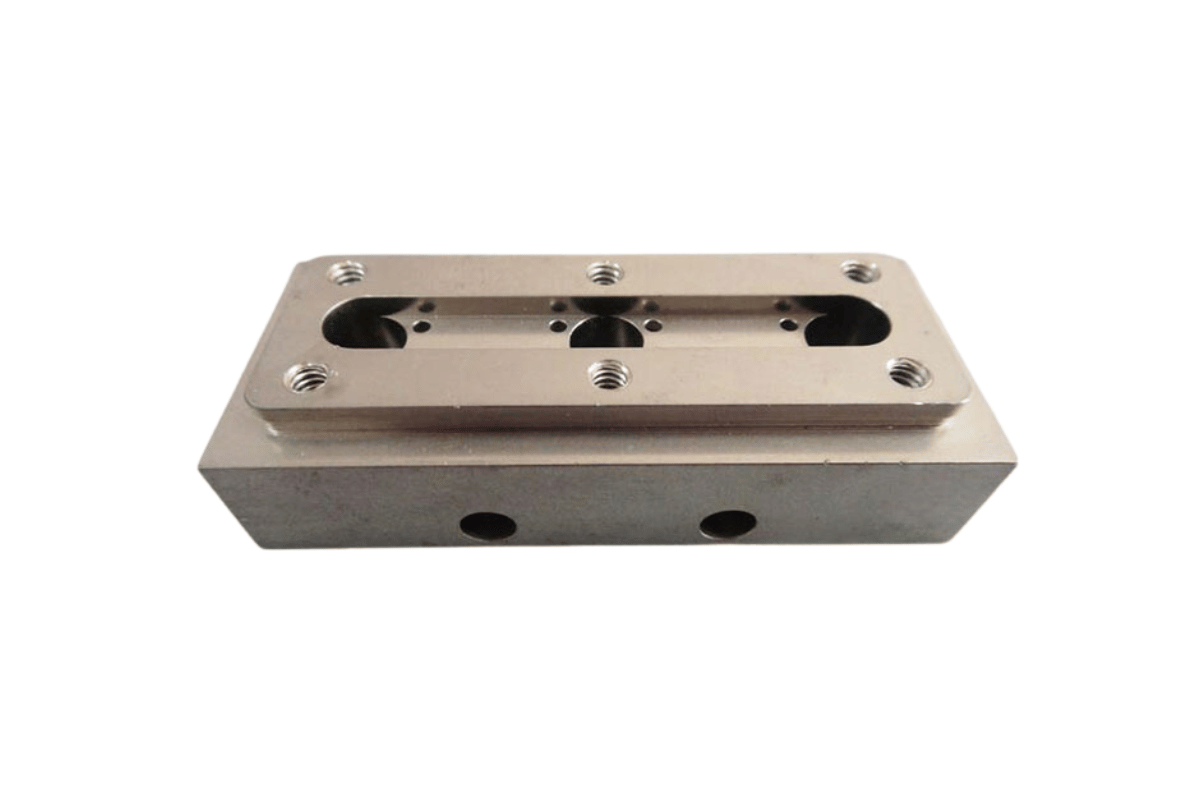
CNC drilling machines are designed to create precise holes in metal workpieces, a critical operation in the fabrication of parts like frames, enclosures, and connectors. Drilling machines in a CNC setup are capable of producing holes of varying sizes and depths with incredible accuracy. Multiple holes can be drilled in a single setup, which increases efficiency and reduces errors. These machines are used across numerous industries, including electronics, construction, and aerospace, where precision is essential. The automated nature of CNC drilling ensures consistent hole placement and size, improving the overall quality of the final product.
Industries That Rely on CNC Metal Machining Service
The aerospace industry is one of the primary sectors that heavily depends on CNC Metal Machining Services. The need for high-precision components that can withstand extreme conditions makes CNC machining an indispensable part of the aerospace manufacturing process. Components such as engine parts, landing gear, and structural elements must meet strict quality standards, and CNC machining ensures that these parts are produced with tight tolerances and exact specifications. CNC machining's ability to work with a wide range of materials, including lightweight metals like aluminum and titanium, further enhances its importance in aerospace. Aerospace engineer Thomas Briggs states, "CNC machining allows us to manufacture parts that are not only lightweight but also meet the rigorous safety and durability standards required for aviation."
Automotive Parts Manufacturing
In the automotive industry, CNC Metal Machining is widely used to manufacture parts such as engine blocks, transmission components, and brake systems. Precision and durability are crucial in automotive manufacturing, and CNC machining offers the high level of accuracy needed to ensure that each part functions properly under stress. Additionally, CNC machining enables faster production times and reduces waste, making it a cost-effective solution for mass production in the automotive sector. Whether for prototyping or full-scale production, CNC machines play a key role in shaping the future of automotive innovation.
Medical Device Production with CNC Machining
The medical device industry also benefits significantly from CNC Metal Machining Services, as precision and safety are of utmost importance when producing components such as surgical instruments, implants, and diagnostic equipment. CNC machines can produce intricate, small-scale parts with a high degree of accuracy, which is essential in the medical field where even minor deviations can affect the performance of a device. Metals like stainless steel and titanium are commonly used in medical CNC machining, providing durability and biocompatibility. Medical technology expert Dr. Emily Harper explains, "CNC machining enables the creation of life-saving medical devices with the precision needed to ensure patient safety and device reliability."
CNC Metal Machining Techniques Explained
At the heart of CNC Metal Machining Services is the principle of subtractive manufacturing, where material is removed from a metal workpiece to create the desired shape. Unlike additive manufacturing, which builds parts layer by layer, subtractive methods involve cutting, drilling, and milling away unwanted material. Subtractive manufacturing allows for exceptional precision and surface quality, making it ideal for producing high-tolerance metal parts. This technique is especially valuable for industries that require complex geometries and durable components. CNC expert Michael Reed notes, “Subtractive manufacturing remains the most reliable method for achieving tight tolerances and superior finish quality in metal parts.”
Understanding 3-Axis, 4-Axis, and 5-Axis Machining
One of the key differentiators in CNC Metal Machining is the number of axes a machine can operate on, which determines its ability to handle complex tasks.
- 3-Axis Machining: The most basic form of CNC machining, allowing movement in three directions (X, Y, and Z). Suitable for simple parts where detailed undercuts are not required.
- 4-Axis Machining: Adds a rotational movement around one axis, allowing more complex designs and machining of multiple sides without repositioning the part.
- 5-Axis Machining: The most advanced form, enabling movement along five axes simultaneously. This level of flexibility is essential for producing intricate parts that require access from multiple angles, such as turbine blades and medical implants.
CNC machines with additional axes offer greater versatility and efficiency, reducing the need for multiple setups and allowing for more intricate part geometries.
Surface Finishing and Polishing in CNC Machining
Once a part has been machined, CNC Metal Machining Services often include post-processing steps like surface finishing and polishing to ensure the final product meets quality standards. Surface finishing can include techniques like sandblasting, anodizing, and powder coating, which improve the appearance, durability, and corrosion resistance of metal parts. Polishing, on the other hand, is often required for medical devices or parts used in aerospace to achieve a smooth, reflective finish. These processes ensure that the machined parts not only function correctly but also meet the aesthetic and durability requirements of their intended applications.
CNC Metal Machining: Materials and Their Properties
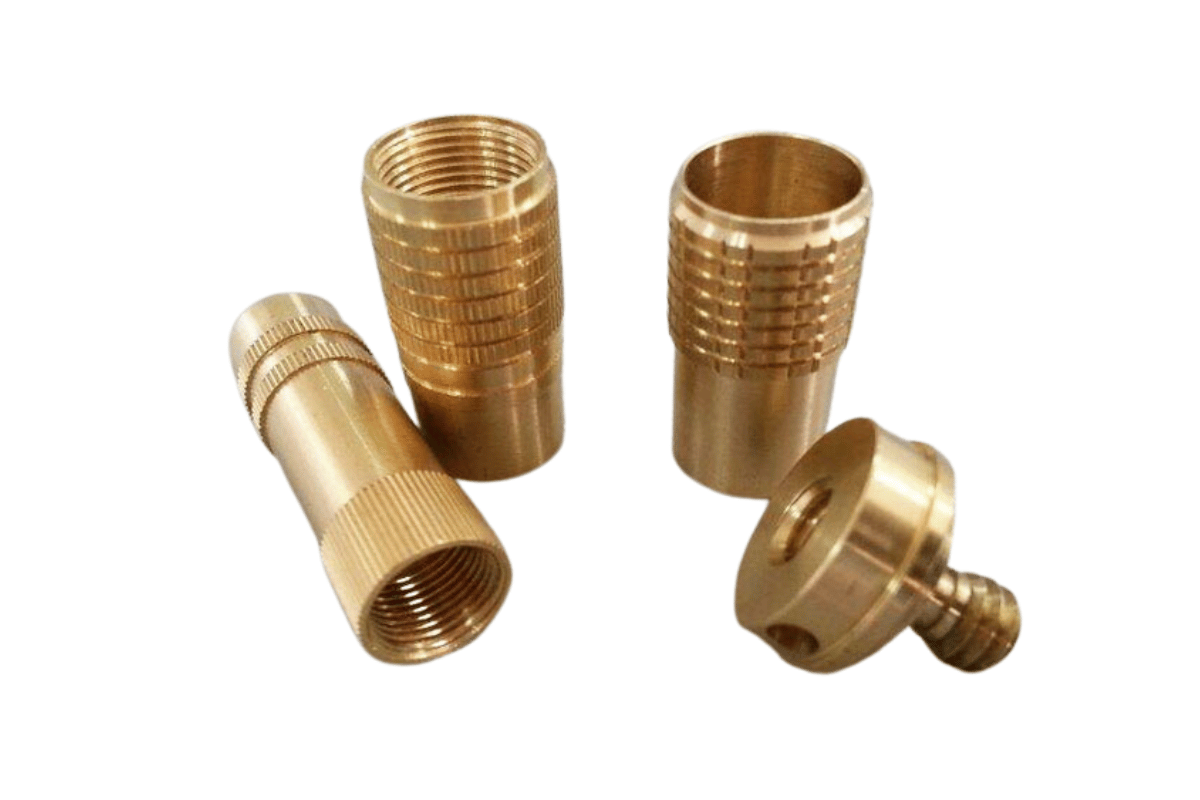
CNC Metal Machining Services work with various metals, each offering unique properties that make them suitable for specific applications.
- Aluminum: One of the most commonly used metals in CNC machining, aluminum is lightweight, corrosion-resistant, and easy to machine. It is often used in industries such as aerospace and automotive where weight and strength are key factors. Its excellent thermal conductivity also makes it ideal for heat-dissipating components.
- Steel: Known for its strength and durability, steel is a go-to material for heavy-duty applications. It comes in various grades, including stainless steel, which is highly resistant to corrosion and used in environments that demand both strength and longevity, such as construction and medical equipment.
- Brass: Brass is favored for its excellent machinability and electrical conductivity. It is often used in electrical components, plumbing fittings, and decorative parts due to its smooth finish and resistance to corrosion. CNC machining allows for precise and efficient production of brass components, minimizing material waste.
Special Alloys for CNC Machined Components
In addition to common metals like aluminum and steel, CNC Metal Machining can also handle special alloys designed for high-performance applications.
- Titanium: Lightweight yet incredibly strong, titanium is widely used in aerospace, medical, and military applications. Its resistance to corrosion and high strength-to-weight ratio make it ideal for parts that need to perform under extreme conditions.
- Inconel: This nickel-chromium-based superalloy is used in industries where high temperatures are a concern, such as jet engines and chemical processing plants. Inconel retains its strength at elevated temperatures, making it a critical material for heat-resistant components.
- Magnesium Alloys: Known for their low density, magnesium alloys are often used where weight reduction is crucial. Though more challenging to machine than aluminum, magnesium's light weight and strength make it a popular choice in the automotive and aerospace industries.
Selecting the Right Material for CNC Metal Machining
Choosing the right material for CNC Metal Machining depends on the specific requirements of the project, including mechanical properties, environmental resistance, and cost considerations. For example, aerospace components may require materials like titanium or Inconel due to their performance in high-stress environments, whereas simpler consumer products might benefit from aluminum for its ease of machining and cost-effectiveness.
As material engineer Dr. Laura Hughes explains, “Selecting the correct material is a crucial step in CNC machining, as it directly impacts the durability, functionality, and overall performance of the final product.”
CNC Metal Machining Tolerances and Accuracy
In CNC Metal Machining Services, tolerances refer to the allowable variation in the dimensions of a machined part. These tolerances ensure that parts fit together properly and function as intended in their final application. Tolerances are typically specified in millimeters or inches, depending on the project requirements. For example, aerospace components often require extremely tight tolerances due to safety and performance standards. Achieving precise tolerances is critical in industries like automotive and medical device manufacturing, where even the smallest dimensional errors can lead to malfunctions or reduced performance.
According to manufacturing engineer Alan Roberts, “Tolerances define the boundaries within which the part must be manufactured, ensuring the precision needed for high-performance applications.”
How to Achieve Tight Tolerances with CNC Machines?
CNC Metal Machining is renowned for its ability to achieve tight tolerances, often within ±0.001 inches, thanks to its high level of automation and precision. Achieving these tight tolerances requires several factors to be carefully controlled throughout the machining process:
- Machine Calibration: Regular calibration of the CNC machine ensures that it operates accurately. If the machine is out of calibration, even a small deviation can result in a part falling out of tolerance.
- Tool Quality and Maintenance: The sharpness and condition of the cutting tools directly impact the accuracy of the machining process. Worn tools can lead to poor surface finishes and parts that do not meet tolerance requirements.
- Material Properties: Different metals react differently to machining processes. Harder metals may require slower cutting speeds and more precise toolpaths to achieve the desired tolerances.
By meticulously controlling these variables, CNC machines can consistently produce parts with tight tolerances, reducing waste and ensuring that the final product meets design specifications.
Importance of Precision for Metal Parts
Precision in CNC Metal Machining Services is essential for ensuring the functionality and longevity of metal parts. For example, components in an engine or medical device must be produced to exact specifications to ensure they fit and work together seamlessly. Poor precision can lead to excessive wear, misalignment, and even catastrophic failure in high-stakes applications. CNC machines are designed to deliver the level of precision required for these critical applications, making them the preferred choice for manufacturing metal parts where accuracy is non-negotiable.
In the words of precision engineering expert Jennifer Lee, “Precision in CNC machining ensures that parts not only meet functional requirements but also contribute to the overall safety and efficiency of the system they are part of.”
Custom CNC Metal Machining Services
One of the most significant advantages of CNC Metal Machining Services is the high level of customization they offer. CNC machining can be tailored to meet specific project requirements, from the material used to the intricate details of the design. Whether producing a one-off prototype or a full-scale production run, CNC machines can be programmed to execute precise designs, allowing for flexibility in part geometry, size, and surface finish. Customization in CNC machining is particularly valuable for industries that require highly specialized parts, such as aerospace, automotive, and medical devices.
Additionally, custom CNC Metal Machining allows for adjustments in the machining process, including:
- Custom Tooling: Designing specific tools and fixtures for unique parts.
- Variable Speed Settings: Adjusting speeds and feeds based on material properties and desired surface finishes.
- Multiple Finishing Options: Adding custom post-processing steps, such as polishing, anodizing, or powder coating, to meet aesthetic or functional needs.
As product designer Laura Phillips emphasizes, “The ability to fully customize the machining process allows manufacturers to create parts that are not only functional but also aligned with the specific requirements of the end-user.”
Prototyping with CNC Metal Machining
CNC machining is widely used in prototyping due to its speed, precision, and ability to work with a variety of materials. During the prototyping phase, CNC Metal Machining Services can produce functional prototypes that closely match the final product, allowing for real-world testing and design adjustments before committing to large-scale production. CNC-machined prototypes offer high accuracy and are often used for testing in industries like aerospace, automotive, and consumer electronics, where precise performance data is essential for final design approval.
How to Work with CNC Machining Service Providers?
When partnering with a CNC Metal Machining Service provider, it's essential to communicate project requirements clearly to ensure the best possible outcome. Key factors to consider when working with a CNC provider include:
- Material Selection: Work with the provider to choose the most suitable material for your application, balancing performance, cost, and availability.
- Tolerance Specifications: Clearly define the tolerances required for your parts, as this will affect both the machining process and the cost.
- Design Files: Ensure that CAD files are accurate and optimized for CNC machining. Providing detailed drawings with clear dimensions, tolerances, and finishes will help the provider meet your expectations.
By maintaining clear communication and understanding the capabilities of the CNC provider, businesses can ensure that their custom parts are manufactured to exact specifications.
Cost Factors in CNC Metal Machining Services
The cost of CNC Metal Machining Services is influenced by various factors, from the complexity of the design to the materials used. Unlike other manufacturing processes, CNC machining typically involves higher upfront costs due to machine setup, programming, and tooling. However, it becomes more cost-effective in the long run, particularly for large production runs. The key components that contribute to the overall cost include machine time, labor, material, and post-processing requirements. Complex designs with intricate geometries or tight tolerances often require longer machining times, which increases costs.
CNC industry expert Mark Taylor explains, “While CNC machining may have a higher initial cost compared to traditional methods, the efficiency and precision it provides can significantly reduce production costs in large-scale manufacturing.”
Factors That Affect CNC Machining Prices
Several factors can influence the cost of CNC Metal Machining Services:
- Material Type: Different metals have varying costs. For example, aluminum is less expensive and easier to machine than titanium, which is more costly and time-consuming to work with due to its hardness.
- Part Complexity: The more intricate the design, the longer it takes to machine the part. Multi-axis machining operations, tight tolerances, or deep cavities increase both machine time and setup complexity, driving up costs.
- Production Volume: CNC machining offers economies of scale. Larger production volumes generally reduce the per-unit cost, making it more affordable for bulk orders.
- Finishing and Post-Processing: Additional operations like polishing, anodizing, or powder coating can add to the overall cost of CNC machining. These steps are often necessary for functional or aesthetic purposes but require extra labor and materials.
Tips for Reducing Costs in CNC Metal Machining
Although CNC Metal Machining Services can be costly, there are several ways to optimize costs without sacrificing quality:
- Simplify the Design: Reducing unnecessary complexity in part design can decrease machining time and costs. Avoiding deep cavities or overly intricate features will lower the overall cost.
- Choose Cost-Effective Materials: Opt for materials that are easier to machine, such as aluminum or steel, rather than expensive alloys like titanium, if the application allows.
- Increase Batch Sizes: If possible, order larger quantities to take advantage of the lower per-unit cost that comes with high-volume production.
As machining consultant Sarah Lewis advises, “Understanding your project requirements and working closely with your CNC provider to optimize design and materials can lead to significant cost savings while maintaining product quality.”
The Role of CAD/CAM in CNC Metal Machining
Computer-Aided Design (CAD) plays a crucial role in CNC Metal Machining Services, as it allows engineers and designers to create detailed digital models of parts before they are manufactured. CAD software provides an environment for designing complex geometries and refining product specifications, which can then be directly translated into machining instructions. With CAD, designers can ensure the part meets all functional requirements and tolerances before machining begins, reducing the likelihood of errors or material waste. The software also allows for easy modifications and iterations, enabling efficient prototyping and design optimization. As design engineer Kevin Brown states, “CAD software empowers us to visualize and refine intricate designs, ensuring that what we create digitally translates perfectly into the physical world.”
Integrating CAM Software for Precision Machining
Computer-Aided Manufacturing (CAM) software takes the digital model created in CAD and converts it into precise machine instructions (G-code) that the CNC machine will follow. CAM software defines toolpaths, cutting speeds, feed rates, and other machining parameters necessary to achieve the desired outcome. The integration between CAD and CAM allows for seamless communication between design and manufacturing, ensuring that the CNC machine follows the exact specifications of the model. This automation minimizes manual intervention and ensures higher precision in the final machined part. CAM software also optimizes tool usage, reducing tool wear and extending the lifespan of CNC equipment.
Streamlining the CNC Machining Process with Technology
The integration of CAD/CAM technology has revolutionized CNC Metal Machining Services by streamlining the entire manufacturing process. CAD/CAM software enables the creation of highly complex parts with minimal setup time, reducing production delays and human errors. Additionally, it allows for better visualization and simulation of the machining process, which helps in predicting and avoiding potential issues before they occur. This results in faster production cycles, improved accuracy, and reduced waste. Modern CAD/CAM systems are also capable of simulating different machining processes, which helps in refining toolpaths and optimizing machine performance, ultimately lowering production costs.
As manufacturing expert Lisa Thompson explains, “The integration of CAD/CAM in CNC machining is the key to achieving high precision and efficiency, allowing for seamless transition from design to production.”
CNC Metal Machining for Prototyping and Production
CNC Metal Machining Services are widely used for rapid prototyping due to their precision, speed, and ability to work with a wide variety of materials. In prototyping, the goal is to create a physical model of a design that can be tested for functionality, fit, and durability. CNC machining allows engineers to produce fully functional metal prototypes quickly, often in a matter of days, compared to traditional methods that may take weeks. This rapid turnaround time is crucial for industries like automotive and aerospace, where iterative testing and design improvements are critical.
Additionally, CNC machining ensures that the prototype closely matches the final product in terms of material and mechanical properties, enabling more accurate performance testing. According to product development expert Dr. Alex Grant, "CNC machining bridges the gap between design and production, allowing prototypes to be tested in real-world conditions before full-scale manufacturing."
Transitioning from Prototype to Production in CNC Machining
Once a prototype has been tested and validated, the transition to full-scale production using CNC Metal Machining is seamless. The same CNC setup used for prototyping can be scaled to accommodate higher volumes without the need for significant adjustments. This flexibility allows manufacturers to refine their designs during the prototyping phase and then quickly ramp up production once the design is finalized.
Because CNC machines are programmable and highly repeatable, they can produce identical parts in large quantities with minimal variation. This ensures consistency across all production runs, which is vital in industries like aerospace, where even the smallest discrepancies can compromise safety and performance.
Scaling Up Manufacturing with CNC Services
For high-volume manufacturing, CNC Metal Machining Services offer numerous advantages over other manufacturing methods. CNC machines are capable of working continuously with minimal downtime, making them highly efficient for large production runs. Additionally, the precision of CNC machining ensures that each part meets exact specifications, reducing the likelihood of defects and minimizing material waste.
In industries such as medical device manufacturing, where precision and reliability are paramount, CNC machining is ideal for both prototyping and mass production. It allows for scalability without sacrificing quality, ensuring that every part produced is up to standard, regardless of volume. CNC production expert Robert Mason notes, "CNC machining offers an unmatched balance of precision, speed, and scalability, making it a go-to solution for manufacturers looking to efficiently scale production while maintaining quality."
How to Choose the Right CNC Metal Machining Service Provider?
When selecting a CNC Metal Machining Service provider, several critical factors must be considered to ensure you partner with the right company for your needs. First, examine their capabilities—do they have the necessary machinery, expertise, and technology to handle the specific materials and complexity of your project? Providers should have a range of CNC machines, including 3-axis, 4-axis, and 5-axis options, to offer flexibility in design and production. Additionally, evaluate the company's experience in your industry. A CNC machining provider with expertise in aerospace, automotive, or medical sectors will have a deeper understanding of the stringent requirements in these fields.
Quality control is another vital aspect to consider. Ensure that the company has rigorous quality assurance processes in place, including inspection systems and certifications such as ISO 9001, to guarantee the precision and consistency of the machined parts. CNC industry veteran John Patterson states, "A top-tier CNC provider not only delivers precision parts but also adheres to strict quality standards that align with industry regulations."
CNC Metal Machining Service
Questions to Ask Before Hiring a CNC Machining Service
To make an informed decision, it is essential to ask potential CNC providers the right questions. Key inquiries include:
- What materials do you specialize in? Some providers may have expertise in machining specific metals, such as titanium or Inconel, which could be critical depending on your project's requirements.
- What tolerances can you achieve? Ensure the provider can meet the necessary tolerances for your project, especially if you're working in high-precision industries like aerospace or medical devices.
- What is your turnaround time? It's important to know how quickly the provider can deliver both prototypes and large production runs to align with your timelines.
- Do you offer post-processing services? Finishing services like polishing, anodizing, or heat treatment can save time and ensure that the final product meets all aesthetic and functional requirements.
- What quality control measures do you have in place? Understanding their inspection processes can give you confidence that your parts will meet the required standards.
Comparing Different CNC Metal Machining Providers
When comparing CNC Metal Machining Service providers, consider not only the cost but also the overall value they bring to your project. While price is important, the cheapest option may not always deliver the best quality or reliability. Look for providers with a proven track record of delivering high-quality parts on time and within budget. Read reviews, check case studies, and, if possible, visit their facilities to get a sense of their operational capabilities.
Reputation and customer service are also crucial. A CNC provider that offers transparent communication, regular updates, and post-production support can make a big difference in the success of your project. "Working with a reliable CNC partner can streamline production and reduce the risk of costly delays," notes manufacturing consultant Sarah Foster.
Common Challenges in CNC Metal Machining
One of the common challenges faced in CNC Metal Machining Services is dealing with materials that are difficult to machine due to their hardness. Metals like titanium, Inconel, and hardened steel can cause excessive tool wear, leading to higher costs and increased production time. To overcome these issues, CNC machinists often use specialized cutting tools made from durable materials such as carbide or diamond-tipped tools. Additionally, adjusting cutting speeds and feeds can help reduce heat generation, which is a major factor in tool wear. CNC expert Robert Harris explains, "When machining hard materials, careful consideration of tool selection and machine parameters is essential to maintain precision and prolong tool life."
Dealing with Tool Wear and Machining Errors
Tool wear is another significant issue in CNC Metal Machining, especially when working with high-strength materials or complex geometries that require multiple tool changes. Tool wear can lead to dimensional inaccuracies, poor surface finishes, and reduced part quality. To minimize this, regular tool maintenance and inspection are necessary. Some CNC machines are equipped with automatic tool changers and tool wear detection systems, which can help prevent errors and improve machining efficiency. Additionally, optimizing the toolpath and using high-quality cutting fluids can reduce friction and heat, thereby extending the life of the cutting tool.
Maintaining Precision in Complex Metal Parts
Achieving precision in CNC Metal Machining Services becomes more challenging when dealing with intricate or complex parts. Multi-axis CNC machines, such as 5-axis systems, are often required to machine parts with complex geometries, undercuts, or tight tolerances. However, even with advanced machinery, maintaining precision requires careful programming and machine calibration. Small errors in setup, calibration, or tool selection can lead to parts being out of tolerance. To mitigate these risks, manufacturers must employ highly skilled CNC programmers and operators who can troubleshoot potential issues and optimize the machining process.
"CNC machining of complex parts requires not only advanced machinery but also expertise in programming and quality control," notes manufacturing engineer James Clarkson.
CNC Metal Machining FAQs
What Is CNC Metal Machining and How Does It Work?
CNC Metal Machining is a manufacturing process that uses computer numerical control (CNC) to operate machine tools, allowing precise shaping and cutting of metal parts. The process starts with a digital design, usually created in CAD software, which is then translated into specific instructions (G-code) for the CNC machine to follow. The machine moves the cutting tools along multiple axes to remove material from the workpiece, resulting in highly accurate, complex metal parts. CNC machining is used in industries such as aerospace, automotive, and medical device manufacturing due to its precision and ability to handle intricate designs.
What Metals Can Be Machined Using CNC?
CNC machines can work with a wide range of metals, including:
- Aluminum: Lightweight and easy to machine, ideal for aerospace and automotive applications.
- Steel: Strong and durable, often used for structural components and machinery parts.
- Titanium: Lightweight and corrosion-resistant, used in aerospace, medical devices, and military applications.
- Brass and Copper: Known for excellent machinability and electrical conductivity, used in electrical components and plumbing.
- Special Alloys: Such as Inconel, which is used in high-temperature environments like jet engines.
How Long Does CNC Metal Machining Take?
The time required for CNC Metal Machining depends on several factors, including the complexity of the part, the material being used, and the quantity required. For a simple part, the process can take a few hours, while more complex parts or large production runs may take several days or weeks. Prototyping is usually faster, as CNC machines can quickly produce small batches for testing. However, precise finishing, such as polishing or coating, may add to the overall production time.
How Much Does CNC Metal Machining Cost?
The cost of CNC Metal Machining varies based on the complexity of the design, the material being used, and the number of parts required. Factors like machine setup time, tool wear, and finishing processes can also influence the price. Typically, small or simple parts are less expensive, while complex designs or special materials like titanium will increase the cost. Ordering in larger quantities can reduce the per-unit cost, as the setup and programming are spread across multiple parts.