



A Guide to Surface Finishes in Stainless Steel CNC Machining
Introduction to Stainless Steel CNC Machining
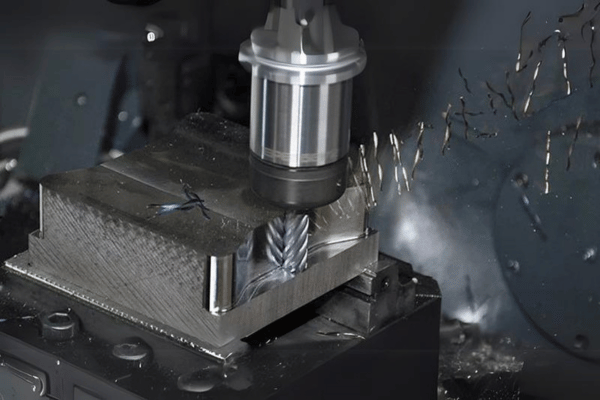
Stainless steel CNC machining plays a vital role in modern manufacturing, offering precise control over material removal processes to create complex and high-quality components. CNC machining, or Computer Numerical Control machining, allows for automation and precision, making it ideal for working with tough materials like stainless steel. This process involves various stages, from cutting to finishing, ensuring that each component meets specific design and performance requirements.
One of the most crucial aspects of stainless steel CNC machining is the attention given to surface finishes. Surface finishes not only affect the aesthetic appeal of the final product but also its functionality, performance, and longevity. In stainless steel machining, the right surface finish can significantly improve corrosion resistance, durability, and overall quality. The ability to achieve a smooth and uniform finish is especially critical in industries like aerospace, automotive, and medical, where stainless steel components are exposed to demanding conditions.
Surface finishes also play a role in reducing friction and wear, which is essential for components that are constantly in motion. A poorly finished surface can lead to premature failure, while a carefully selected and applied finish enhances the functionality of the part. In conclusion, surface finishes are integral to ensuring that stainless steel CNC machining delivers high-performance results that meet or exceed industry standards.
Types of Surface Finishes in Stainless Steel CNC Machining
When it comes to stainless steel CNC machining, selecting the appropriate surface finish is critical for both the performance and aesthetics of the final product. Each type of finish has its specific benefits and is suited for different applications. Here’s an overview of some of the most commonly used surface finishes in stainless steel CNC machining:
Polished Finish
A polished finish provides a smooth, reflective surface that is often used for components where appearance and cleanliness are crucial. In CNC machining, polishing is typically done after the machining process to remove imperfections and achieve a glossy appearance. This finish is commonly used in industries like medical, food processing, and high-end consumer products due to its easy-to-clean surface and enhanced corrosion resistance.
Matte Finish
A matte finish is non-reflective and offers a subdued appearance, which is often chosen for components where aesthetics are less critical but functionality remains important. Matte finishes are achieved by using fine abrasives or chemical treatments to dull the surface. This finish is excellent for parts that need to minimize light reflection or have a less conspicuous look, such as in industrial machinery or tools.
Brushed Finish
The brushed finish is characterized by fine lines running in one direction across the surface of the material. This type of finish provides a sleek, textured look and is frequently used in architectural and decorative applications. Stainless steel CNC machining can create this finish by using a brushing technique, which not only enhances visual appeal but also hides minor surface imperfections. The brushed finish also improves wear resistance by creating a texture that reduces surface contact.
Mirror Finish
A mirror finish is the highest level of polish, offering a highly reflective, smooth surface. This type of finish is often used for aesthetic purposes in applications like decorative panels or high-end appliances. In CNC machining, achieving a mirror finish requires extensive polishing and buffing after the machining process to eliminate any roughness. Components with a mirror finish have excellent corrosion resistance and are easy to clean, making them ideal for environments that require strict hygiene.
Each of these surface finishes has its advantages, depending on the specific requirements of the application. Whether the focus is on aesthetics, functionality, or performance, selecting the right finish can significantly enhance the effectiveness of stainless steel CNC machining projects.
Factors Influencing Surface Finishes in Stainless Steel CNC Machining
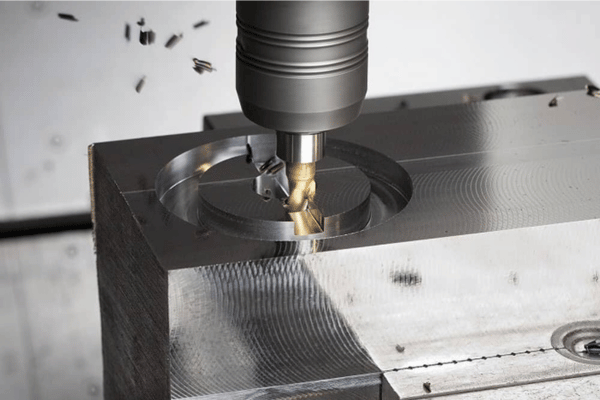
Achieving the desired surface finish in stainless steel CNC machining depends on a range of factors, from the inherent properties of the material to the machining techniques employed. Here’s a closer look at the key factors that impact surface finishes:
Material Properties of Stainless Steel
Stainless steel is known for its hardness, corrosion resistance, and strength, but these same properties can make it more challenging to machine compared to softer materials. The alloy composition of stainless steel affects how it reacts to machining processes, particularly in terms of how it resists wear and deformation. Different grades of stainless steel may require specific approaches to achieve a smooth and uniform surface finish. For example, harder stainless steel alloys might need slower cutting speeds and specialized tooling to avoid imperfections during machining.
Machining Techniques and Their Impact on Surface Finishes
The techniques used in CNC machining significantly influence the final surface finish. Processes such as milling, turning, and grinding each have their own effects on the surface quality. For example, milling is effective for removing large amounts of material but may leave tool marks that require further finishing. Turning can produce smoother finishes, especially when combined with high-quality cutting tools and optimal speeds and feeds. Fine-tuning these parameters is essential for achieving the desired finish, whether it be polished, matte, or brushed.
Role of Cutting Tools, Speeds, and Feeds
The choice of cutting tools and the settings for speeds and feeds play a crucial role in determining the surface finish in stainless steel CNC machining. High-quality carbide or diamond-tipped tools are often used for machining stainless steel due to its hardness. Using improper tools or cutting at the wrong speeds can lead to poor surface finishes, such as roughness or tool marks. Speeds that are too high may generate excessive heat, affecting the finish, while speeds that are too low can cause material build-up on the tool, resulting in rough or inconsistent surfaces.
Importance of Post-Machining Processes
Even after machining is complete, post-processing steps like polishing, buffing, or coating are often necessary to achieve the desired surface finish. Polishing is a common step that helps smooth out any imperfections left by the machining process, especially for high-end applications that require a reflective or mirror-like finish. Additionally, applying protective coatings can enhance the corrosion resistance and longevity of the component, further improving its surface quality and overall performance.
Understanding these factors is essential for achieving the optimal surface finish in stainless steel CNC machining. Each project may require a different approach based on the material, machining techniques, and the specific demands of the application.
Selecting the Right Surface Finish for Your Stainless Steel CNC Project
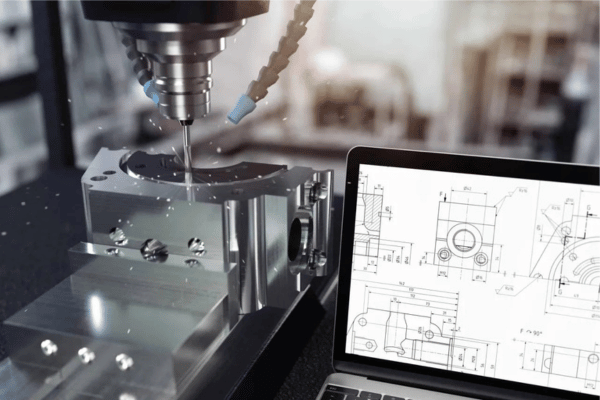
Choosing the appropriate surface finish for your stainless steel CNC machining project is crucial to ensure the component meets both functional and aesthetic requirements. Different projects have varying demands, so it’s essential to consider several factors when selecting the surface finish.
Considerations for Choosing the Best Surface Finish
The decision on which surface finish to apply largely depends on the specific needs of your project. For instance, in applications where hygiene and corrosion resistance are paramount, such as medical devices or food processing equipment, a polished or mirror finish is often preferred. These finishes are easy to clean and provide excellent protection against corrosion. On the other hand, for projects where appearance is less important, but durability is critical, a matte or brushed finish may suffice. These finishes can hide minor imperfections while still offering strong resistance to wear and tear.
Applications Requiring High-Quality Finishes vs. Functional Finishes
High-quality finishes are typically required for industries where aesthetics or product performance is prioritized. For example, stainless steel CNC components in luxury goods, architecture, or electronics often need a mirror finish for a visually striking, smooth surface. In contrast, industrial machinery parts may benefit more from a functional finish, such as brushed or matte finishes, which provide durability and conceal surface imperfections without focusing on appearance.
Cost and Time Considerations
Surface finishing processes can add to both the time and cost of a project. High-end finishes, like polished or mirror finishes, often require more time for post-machining polishing and buffing, which increases the overall cost. If the project is time-sensitive or has budget constraints, opting for a simpler finish like brushed or matte may be more practical. However, the choice must still align with the end-use of the product to avoid sacrificing functionality or durability.
By carefully assessing the project requirements and weighing the trade-offs between aesthetics, functionality, cost, and time, you can select the most suitable surface finish for your stainless steel CNC machining project.
Benefits of High-Quality Surface Finishes in Stainless Steel CNC Machining
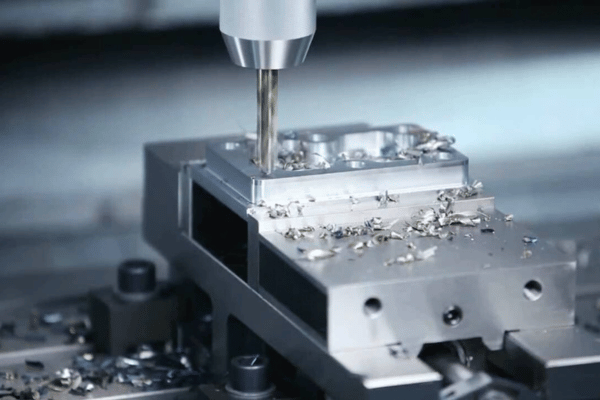
High-quality surface finishes in stainless steel CNC machining can provide numerous advantages that go beyond aesthetics. The right surface finish can significantly enhance the performance, longevity, and functionality of the final product, making it a critical aspect of the machining process.
Enhanced Aesthetics and Product Appeal
For industries that focus on the visual appeal of their products, such as luxury goods, electronics, and architecture, a polished or mirror-like surface finish can greatly enhance the product's appearance. A high-quality surface finish not only gives the product a sleek and professional look but also adds value by making it more attractive to end users. This is especially important for stainless steel components that are used in visible or decorative applications.
Improved Corrosion Resistance and Durability
A smooth and uniform surface finish, such as a polished finish, helps in minimizing surface irregularities where corrosion can begin. This is particularly beneficial in industries like marine, aerospace, or food processing, where stainless steel components are frequently exposed to harsh environments. A properly finished surface creates fewer opportunities for contaminants or moisture to penetrate the material, enhancing its corrosion resistance and overall durability.
Increased Wear Resistance and Functionality
Beyond aesthetics, high-quality finishes also contribute to the functional properties of a component. A brushed or matte finish can increase the wear resistance of a part by reducing friction and contact points, which is ideal for components that are subject to frequent movement or mechanical stress. Additionally, a well-applied surface finish can improve the overall functionality of the part by ensuring a smoother operation in moving assemblies, reducing wear and tear over time.
Overall Product Performance Improvement
The surface finish on stainless steel CNC machined components plays a significant role in the product's long-term performance. By selecting the right surface finish, manufacturers can improve not only the appearance and durability of the part but also its performance in specific applications. Whether it's enhancing corrosion resistance, reducing friction, or simply providing a visually appealing finish, a high-quality surface finish is an essential factor in maximizing the effectiveness of stainless steel CNC machining.
Challenges in Achieving the Desired Surface Finish
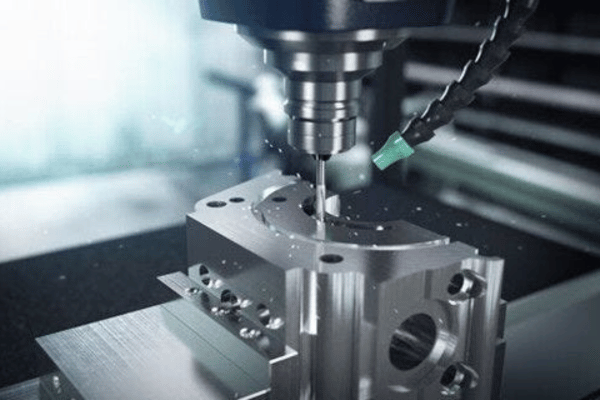
Achieving the perfect surface finish in stainless steel CNC machining can be challenging due to the material's properties and the precision required in the process. There are several common difficulties that arise, and understanding how to overcome them is key to producing high-quality components.
Common Difficulties in CNC Machining Stainless Steel
One of the primary challenges in stainless steel CNC machining is the hardness and toughness of the material. Stainless steel tends to work-harden during machining, making it more difficult to achieve a smooth finish without creating surface imperfections. Additionally, stainless steel has a high degree of heat retention, which can lead to tool wear and affect the surface quality. Achieving a fine surface finish may also be hindered by the material’s tendency to adhere to cutting tools, causing tool marks and rough surfaces.
How to Overcome Challenges in Achieving a Specific Finish
To overcome these challenges, machinists often need to optimize their CNC machining parameters. Using cutting tools specifically designed for stainless steel, such as carbide or diamond-tipped tools, can reduce tool wear and improve surface finishes. Proper cooling techniques, such as the use of high-quality lubricants, are also essential to dissipate heat and prevent the material from adhering to the tools. Fine-tuning the speeds, feeds, and depth of cut during machining is another important factor that helps minimize surface roughness and achieve the desired finish.
The Role of Precision in Maintaining Consistency Across Batches
Consistency is crucial, particularly in industries where components must meet strict specifications. Maintaining the desired surface finish across multiple batches of stainless steel parts can be difficult due to variations in material properties, tool wear, and machine settings. To ensure uniformity, regular calibration of the CNC machines and close monitoring of tool conditions are necessary. Additionally, post-machining processes like polishing or buffing can help ensure that all components in a batch achieve the same surface finish quality.
By addressing these challenges and using precise machining techniques, manufacturers can consistently produce stainless steel CNC machined components with the desired surface finishes, ensuring both functionality and aesthetic appeal.
Conclusion:
Surface finishes are a critical element in stainless steel CNC machining, impacting not only the aesthetics but also the functionality and durability of the final product. The right surface finish can enhance corrosion resistance, improve wear performance, and elevate the overall quality of the machined part. By understanding the different types of finishes and the factors that influence them, manufacturers can make informed decisions to achieve the best results for their specific applications.
To ensure optimal outcomes in stainless steel CNC machining, it's essential to consider material properties, machining techniques, and post-processing methods. By selecting the appropriate surface finish and employing precision machining, businesses can maximize the performance and lifespan of their components, meeting both functional and aesthetic requirements.