



CNC Milling Essentials: How to Achieve Perfect Finishes
Introduction to CNC Milling
CNC Milling is a pivotal process in modern manufacturing, allowing for precise material shaping through automated control. The term "CNC" stands for Computer Numerical Control, which refers to the use of computer systems to automate the movements of milling machines. This method has revolutionized manufacturing by enabling greater accuracy and repeatability in producing complex parts. From aerospace to automotive, CNC Milling plays an essential role in industries that require high precision and consistent quality.
At its core, CNC Milling involves using rotary cutters to remove material from a workpiece. This process is designed to achieve specific shapes, dimensions, and surface finishes. The machine follows a programmed path, cutting the material in multiple axes. The precision offered by this process ensures that manufacturers can produce intricate parts with minimal deviation. Moreover, CNC Milling enables mass production without sacrificing quality, making it invaluable in today’s fast-paced production environment.
Precision is key in CNC Milling. Achieving perfect finishes requires not only a well-programmed machine but also the right selection of cutting tools, materials, and processes. Even the smallest error in setup or tool choice can lead to imperfections in the final product. Thus, ensuring every aspect of the process is meticulously planned is crucial for achieving the desired outcomes.
Key Factors to Achieve Perfect Finishes
Achieving perfect finishes in CNC Milling requires careful consideration of several critical factors. One of the most important aspects is the selection of cutting tools and materials. The right tool can significantly affect the surface quality, cutting efficiency, and overall outcome. Different materials require specific cutting tools to ensure a smooth, clean finish. For instance, hard materials like steel may need carbide or diamond-coated tools, while softer materials like aluminum can be milled with standard steel tools. The wrong combination of tool and material can lead to poor finishes and increased wear on the tool.
Another crucial factor is machine calibration and setup. Proper calibration ensures that the cutting tool and workpiece align perfectly, reducing errors and ensuring consistent finishes. The setup process, which includes ensuring the workpiece is securely clamped and the tool path is optimized, directly impacts the quality of the finish. Even slight misalignments can result in chatter or surface imperfections, which compromise the overall quality of the final product.
The feed rate and cutting speed also play a significant role in determining surface texture. Feed rate refers to how fast the workpiece moves under the cutting tool, while cutting speed is the speed at which the tool rotates. Both must be optimized to prevent tool wear and ensure smooth surfaces. A slower feed rate with higher cutting speeds generally results in a finer finish, while faster feed rates might leave tool marks or rough surfaces. Striking the right balance is essential for achieving the desired finish in CNC Milling.
Advanced Techniques for CNC Milling Finishes
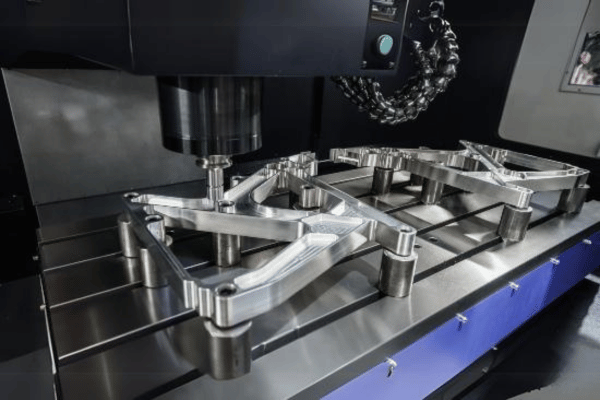
Advanced techniques in CNC Milling can greatly enhance the quality of surface finishes, particularly when dealing with complex or intricate parts. One of the most effective methods is using multi-axis CNC milling. While standard CNC machines typically operate on three axes (X, Y, and Z), multi-axis machines add rotational axes, enabling more flexibility in cutting. This allows for smoother transitions between surfaces, reducing the need for secondary finishing processes and achieving a more precise and refined finish, especially on complex geometries.
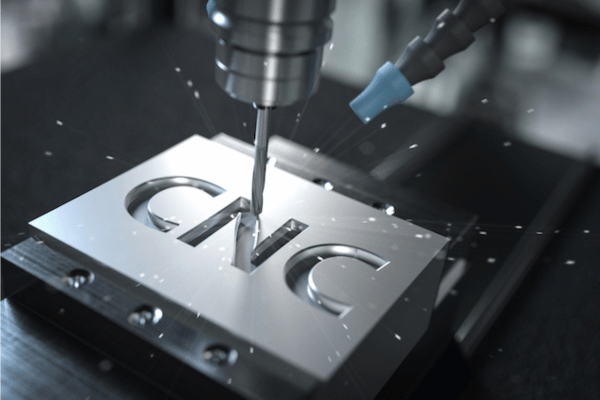
Another critical factor in improving surface quality is the use of coolant and lubrication during the milling process. Coolants help to reduce heat generation, which can cause tool wear and surface damage. By keeping the tool and workpiece cooler, coolants ensure better tool longevity and more consistent finishes. Lubrication, on the other hand, helps reduce friction between the cutting tool and the material, contributing to a smoother cut and a finer surface texture. Implementing the right type and quantity of coolant and lubrication is key to enhancing the quality of the final finish in CNC Milling.
Finally, after the milling process, post-machining processes such as polishing and buffing can further improve the surface finish. Polishing helps to remove any minor tool marks or imperfections left during the milling process, while buffing provides a final smooth and shiny appearance. These secondary operations are particularly useful when extremely high-quality finishes are required, such as in aerospace or medical applications.
Troubleshooting Common Issues in CNC Milling
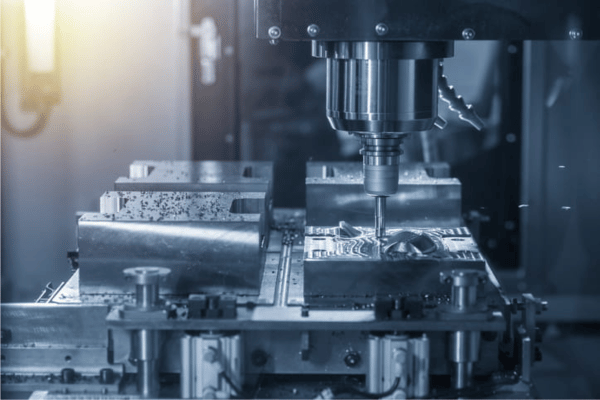
Even with the best tools and setup, issues can arise during CNC Milling that affect the quality of the surface finish. One of the most common problems is chatter and vibrations. Chatter occurs when the cutting tool vibrates during machining, leading to uneven surfaces and tool marks. To resolve this, operators can adjust the feed rate, cutting speed, or use more rigid tooling and workholding methods to stabilize the process. Additionally, ensuring the machine is properly maintained and calibrated helps reduce the occurrence of chatter.
Another frequent issue is the presence of tool marks, which can result from improper tool paths or worn-out tools. Regularly inspecting and replacing tools when necessary, as well as optimizing tool paths, can significantly reduce visible tool marks. Using the correct cutting strategy, such as a climb milling technique, can also help improve finish consistency across the workpiece.
Surface irregularities can also stem from machine errors, such as misalignment or inaccurate calibration. Checking the machine’s alignment and recalibrating it periodically ensures that the cutting tool follows the intended path precisely. In some cases, adjusting the machine’s backlash settings can minimize errors in movement, leading to more consistent and high-quality finishes in CNC Milling.
Conclusion: Best Practices for Perfect CNC Milling Finishes
Focusing on the critical factors is essential to achieving perfect finishes in CNC milling. From selecting the right cutting tools and materials to maintaining proper machine calibration and setup, each step of the process plays a crucial role in ensuring surface quality. Optimizing feed rate and cutting speed and using advanced techniques like multi-axis milling can further enhance the finish, especially for more complex projects.
Continuous improvement is key. Regular machine maintenance, tool inspection, and attention to detail during the machining process will help ensure consistent, high-quality results. By applying these best practices, manufacturers can achieve superior finishes, enhance production efficiency, and maintain competitiveness in the market.