



CNC Machining Service is a manufacturing process that utilizes advanced computer-controlled machines to produce highly precise and complex parts. CNC, or Computer Numerical Control, allows for automated control of tools like mills, lathes, and routers, ensuring parts are crafted with exceptional accuracy and consistency. This service is widely used across industries such as aerospace, automotive, medical, and electronics, where high-quality and intricate components are essential. Offering flexibility in material choice, including metals and plastics, CNC machining is ideal for both prototyping and mass production. The process reduces human error, shortens production times, and enables manufacturers to achieve tight tolerances, making it a critical technology for modern manufacturing.
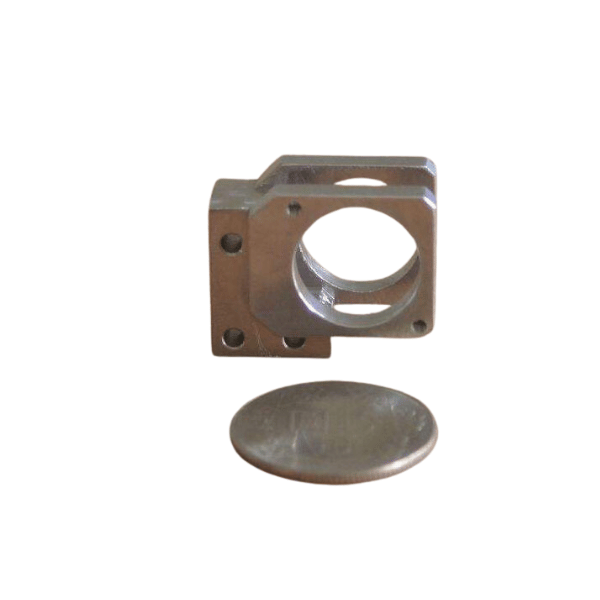
CNC Machining Service Recommend Products

CNC Machining Service Video
Download Brochure
CNC Machining Service Detail Introduction
CNC Machining Service is a manufacturing process that utilizes computer-controlled machines to produce precise parts and components from various materials, including metals, plastics, and composites. The term CNC stands for "Computer Numerical Control," which refers to a computer's automated control of machining tools. This technology allows for high accuracy, efficiency, and repeatability in producing complex parts.
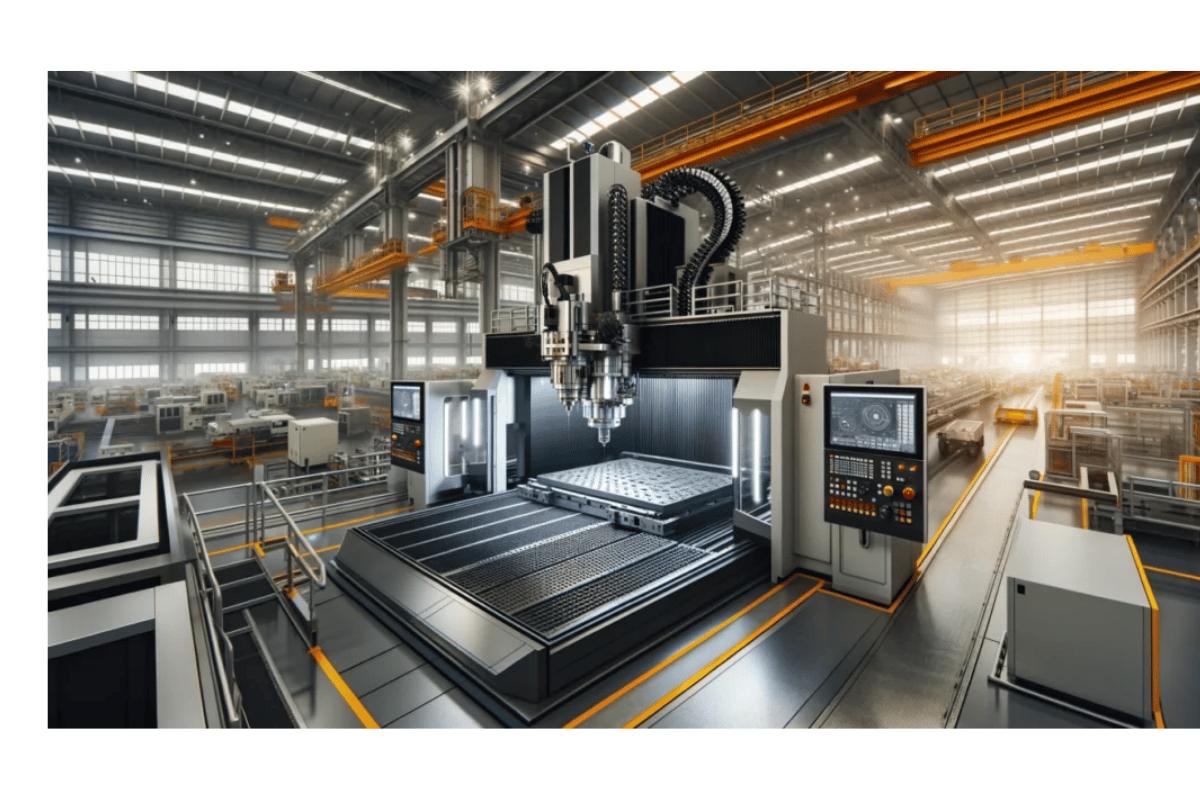
Definition and Overview of CNC Machining
CNC Machining is a versatile process used across many industries, including automotive, aerospace, and medical devices, to produce parts that require tight tolerances and intricate details. The process begins with a digital design, typically created using CAD (Computer-Aided Design) software. The design is then translated into a series of commands using CAM (Computer-Aided Manufacturing) software, which tells the CNC machine how to move and shape the material.
The machines used in CNC Machining Services can perform a variety of functions such as milling, turning, and drilling. They are capable of working with a wide range of materials, making them ideal for producing everything from prototypes to large-scale production runs. Unlike traditional machining methods, which rely heavily on manual labor and hand-operated machines, CNC machining is fully automated, ensuring greater consistency and precision.
Key Components of CNC Machines
A typical CNC machine consists of several key components that work together to produce parts with high accuracy:
- Machine Bed: The base of the CNC machine, which holds the workpiece in place.
- Spindle: The rotating component that holds the cutting tool.
- Tool Changer: A mechanism that allows the CNC machine to switch between different tools automatically.
- Control Panel: The interface where the operator inputs commands or loads programs.
- Cutting Tools: These vary depending on the operation (e.g., end mills for milling, drills for drilling).
How CNC Machining Differs from Traditional Machining?
CNC Machining differs from traditional machining in several key ways:
- Automation: CNC machines are automated, reducing the need for manual intervention and human error.
- Precision: CNC machines can achieve extremely tight tolerances, often within a few microns, which is difficult to achieve with traditional methods.
- Flexibility: CNC machines can easily switch between different tasks and designs, whereas traditional machining requires significant retooling for new projects.
In conclusion, CNC Machining Service plays a critical role in modern manufacturing, providing precision, efficiency, and versatility. It is widely regarded as the superior method for producing complex parts in a range of industries.
The History and Evolution of CNC Machining
CNC Machining Service has come a long way from its origins, evolving from basic mechanical operations into an advanced, computer-driven process that has transformed manufacturing. Understanding the history of CNC technology provides valuable insight into its current capabilities and future potential.
Origins of CNC Technology
The concept of CNC machining traces its roots back to the late 1940s and early 1950s, during the post-World War II period. The first machines were manually operated and relied heavily on skilled machinists to craft parts. However, there was a growing need for greater precision and efficiency in manufacturing. This led to the development of the Numerical Control (NC) system by John T. Parsons, who worked on a machine that could automate part production by feeding it punched cards containing instructions for machine movements.
In 1952, the Massachusetts Institute of Technology (MIT) refined this technology by creating a prototype machine that utilized computer instructions rather than punched cards. This development marked the birth of Computer Numerical Control (CNC) technology, which allowed for more complex operations and significantly reduced the potential for human error.
Major Milestones in CNC Machining Development
Several key milestones have shaped the evolution of CNC machining services:
1960s – Introduction of CAD/CAM Software: The integration of CAD (Computer-Aided Design) and CAM (Computer-Aided Manufacturing) software allowed machinists to design parts digitally and feed these designs directly into CNC machines. This eliminated the need for manual programming and increased efficiency.
1980s – Proliferation of Personal Computers (PCs): The widespread adoption of PCs made CNC technology more accessible. Machines could now be operated using affordable computers, allowing smaller manufacturers to benefit from CNC machining services.
1990s – Multi-Axis Machining: The development of multi-axis CNC machines (such as 3-axis and 5-axis machines) revolutionized manufacturing by allowing more intricate parts to be created with fewer setups. This increased production speed and precision for complex components.
2000s – Automation and Robotics: The incorporation of automation and robotics into CNC machining allowed for 24/7 operations, further improving efficiency. Robots can now load and unload materials, making the entire process more streamlined.
Modern Advances in CNC Machining
Today's CNC machining services are more advanced than ever, offering remarkable speed, precision, and automation. Some modern innovations include:
- Additive Manufacturing (3D Printing): CNC machines now work alongside 3D printers, allowing manufacturers to produce both subtractive (machined) and additive (printed) parts, improving versatility.
- Internet of Things (IoT) Integration: IoT-enabled CNC machines can communicate with other devices and systems, allowing for real-time monitoring, predictive maintenance, and improved decision-making in manufacturing processes.
- Artificial Intelligence (AI) and Machine Learning: These technologies are being used to optimize CNC operations, reduce waste, and enhance overall production quality.
In conclusion, the evolution of CNC machining services from simple, manually-operated machines to sophisticated, automated systems has transformed modern manufacturing. Today, CNC technology is at the forefront of industrial advancements, driving precision and efficiency in multiple sectors.
How CNC Machining Service Works?
CNC Machining Service is a precise and highly efficient manufacturing process that leverages automated control systems to produce complex parts. By understanding how the process works, businesses and manufacturers can better appreciate its role in modern production.
The CNC Machining Process Explained
At its core, CNC Machining involves controlling machines through computer instructions to manipulate raw materials, such as metals or plastics, into desired shapes. The steps involved in the process include:
Designing the Part (CAD): The process begins with a digital design, created using Computer-Aided Design (CAD) software. This design outlines the exact specifications, dimensions, and geometry of the part to be machined.
Converting the Design into Machining Instructions (CAM): The CAD design is then converted into machine-readable code using Computer-Aided Manufacturing (CAM) software. This code, typically in the form of G-code, contains detailed instructions that guide the CNC machine’s movements.
Setting Up the CNC Machine: The raw material, often referred to as the workpiece, is secured in the CNC machine, and the appropriate cutting tools are selected based on the design requirements.
Executing the Machining Operations: Once set up, the CNC machine executes the programmed instructions to cut, drill, or shape the material. The machine moves along various axes, guided by the G-code, to achieve precise cuts.
Quality Control and Finishing: After the part is machined, it undergoes inspection to ensure it meets the required tolerances. Depending on the part, additional finishing processes like polishing or painting may be applied.
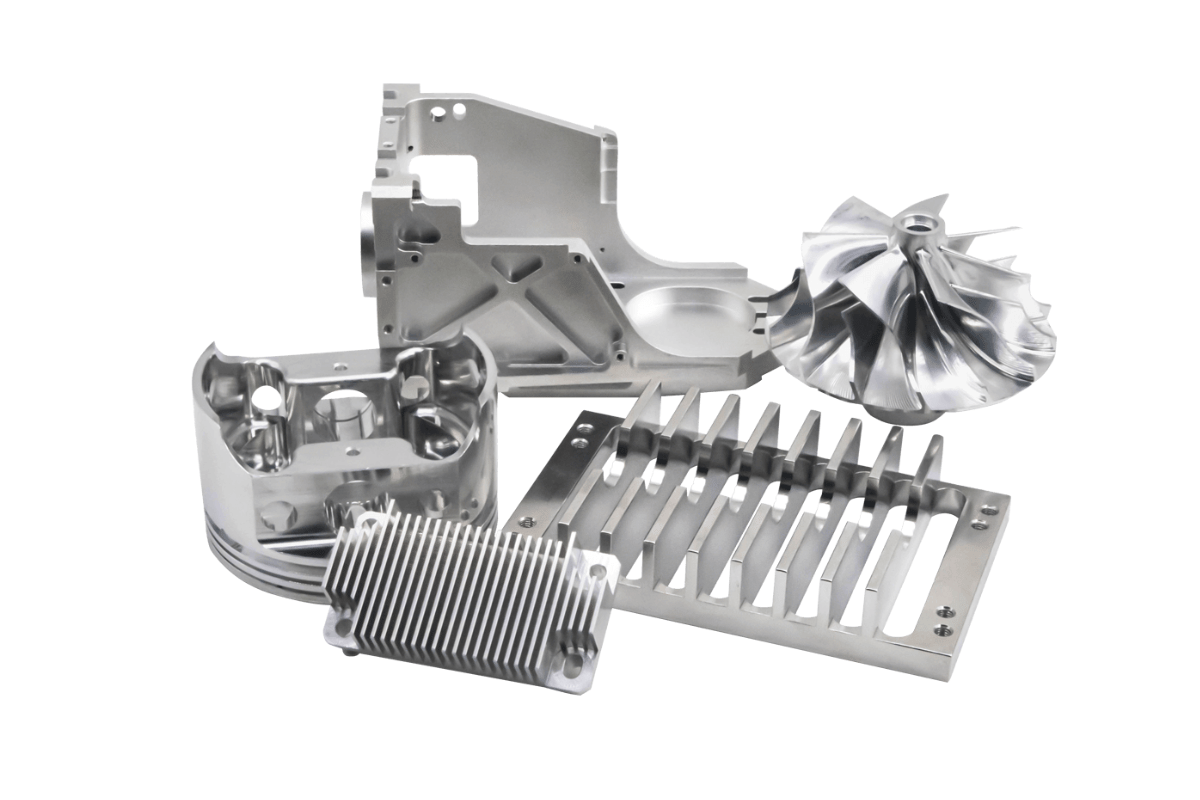
Role of CAD/CAM Software in CNC Machining
Both CAD and CAM software are essential for the CNC Machining Service. CAD allows engineers to create detailed designs, while CAM translates these designs into actionable instructions for the machine. Together, they automate the production process, making it faster and more accurate than manual methods.
Key benefits of CAD/CAM in CNC Machining include:
- Precision: Designs can be created with intricate detail and exact dimensions, ensuring high accuracy in the final product.
- Efficiency: The automation of the design-to-production process minimizes human error and allows for quicker production cycles.
- Flexibility: CAD/CAM software can handle a variety of designs, from simple shapes to highly complex geometries, making it ideal for custom projects.
Common CNC Operations: Milling, Turning, Drilling
CNC machining can perform various types of operations, with the most common being:
Milling: In this operation, a rotating cutting tool removes material from the workpiece, shaping it into the desired form. CNC mills can move along multiple axes, allowing for complex part geometries.
Turning: In CNC turning, the workpiece is rotated while a cutting tool removes material. This is ideal for producing cylindrical parts, such as shafts and rods.
Drilling: Drilling involves creating precise holes in the workpiece. CNC drilling machines can control the depth, diameter, and location of the holes with extreme accuracy.
In conclusion, CNC Machining Service involves a well-coordinated process that integrates design, software, and automated machinery to create parts with exceptional precision and consistency. The use of CAD/CAM software and common operations like milling, turning, and drilling ensure that parts are produced efficiently and meet high standards of quality.
Types of CNC Machines Used in CNC Machining Services
CNC Machining Service utilizes various types of CNC machines, each designed to handle specific tasks and materials. Choosing the right machine is crucial to achieving the precision, speed, and complexity required for a given project. Below is an overview of the most commonly used CNC machines.
3-Axis vs. 5-Axis CNC Machines
One of the primary distinctions between CNC machines is the number of axes they operate on, which directly impacts their flexibility and capability.
3-Axis CNC Machines: These are the most basic type of CNC machines, operating on the X, Y, and Z axes. They are ideal for simpler projects that require machining in one plane at a time, such as cutting and drilling. While these machines are less complex than their multi-axis counterparts, they are still highly effective for tasks like milling flat surfaces or creating simple components.
5-Axis CNC Machines: These machines can move the cutting tool or workpiece in five different directions simultaneously (X, Y, Z, and two rotational axes). This increased flexibility allows for the creation of complex geometries with fewer setups. 5-Axis CNC machines are particularly useful for industries like aerospace, where precision and intricate part designs are crucial.
The advantage of 5-axis machining lies in its ability to produce more complex parts in less time, reducing the need for multiple setups and manual adjustments. This results in better precision and efficiency for high-end projects.
CNC Lathes, Mills, and Routers
Different types of CNC machines serve specific purposes, with lathes, mills, and routers being among the most commonly used in CNC machining services.
CNC Lathes: These machines are primarily used for turning operations. In a CNC lathe, the workpiece rotates while a stationary cutting tool removes material to create cylindrical parts. CNC lathes are ideal for producing components like shafts, bushings, and threaded parts.
CNC Mills: CNC milling machines use rotating cutting tools to remove material from a stationary workpiece. These machines are highly versatile and can handle a wide range of operations, including drilling, slotting, and contouring. CNC mills can be used to create both simple and complex parts with high precision.
CNC Routers: CNC routers are similar to milling machines but are typically used for cutting softer materials like wood, plastics, and foam. They are often employed in industries like cabinetry, sign-making, and furniture production. CNC routers are known for their speed and ability to cut intricate designs into large sheets of material.
Specialized CNC Machines for Complex Tasks
In addition to the more commonly used CNC lathes, mills, and routers, there are several specialized CNC machines designed for more complex tasks:
CNC EDM (Electrical Discharge Machining): This process uses electrical discharges to shape hard materials, such as metals that are difficult to machine using traditional cutting tools. CNC EDM is commonly used in mold-making and the creation of intricate components like dies and stamps.
CNC Plasma Cutters: These machines use a high-powered plasma torch to cut through conductive materials, such as steel or aluminum. Plasma cutters are often used in industries like automotive and construction, where quick, precise cuts in metal are necessary.
CNC Waterjet Cutters: Using a high-pressure stream of water mixed with an abrasive material, CNC waterjet cutters can cut through almost any material, including metal, stone, and glass. This method is particularly useful for materials that would be damaged by heat, such as composites or laminated materials.
In conclusion, CNC Machining Services offer a wide range of machines tailored to specific tasks, from 3-axis and 5-axis machines to specialized machines like EDM and waterjet cutters. Selecting the appropriate machine depends on the complexity of the part, the material being used, and the desired precision, ensuring that each project is executed with accuracy and efficiency.
Key Benefits of CNC Machining Services
CNC Machining Service offers numerous advantages over traditional manufacturing methods, particularly when precision, efficiency, and customization are crucial. Below, we explore the key benefits that make CNC machining an essential part of modern manufacturing.
Precision and Accuracy in Manufacturing
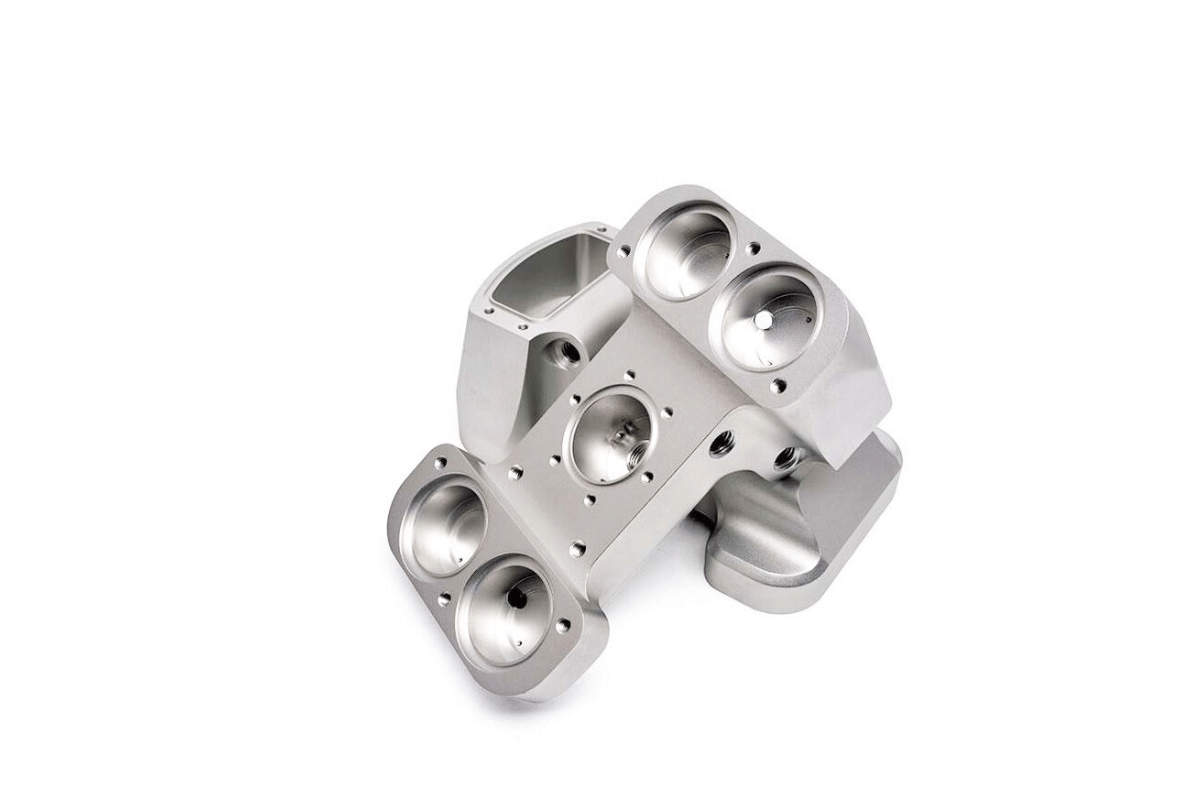
One of the most significant advantages of CNC Machining Services is the unparalleled precision they provide. CNC machines are capable of producing parts with extremely tight tolerances, often within a few microns. This high level of accuracy ensures that components are manufactured to exact specifications, which is particularly important in industries such as aerospace, medical devices, and automotive manufacturing.
Additionally, the automated nature of CNC machining means that once a design is programmed into the machine, it can produce hundreds or thousands of identical parts with little to no variation. This repeatability ensures consistency across large production runs, reducing errors and waste.
Flexibility and Customization of Designs
CNC Machining Services are incredibly flexible, allowing for the creation of highly customized designs. Because the machining process is driven by computer software, it is easy to switch between different designs or make adjustments to an existing design without needing significant retooling.
This flexibility is especially beneficial for industries that require rapid prototyping or the ability to quickly transition from prototype to full production. Whether producing small, intricate parts or large components, CNC machines can handle a wide variety of tasks, providing manufacturers with greater versatility in their operations.
Efficiency and Speed for High-Volume Production
CNC Machining Services are known for their speed and efficiency, particularly in high-volume production environments. Once the machine is set up and the design programmed, the manufacturing process is automated, allowing for continuous operation with minimal human intervention.
This results in faster production times compared to traditional methods, where manual adjustments and setup are required for each new part. Additionally, CNC machines can work around the clock, further increasing output and reducing lead times for large-scale production.
Moreover, CNC machining minimizes material waste, as the cutting paths and tool movements are precisely controlled, ensuring that only the necessary amount of material is removed from the workpiece. This makes the process both cost-effective and environmentally friendly.
In conclusion, the key benefits of CNC Machining Services—including precision, customization, and efficiency—make it an ideal solution for industries that require high-quality, repeatable, and flexible manufacturing. Whether for prototyping, custom parts, or mass production, CNC machining delivers significant value to manufacturers looking to streamline their processes while maintaining high standards of quality.
Materials Used in CNC Machining Services
CNC Machining Service is known for its versatility in working with a wide range of materials, each offering unique properties that make them suitable for different applications. The choice of material significantly affects the performance, durability, and cost of the final product. Below, we explore some of the most commonly used materials in CNC machining and how to select the right one for your project.
Common Metals: Aluminum, Steel, Titanium
Metals are frequently used in CNC Machining Services because of their strength, durability, and versatility. The three most commonly machined metals are aluminum, steel, and titanium.
Aluminum: Widely regarded for its lightweight nature and excellent machinability, aluminum is one of the most commonly used metals in CNC machining. It offers high corrosion resistance, making it ideal for industries such as aerospace, automotive, and electronics. Additionally, aluminum’s malleability allows for faster machining times, reducing production costs.
Steel: Steel is another popular choice in CNC machining, particularly for projects requiring strength and durability. It comes in a variety of grades, each suited for specific applications. For example, carbon steel is known for its hardness, while stainless steel offers superior corrosion resistance. Steel is often used in industries like construction, automotive, and medical device manufacturing.
Titanium: Known for its high strength-to-weight ratio and excellent resistance to corrosion and extreme temperatures, titanium is often used in demanding applications, such as aerospace components, medical implants, and high-performance automotive parts. Although titanium is more difficult to machine than aluminum or steel, its unique properties make it ideal for high-end manufacturing.
Plastics and Other Non-Metal Materials in CNC Machining
While metals are commonly used, CNC Machining Services also accommodate a range of plastics and non-metal materials. These materials are often chosen for applications where weight, flexibility, or electrical insulation is critical.
ABS (Acrylonitrile Butadiene Styrene): ABS is a durable plastic with good impact resistance, making it an excellent choice for consumer electronics, automotive parts, and prototypes. Its machinability and affordability also make it a popular option in CNC machining.
POM (Polyoxymethylene or Acetal): Often used in precision parts, POM is a thermoplastic known for its low friction, excellent dimensional stability, and wear resistance. It’s commonly used in applications like gears, bearings, and other mechanical components.
Nylon: Nylon is another versatile plastic material used in CNC machining. Its high tensile strength and resistance to abrasion make it ideal for parts like bushings, washers, and screws, commonly used in machinery and consumer products.
Composites and Ceramics: In some specialized applications, composite materials like carbon fiber or ceramics are used in CNC machining. These materials offer high strength and low weight, but they can be more difficult to machine due to their brittleness.
Choosing the Right Material for CNC Machining Projects
Selecting the right material for your CNC machining project depends on several factors, including:
- Strength and Durability: For applications that require high strength and durability, metals like steel or titanium are often the best choices.
- Weight Considerations: If weight is a concern, lighter materials like aluminum or plastic may be more suitable.
- Corrosion Resistance: For projects exposed to harsh environments or moisture, materials like stainless steel or aluminum provide excellent corrosion resistance.
- Cost: Material cost is another critical factor. Metals like titanium are more expensive, while plastics like ABS and nylon are more affordable.
- Machinability: Some materials are easier to machine than others. For example, aluminum is easier to machine than titanium, reducing production time and costs.
In conclusion, CNC Machining Services can work with a wide variety of materials, each offering different benefits depending on the application. Whether you need the strength of steel, the lightness of aluminum, or the flexibility of plastic, the right material choice ensures your project meets its performance, durability, and cost requirements.
Industries That Rely on CNC Machining Services
CNC Machining Services are utilized across a broad range of industries due to their precision, versatility, and ability to produce high-quality parts. Below are some of the key industries that heavily rely on CNC machining for their manufacturing needs.
Aerospace: High-Precision Components
The aerospace industry is one of the largest consumers of CNC machining services, primarily because it demands high precision, tight tolerances, and complex geometries. Parts such as engine components, airframe structures, and turbine blades require extreme accuracy to ensure the safety and performance of aircraft. Materials like titanium, aluminum, and specialized alloys are often machined for aerospace applications, as these materials must withstand extreme temperatures and stresses.
CNC machining enables manufacturers to produce lightweight and durable parts that meet the stringent standards of the aerospace industry. The ability of 5-axis CNC machines to work with intricate designs ensures that even the most complex components can be manufactured with high precision.
Automotive: Custom Engine Parts
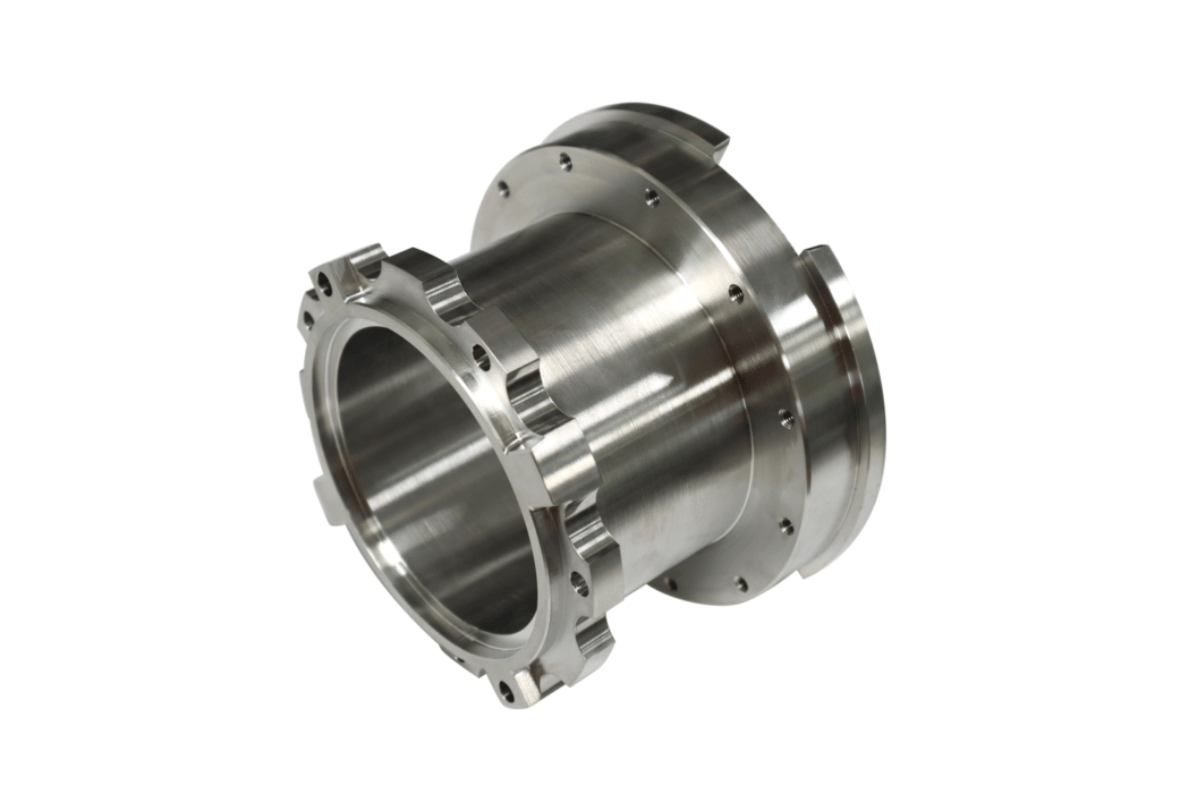
In the automotive industry, CNC machining services are essential for producing custom engine parts, transmission components, and body parts. The precision and speed offered by CNC machines allow for the mass production of car parts with consistent quality and reliability.
CNC machining is particularly important for producing high-performance components in vehicles, such as custom pistons, valve bodies, and gearboxes. These parts require tight tolerances to function correctly and efficiently within an engine. CNC machining is also used in the development of prototypes and testing parts for new vehicle designs, allowing manufacturers to iterate quickly before full-scale production.
Medical Devices: Surgical Tools and Implants
The medical industry relies on CNC machining to manufacture high-precision surgical tools, implants, and medical devices. These components often need to meet strict regulatory standards for hygiene and biocompatibility, which makes the precision of CNC machining critical.
Materials such as titanium, stainless steel, and biocompatible plastics are frequently used to manufacture medical devices, including hip implants, bone screws, and dental implants. CNC machining ensures that these parts meet the exact specifications required for successful implantation and long-term performance. The ability to produce small, complex geometries is particularly important for delicate surgical instruments that require high accuracy.
Electronics: Complex Parts for Consumer Goods
In the electronics industry, CNC machining services are used to create precision parts for consumer electronics, such as smartphones, laptops, and wearable devices. The ability to machine complex parts out of materials like aluminum and plastics allows manufacturers to create durable, lightweight products with intricate designs.
CNC machining is also used in the development of electronic prototypes, helping companies quickly iterate and refine their designs before mass production. The versatility of CNC machines makes them ideal for producing small parts like connectors, housings, and heat sinks, which are essential to the functionality and reliability of electronic devices.
Defense: Weaponry and Tactical Equipment
The defense industry is another key sector that relies on CNC machining services to produce critical components for weapons, vehicles, and tactical equipment. The ability to work with tough materials like hardened steel and titanium ensures that parts can withstand extreme conditions and high impact.
From the production of firearm components to aircraft parts and military-grade tools, CNC machining plays a vital role in defense manufacturing. The precision and durability of CNC-machined parts are essential for ensuring the safety and effectiveness of military equipment.
In conclusion, CNC Machining Services are indispensable in industries like aerospace, automotive, medical, electronics, and defense, where precision, reliability, and complex designs are critical. These industries depend on the speed, accuracy, and flexibility of CNC machining to meet their manufacturing needs and deliver high-quality products.
CNC Machining Service for Prototyping and Mass Production
CNC Machining Service plays a pivotal role in both prototyping and mass production, offering manufacturers flexibility, precision, and efficiency at different stages of the product lifecycle. Whether you’re producing a one-off prototype or transitioning to large-scale production, CNC machining provides significant advantages for both.
Rapid Prototyping with CNC Machining
CNC Machining Services are widely used for rapid prototyping, allowing manufacturers to quickly create physical models of a product based on a digital design. This process helps in testing the functionality, form, and fit of a design before committing to mass production. There are several reasons why CNC machining is ideal for rapid prototyping:
Speed and Precision: CNC machining allows for fast production of prototypes with extremely tight tolerances. This is crucial when testing a design for function and performance.
Material Versatility: With CNC machining, prototypes can be produced using the exact materials that will be used in the final product, such as aluminum, steel, titanium, or plastics. This helps ensure that the prototype behaves as expected in real-world conditions.
Cost-Effective for Low Volume: For early-stage prototyping, CNC machining is more cost-effective than other methods like injection molding, which require expensive tooling. CNC machines can produce one or several prototypes without the need for dedicated molds or dies.
Customization and Iteration: CNC machining allows for easy customization and modifications to the prototype design. This is particularly beneficial during the iterative development process when changes to the product design are frequently made based on testing and feedback.
Transitioning from Prototype to Full Production
Once a prototype has been finalized, CNC Machining Services facilitate a smooth transition to full-scale production. The same CNC machine used to create the prototype can be programmed for high-volume production with minimal changes, ensuring consistency and precision from the first part to the last.
The key advantages of CNC machining for mass production include:
Scalability: CNC machines can handle both low and high-volume production runs without sacrificing precision. As demand grows, the process can be scaled up efficiently.
Consistency: CNC machines are fully automated, ensuring that each part produced is identical to the original design. This level of consistency is particularly important for industries that require high-quality parts, such as aerospace, automotive, and medical devices.
Reduced Lead Times: Since CNC machining is automated and doesn't require time-consuming manual setups for each part, production runs can be completed faster than with traditional methods. This helps companies meet tight production schedules and bring their products to market more quickly.
Benefits of CNC Machining for Large-Scale Manufacturing
For mass production, CNC machining services offer several key benefits that make them an attractive option:
Precision and Quality: The precision of CNC machines ensures that each part produced is within tight tolerances, which is essential for large-scale manufacturing where product consistency is critical.
Cost Efficiency: While CNC machining can have higher upfront costs compared to other manufacturing methods, such as injection molding, it becomes highly cost-efficient for mid-to-large volume production runs. The lack of need for expensive tooling, combined with the speed and efficiency of CNC machining, makes it a competitive option for manufacturers.
Flexibility in Design and Material: CNC machines can handle a wide range of materials and can easily be reprogrammed for different designs. This makes CNC machining highly adaptable to changing production needs, whether for new product lines or design iterations.
In conclusion, CNC Machining Services offer significant advantages for both rapid prototyping and mass production, making it a versatile solution for manufacturers across various industries. Whether creating a single prototype or transitioning to large-scale manufacturing, CNC machining ensures precision, speed, and consistency at every stage.
Cost Factors in CNC Machining Services
CNC Machining Service costs can vary greatly depending on a number of factors. Understanding these cost factors can help manufacturers optimize their budget while ensuring the production of high-quality parts. Below, we explore the key elements that influence the cost of CNC machining services and offer strategies to manage expenses effectively.
Material Costs and Availability
One of the most significant cost drivers in CNC machining is the material chosen for the project. Different materials have varying price points based on their availability, machinability, and application suitability.
Metals: Common metals used in CNC machining, such as aluminum, steel, and titanium, vary in price. Aluminum tends to be more affordable due to its abundance and ease of machining, whereas titanium is more expensive due to its strength and machining difficulty.
Plastics: In some cases, plastics like ABS or nylon can be more cost-effective than metals, especially for lightweight parts. The material cost will depend on the project’s requirements in terms of strength, flexibility, and temperature resistance.
Exotic Materials: Rare or high-performance materials, such as Inconel or carbon fiber, come with a premium due to their specialized properties and limited availability. For industries like aerospace and medical, these materials may be necessary despite their higher cost.
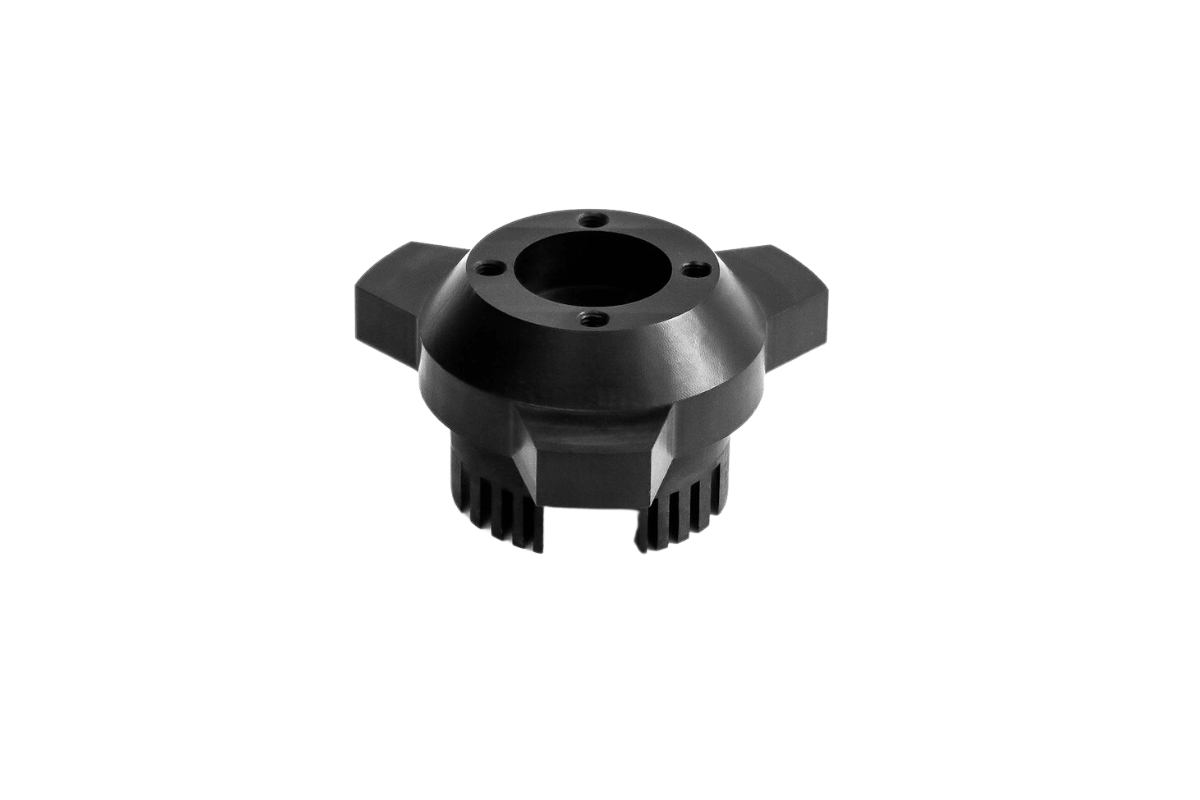
The availability of materials can also impact cost. If a material is in short supply, its price may increase, potentially affecting the overall cost of the project.
Complexity of Part Design and Impact on Cost
The complexity of the part being machined has a significant impact on the cost of CNC machining services. More intricate designs typically require longer machining times, advanced tooling, and more sophisticated machines.
Multi-Axis Machining: Parts that require machining on multiple axes (e.g., 5-axis machining) are generally more expensive to produce than simpler designs that can be completed using 3-axis CNC machines. The additional time and setup needed for multi-axis operations increase the overall cost.
Tolerance Requirements: Parts with extremely tight tolerances require more precise machines, which can increase production time and cost. In some cases, multiple passes may be needed to achieve the desired tolerance, further increasing machining time.
Surface Finish and Post-Processing: The type of surface finish specified for a part can also affect cost. A rough cut will be cheaper, but if a smooth or polished finish is required, additional machining and post-processing steps will add to the expense.
Ways to Reduce CNC Machining Costs
There are several strategies manufacturers can employ to reduce the overall cost of CNC machining services while still achieving high-quality results:
Optimize Material Selection: Choosing a material that balances performance with cost is crucial. For example, if a part doesn’t require the high strength of titanium, using aluminum or another less expensive metal could lower costs.
Simplify the Design: Where possible, simplifying the design can reduce the amount of time required for machining. Avoiding overly complex geometries or unnecessary features can help minimize the number of machining operations and reduce costs.
Reduce Tolerance and Finish Requirements: If the project allows for looser tolerances or a less refined surface finish, these adjustments can significantly reduce machining time and expense. Being clear about which features of the part require high precision can help focus the machining efforts where they are most needed.
Increase Batch Size: Ordering larger quantities of parts can reduce per-unit costs, as setup and machine programming are spread across more units. High-volume production runs can lead to economies of scale, making CNC machining more cost-effective.
Consider Secondary Operations: In some cases, combining CNC machining with other manufacturing methods like casting or additive manufacturing can reduce costs. CNC machining can be used for finishing or adding precision to parts produced by other methods.
In conclusion, the cost of CNC Machining Services is influenced by factors such as material choice, design complexity, and production volume. By optimizing these factors, manufacturers can manage their budgets effectively while ensuring they receive high-quality, precise parts. Strategies such as simplifying the design, selecting the right material, and increasing batch size can all contribute to cost savings.
Cost Factors in CNC Machining Services
The cost of CNC Machining Services is influenced by various elements, ranging from material choice to the complexity of the part's design. Understanding these factors can help businesses manage budgets while ensuring high-quality production. Below, we’ll explore the primary cost drivers and strategies for minimizing expenses in CNC machining.
Material Costs and Availability
Materials play a key role in determining the cost of CNC machining services, as different materials have different price points and availability.
Metals: Metals such as aluminum, steel, and titanium are common in CNC machining, each with varying costs. Aluminum is one of the most affordable and widely used materials due to its ease of machining and availability. Steel tends to be more expensive because it’s harder to machine, while titanium, known for its strength and light weight, is among the most expensive metals to machine.
Plastics: For certain applications, plastics like ABS, nylon, and POM can be more cost-effective. They are easier to machine than metals, resulting in lower production costs.
Exotic or Specialized Materials: If a project requires high-performance or rare materials like Inconel or carbon fiber, the cost will rise significantly. These materials are more expensive due to their specialized properties and limited availability.
Material costs are also influenced by global supply and demand, so prices may fluctuate based on market conditions.
Complexity of Part Design and Impact on Cost
The design complexity of the part being machined has a major impact on the cost of CNC machining services. The more intricate the design, the longer the machining time and the higher the overall expense.
Multi-Axis Machining: Parts that require 5-axis CNC machines for complex geometries are more expensive to produce than simpler parts that can be made using 3-axis machines. Multi-axis machining allows for more sophisticated designs but comes with higher setup costs and longer production times.
Tight Tolerances: Parts requiring extremely tight tolerances are more costly because they demand greater precision and longer machining times. Achieving such tolerances may also require additional quality control and inspection processes, which add to the overall cost.
Surface Finish and Post-Processing: The required surface finish can significantly affect machining costs. A rougher surface is faster and cheaper to achieve, but more refined finishes, such as polishing or anodizing, add time and expense to the production process.
Ways to Reduce CNC Machining Costs
There are several strategies that manufacturers can use to reduce the overall cost of CNC machining services without compromising quality:
Optimize Material Selection: By carefully selecting materials that offer the best balance between cost and performance, manufacturers can reduce expenses. For instance, using aluminum instead of titanium for parts that do not require high strength can lead to significant savings.
Simplify the Design: Simplifying the part’s design can lower costs by reducing the number of operations required to machine it. Avoiding overly complex features and unnecessary details can cut machining time and reduce overall expense.
Adjust Tolerance and Finish Requirements: If high precision is not essential for every feature of the part, relaxing tolerance and surface finish requirements can reduce costs. This approach allows manufacturers to focus on areas that need precision while saving time on less critical aspects.
Increase Batch Size: Larger production runs tend to lower the per-unit cost due to economies of scale. Once the machine is set up, the cost of producing additional parts is reduced, making high-volume orders more cost-effective.
Combine Processes: In some cases, using a combination of manufacturing processes, such as CNC machining for precision work and casting or 3D printing for simpler geometries, can lower costs.
In conclusion, the cost of CNC Machining Services is determined by factors like material choice, design complexity, and production volume. By optimizing these aspects—such as selecting appropriate materials, simplifying designs, and adjusting tolerances—businesses can effectively manage costs while still producing high-quality parts.
Tolerances and Accuracy in CNC Machining
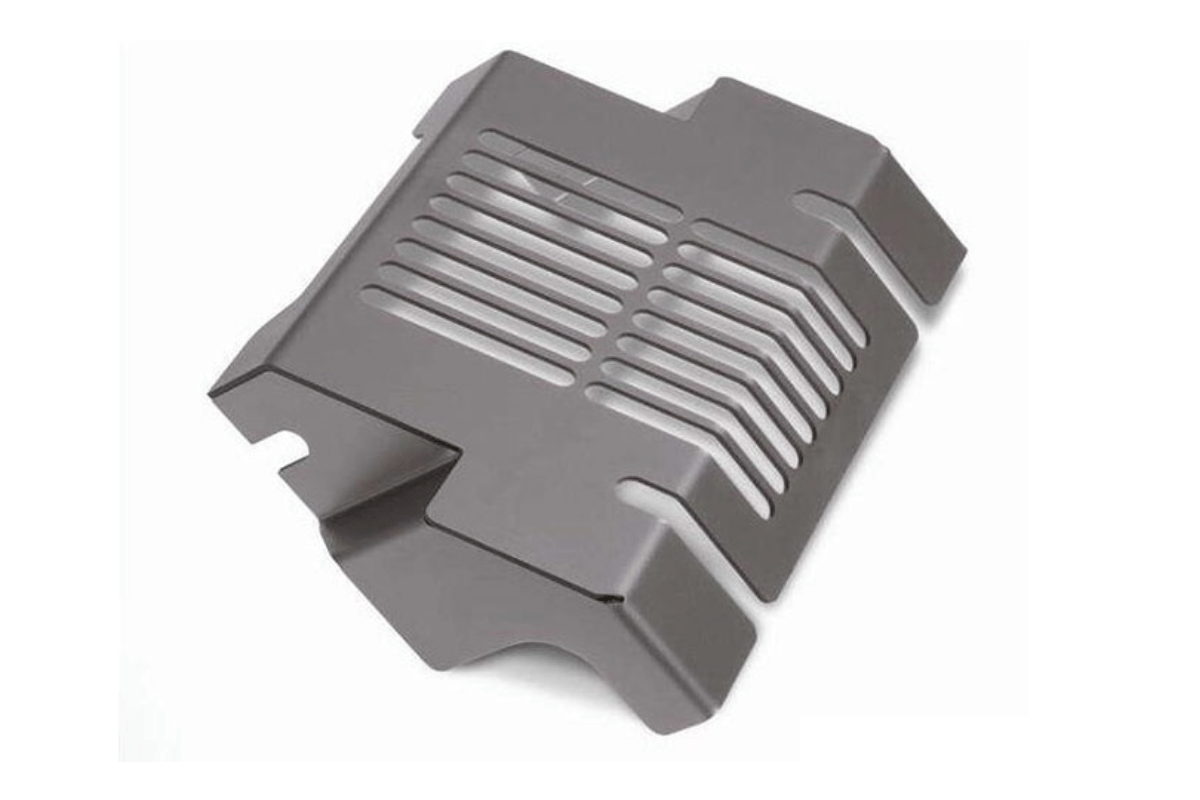
In CNC Machining Services, achieving tight tolerances and high accuracy is essential for ensuring the quality and functionality of machined parts. Tolerances define the allowable deviation from the specified dimensions, while accuracy refers to how closely a machined part matches its intended design. Below, we explore the importance of tolerances, methods to achieve high precision, and how consistency is maintained in large production runs.
Importance of Tight Tolerances in CNC Machining
Tight tolerances are critical in industries where precision directly affects the performance and safety of the final product. For example, in sectors like aerospace, medical devices, and automotive manufacturing, even the smallest deviations in part dimensions can lead to mechanical failures or safety risks.
Mechanical Fit: In applications where parts must fit together perfectly (e.g., gear assemblies or engine components), tight tolerances ensure that each piece functions correctly. If tolerances are too loose, components may not fit or perform as expected, leading to inefficiencies or system failures.
Interchangeability: In mass production, maintaining tight tolerances is essential for ensuring that parts are interchangeable. This is particularly important in industries such as automotive, where parts are often assembled from multiple suppliers. Adhering to strict tolerances ensures that parts from different batches or manufacturers will fit together seamlessly.
Performance and Safety: In industries like medical devices and aerospace, where safety and performance are paramount, parts with loose tolerances could lead to catastrophic failures. Achieving high precision helps ensure the reliability and durability of critical components.
Achieving High Precision with CNC Machines
CNC machining is known for its ability to achieve exceptionally tight tolerances, often within a few microns. Several factors contribute to the precision of CNC machines:
Multi-Axis Capabilities: Modern CNC machines with 5-axis capabilities allow for more complex geometries to be machined with greater precision. The ability to move the tool and workpiece in multiple directions simultaneously reduces the need for repositioning, minimizing errors.
Advanced Software Integration: CAD/CAM software plays a vital role in ensuring precision by converting digital designs into exact machine instructions. The use of highly detailed G-code allows for precise control of the machine's movements, ensuring that every cut or drill matches the design specifications.
Tooling and Machine Calibration: The quality of the cutting tools and the regular calibration of CNC machines are critical for maintaining precision. Dull tools or misaligned machines can lead to inaccurate parts, so regular maintenance and tool replacement are essential for achieving high precision.
Temperature Control: Environmental factors like temperature can affect the precision of CNC machining. Some materials expand or contract with temperature changes, which can impact tolerances. In high-precision applications, CNC machines are often operated in temperature-controlled environments to maintain consistent accuracy.
Maintaining Consistency in Large Production Runs
In large-scale production, consistency is key to ensuring that each part meets the required specifications. CNC Machining Services are well-suited for this, as they offer excellent repeatability. The following factors help maintain consistency across production runs:
Automated Processes: CNC machining is highly automated, which minimizes the possibility of human error. Once the machine is programmed, it can produce identical parts repeatedly with little variation.
Quality Control: In large production runs, quality control systems are often implemented to ensure that each part meets the required tolerances. This may include in-process inspection using sensors or automated measurement tools to verify that parts meet dimensional requirements.
Tool Wear Monitoring: Over time, the cutting tools used in CNC machining will wear down, which can affect precision. Monitoring tool wear and replacing or sharpening tools at the appropriate intervals ensures that parts continue to meet tight tolerances throughout the production run.
Statistical Process Control (SPC): In high-volume production, manufacturers often use SPC to monitor and control the CNC machining process. By tracking key metrics like part dimensions and surface finish quality, manufacturers can detect any deviations early and take corrective actions to maintain consistency.
In conclusion, tight tolerances and high precision are essential components of CNC Machining Services, particularly in industries where accuracy is critical for performance and safety. By leveraging advanced software, high-quality tooling, and automated processes, CNC machines are capable of producing highly accurate and consistent parts, even in large-scale production runs.
Customization Options in CNC Machining Services
One of the greatest strengths of CNC Machining Services is the ability to offer extensive customization options to meet the specific needs of a wide range of industries. Whether it’s adjusting part designs, selecting materials, or applying finishing touches, CNC machining provides unparalleled flexibility. Below, we explore how designs can be customized, the role of tooling and fixturing, and the various finishing techniques available for CNC machined parts.
How to Customize Designs for CNC Machining?
CNC machining allows for the easy customization of part designs, whether for one-off prototypes or large production runs. Customization options include the ability to modify the size, shape, and features of a part to meet precise requirements.
Flexible CAD Designs: Since CNC machines operate based on CAD (Computer-Aided Design) models, custom designs can be quickly uploaded and adjusted. Manufacturers can easily modify dimensions, add intricate features, or update geometries without the need for new tooling.
Material Customization: CNC machining supports a wide variety of materials, from metals like aluminum, steel, and titanium to plastics like ABS, nylon, and POM. Depending on the application, the right material can be selected based on factors such as strength, weight, corrosion resistance, and machinability.
Tolerance Adjustments: Depending on the application's requirements, part tolerances can be customized to ensure that components meet specific fit and function criteria. For example, parts that need to interlock or function under tight mechanical conditions can be produced with higher precision.
Feature Customization: CNC machines can easily create complex features such as threaded holes, undercuts, cavities, and slots. This level of customization is beneficial for industries like automotive and medical devices, where parts often require detailed and precise features.
The Role of Tooling and Fixturing in Customization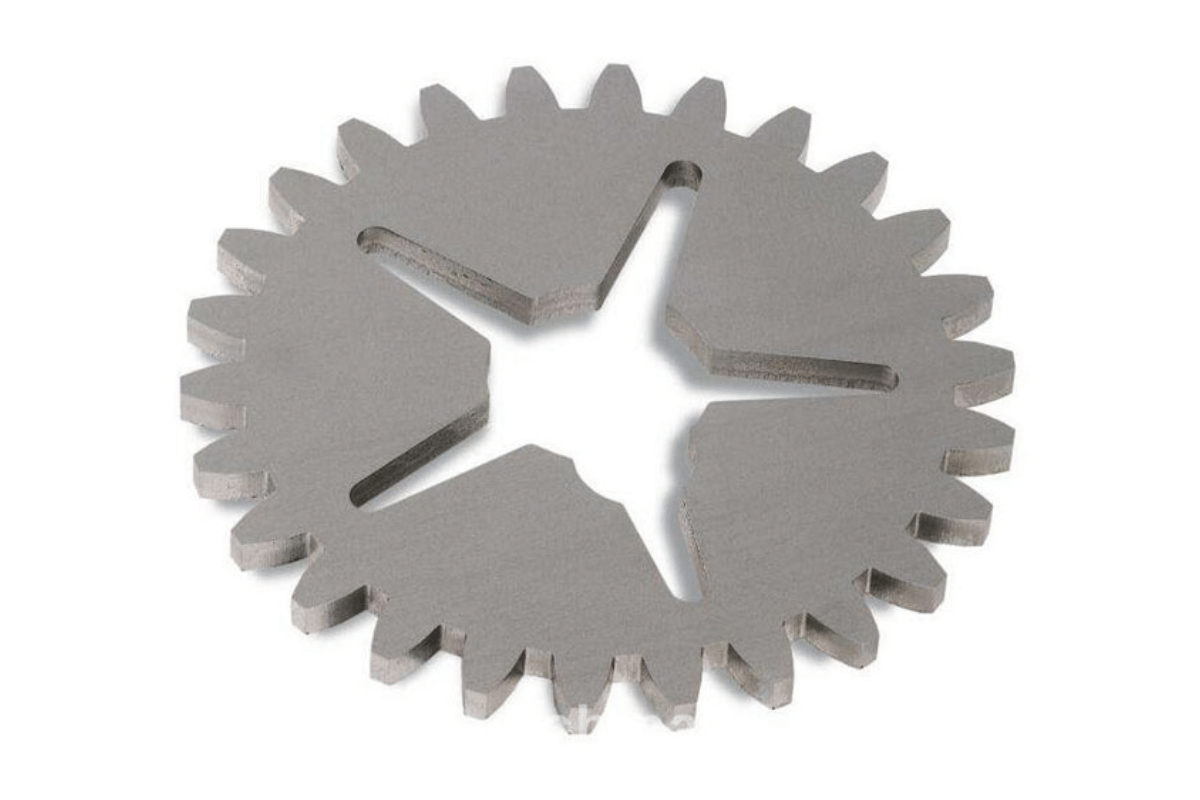
Tooling and fixturing are crucial elements in CNC machining, particularly when it comes to producing customized or highly detailed parts. Tooling refers to the cutting tools used in the machining process, while fixturing involves holding the workpiece in place during production.
Custom Tooling: CNC machines can be fitted with specialized cutting tools to create specific shapes and features. For example, threaded parts, chamfers, and angled cuts may require custom tooling to achieve the desired results. Manufacturers can choose from a wide variety of tool shapes, sizes, and materials to customize the machining process.
Fixturing for Complex Parts: For more complex parts, custom fixtures may be needed to securely hold the workpiece in place during machining. A custom fixture ensures that the part is held at the correct angle and position, allowing for precise cutting, drilling, or milling operations. This is especially important for multi-axis machining, where the workpiece may need to be rotated or repositioned multiple times.
Optimizing Tool Paths: In CNC machining, the tool path determines how the cutting tool moves in relation to the workpiece. Customizing the tool path can improve efficiency and accuracy, especially for intricate parts or designs with tight tolerances.
Custom Finishing Techniques for CNC Machined Parts
After machining, many parts require additional finishing processes to enhance their appearance, durability, or functionality. CNC machining services offer a wide range of custom finishing options to suit the specific needs of the project.
Surface Polishing: Polishing is a common finishing technique used to create a smooth or reflective surface on machined parts. It’s especially important for aesthetic components or parts that need to minimize friction in mechanical systems.
Anodizing: Anodizing is an electrochemical process that adds a protective layer to the surface of aluminum parts. This finish not only improves corrosion resistance but also provides a decorative layer that can be dyed in various colors.
Powder Coating: Powder coating is a durable, protective finish applied to metal parts. It provides a strong, scratch-resistant surface and is available in a wide variety of colors, making it a popular choice for automotive and consumer goods.
Bead Blasting: This process involves blasting the surface of a part with fine beads to create a uniform, matte finish. Bead blasting is often used to enhance the appearance of parts or to prepare the surface for further finishing, such as painting or anodizing.
Heat Treatment: Certain metals, like steel or titanium, may undergo heat treatment to increase hardness or improve wear resistance. This process involves heating the part to a specific temperature and then cooling it to achieve the desired material properties.
In conclusion, CNC Machining Services offer extensive customization options, from part design and material selection to advanced tooling and post-machining finishing techniques. This flexibility allows manufacturers to meet specific project requirements, ensuring high-quality, tailored parts that match the desired specifications. Whether it’s customizing designs for precision or applying specialized finishes, CNC machining provides the tools needed to produce parts that perform well in any application.
Challenges in CNC Machining Services and How to Overcome Them
While CNC Machining Services offer precision, speed, and versatility, there are certain challenges that manufacturers encounter when machining complex parts or difficult materials. Overcoming these challenges requires careful planning, the right tools, and expertise. Below, we explore some of the common obstacles in CNC machining and provide strategies to address them effectively.
Dealing with Hard-to-Machine Materials
Some materials, such as titanium, Inconel, and hardened steel, are notoriously difficult to machine due to their hardness, toughness, or poor thermal conductivity. These materials are often used in industries like aerospace, automotive, and medical devices, where high-performance components are required, but they pose unique challenges during machining.
Tool Wear and Breakage: Hard materials tend to wear out cutting tools quickly or even cause them to break. To combat this, manufacturers can use high-performance cutting tools made from materials such as carbide or ceramic, which have superior hardness and heat resistance.
Heat Management: Materials like titanium have poor thermal conductivity, which means that the heat generated during machining can accumulate in the cutting zone, leading to tool wear and part distortion. Using coolants and cutting fluids effectively, along with high-speed machining techniques, can help dissipate heat and protect both the tool and the workpiece.
Slower Machining Speeds: Hard-to-machine materials often require slower feed rates and cutting speeds to prevent excessive tool wear or damage to the part. Manufacturers must balance productivity with precision when dealing with these materials by optimizing tool paths and carefully selecting cutting parameters.
Managing Tool Wear and Breakage
Tool wear and breakage are significant concerns in CNC machining services, particularly when dealing with large production runs or tough materials. Even with high-quality cutting tools, wear is inevitable over time, which can affect part quality and machine efficiency.
Regular Tool Inspection and Maintenance: To prevent tool wear from negatively impacting part quality, it’s essential to perform regular tool inspections. Predictive maintenance techniques, such as monitoring cutting forces or tool vibrations, can help identify when a tool is reaching the end of its useful life.
Tool Material Selection: The choice of tool material has a direct impact on its longevity. For example, carbide tools are more resistant to wear than high-speed steel (HSS) tools, making them a better choice for machining hard metals or large production runs.
Coated Tools: Coatings such as titanium nitride (TiN) or diamond-like carbon (DLC) can significantly enhance tool life by reducing friction and increasing wear resistance. Using coated tools is especially beneficial when machining materials with abrasive properties.
Ensuring Precision in Complex Part Geometries
Producing complex geometries, such as undercuts, tight internal features, or intricate surface finishes, can be challenging, especially when tight tolerances are required. Multi-axis machining can help, but careful planning and setup are crucial to ensuring precision.
Optimizing Multi-Axis Machining: 5-axis CNC machines are ideal for producing complex parts because they allow the tool to approach the workpiece from different angles, reducing the need for multiple setups. However, to maximize precision, it's important to properly plan the tool paths and minimize tool movements that could introduce errors.
Fixturing and Workholding: For complex parts, creating custom fixtures that securely hold the workpiece in place during machining is crucial. Proper fixturing ensures that the part does not move or shift, which could affect dimensional accuracy. Multi-axis fixtures allow the part to be repositioned without losing alignment, improving precision in complex geometries.
Tight Tolerances: Maintaining tight tolerances in complex parts requires advanced measurement techniques, such as coordinate measuring machines (CMMs), to verify the part’s dimensions during and after machining. For parts with extremely fine details, in-process inspection can help ensure that tolerances are met throughout the machining process.
Coping with Machining Time and Production Efficiency
In high-volume production, balancing precision with speed can be a challenge. Long machining times, especially for complex parts or hard materials, can impact overall production efficiency.
Efficient Tool Path Planning: Optimizing tool paths is one way to reduce machining time without sacrificing quality. By minimizing non-cutting movements and using high-speed machining techniques, manufacturers can increase productivity while maintaining precision.
Automation and Robotics: Integrating automation into CNC machining processes can significantly reduce downtime and improve efficiency. For example, using robots for material handling, tool changes, or part inspections allows machines to run continuously, increasing output without increasing labor costs.
Batch Processing: Grouping similar parts or operations into batches can reduce setup times and improve overall efficiency. For example, machining multiple parts with the same material and tooling reduces the need for frequent tool changes, leading to faster production cycles.
In conclusion, while CNC Machining Services present challenges such as machining hard materials, managing tool wear, and ensuring precision in complex geometries, these obstacles can be overcome with the right tools, strategies, and planning. By optimizing the machining process, manufacturers can achieve high-quality results, even in demanding applications, while maintaining production efficiency and cost-effectiveness.
The Future of CNC Machining Services
The future of CNC Machining Services is bright, with new technologies and innovations driving increased automation, precision, and efficiency. As industries evolve and adopt more advanced manufacturing techniques, CNC machining continues to be at the forefront of modern production. Below, we explore the emerging trends and technologies shaping the future of CNC machining, its role in automation and robotics, and how it fits into the broader framework of Industry 4.0.
Emerging Technologies in CNC Machining
Technological advancements are transforming the capabilities of CNC machining services, enabling manufacturers to produce more complex parts with greater efficiency and precision.
Additive Manufacturing Integration: The integration of additive manufacturing (3D printing) with CNC machining is gaining traction. Hybrid machines that combine subtractive (CNC machining) and additive (3D printing) processes are enabling manufacturers to create parts with complex geometries that would be impossible or inefficient to produce with traditional CNC alone. This approach is particularly valuable for prototyping and creating lightweight, high-performance components in industries like aerospace and automotive.
AI and Machine Learning: Artificial intelligence (AI) and machine learning are being incorporated into CNC machines to optimize tool paths, predict maintenance needs, and improve overall efficiency. By analyzing data from previous machining processes, AI can help identify patterns that lead to tool wear or machine downtime, allowing manufacturers to take preventive action and reduce production delays.
Advanced Materials: The development of new materials, such as composites and high-performance alloys, is pushing the boundaries of CNC machining. These materials offer superior strength-to-weight ratios, corrosion resistance, and thermal stability, making them ideal for applications in industries like aerospace, defense, and medical devices. However, they also require advancements in tooling and cutting techniques to machine effectively.
Nanotechnology: As the demand for smaller and more intricate parts grows, nanotechnology is making its way into CNC machining. Machines capable of nano-precision are being developed to produce parts at the microscopic level for use in electronics, medical devices, and other high-tech industries. These machines can achieve extreme levels of accuracy, down to nanometers.
Automation and Robotics in CNC Manufacturing
Automation and robotics are rapidly changing the landscape of CNC machining, reducing the need for manual intervention and increasing production speeds. Fully automated CNC machines can operate 24/7 with minimal human supervision, making them more efficient and cost-effective for manufacturers.
Robotic Arm Integration: Robotic arms are being increasingly integrated into CNC machining cells for tasks like material handling, tool changing, and part inspection. These robots can load and unload parts, switch tools, and even perform secondary operations like deburring or polishing. By automating these tasks, manufacturers can reduce labor costs and minimize downtime between operations.
Lights-Out Manufacturing: The concept of lights-out manufacturing refers to fully automated CNC machining processes that run without human intervention. Machines operate independently, often overnight or during weekends, producing parts continuously without the need for operators. This approach significantly increases productivity while reducing labor costs, making it an attractive option for high-volume production.
Collaborative Robots (Cobots): Unlike traditional industrial robots, collaborative robots (cobots) are designed to work alongside human operators. In CNC machining, cobots can assist with tasks like loading materials, performing inspections, or handling finished parts. These robots are safer to work with and can be easily programmed for a variety of tasks, providing manufacturers with greater flexibility.
The Role of CNC in Industry 4.0
The rise of Industry 4.0—the fourth industrial revolution driven by digital transformation and data connectivity—has a profound impact on CNC machining services. CNC machines are evolving into smart, interconnected systems that communicate with other machines, systems, and humans to improve efficiency, flexibility, and decision-making.
Internet of Things (IoT) Integration: IoT-enabled CNC machines are equipped with sensors that collect data on machine performance, tool wear, and production status in real-time. This data is then transmitted to cloud-based systems for analysis, enabling manufacturers to monitor their operations remotely, predict maintenance needs, and optimize production schedules. The ability to access real-time data allows for better decision-making and reduces the risk of machine failures.
Digital Twins: A digital twin is a virtual representation of a physical machine or system. In CNC machining, digital twins are used to simulate machining processes, optimize tool paths, and test new designs before they are implemented on the shop floor. By creating a digital replica of the machining process, manufacturers can identify potential issues and make improvements without costly trial-and-error approaches.
Data-Driven Manufacturing: As big data becomes an integral part of manufacturing, CNC machines are becoming smarter and more autonomous. By collecting and analyzing vast amounts of data from CNC operations, manufacturers can identify trends, reduce waste, and improve efficiency. Data-driven insights can also be used to customize machining processes for specific applications, resulting in better part quality and faster production times.
In conclusion, the future of CNC Machining Services is shaped by emerging technologies like AI, robotics, and additive manufacturing, as well as the broader trend toward Industry 4.0 and smart manufacturing. These advancements promise to increase efficiency, precision, and flexibility, making CNC machining even more valuable to industries ranging from aerospace and automotive to medical devices and electronics. As technology continues to evolve, CNC machining will remain at the heart of modern manufacturing, driving innovation and shaping the future of production.
How to Choose the Right CNC Machining Service Provider?
Selecting the right CNC Machining Service provider is critical to ensuring high-quality parts, on-time delivery, and cost-effective solutions. Given the variety of options available, understanding the key factors to evaluate can help you make an informed decision. Below, we outline the most important criteria to consider when choosing a CNC machining company.
Key Factors to Consider When Selecting a CNC Machining Company
When assessing potential CNC machining providers, it’s essential to consider the following factors to ensure they can meet your specific needs.
Experience and Expertise: One of the most important factors is the provider’s experience in CNC machining and their familiarity with your industry. Companies with extensive experience are more likely to understand the complexities of your project and can offer solutions tailored to your specific requirements. Look for providers with expertise in the materials, tolerances, and part geometries that are critical to your application.
Machine Capabilities: Ensure that the provider has the necessary CNC machines to handle your project, whether it involves 3-axis, 5-axis, or multi-axis machining. For more complex parts, advanced equipment like 5-axis CNC machines will be necessary. Additionally, confirm that the provider can handle the material you plan to use, whether it’s aluminum, steel, plastics, or other specialized materials.
Production Capacity: It’s important to choose a CNC machining provider that can accommodate your production volume, whether you need a prototype or a large-scale production run. A provider with flexible capacity is better equipped to scale up production if demand increases, ensuring that your needs are met without delays.
Quality Control and Certifications: Quality is paramount in CNC machining, especially for industries like aerospace, automotive, and medical devices. Ask about the provider’s quality control processes, including in-process inspections and final checks using advanced measurement tools like coordinate measuring machines (CMMs). Certifications like ISO 9001 or AS9100 indicate that the company follows strict quality management standards.
Lead Times and Turnaround: Timely delivery is critical in manufacturing, especially if your project operates on tight deadlines. Be sure to inquire about the provider’s typical lead times and whether they can accommodate rush orders if needed. A provider with efficient processes and good turnaround times will help keep your project on schedule.
Cost Structure and Pricing: While cost is an important factor, it should not be the sole consideration. A low-cost provider may sacrifice quality or miss deadlines, leading to more significant issues down the line. Get detailed quotes from multiple providers, ensuring transparency in pricing, and compare not just the price but also the value offered in terms of quality, precision, and delivery times.
Customer Service and Communication: Effective communication is crucial throughout the manufacturing process. Choose a provider that is responsive, transparent, and willing to collaborate with you to address any issues that may arise. Providers who offer clear communication will make the production process smoother and more efficient.
Evaluating Capabilities and Equipment
When evaluating a CNC machining provider, it’s essential to assess their capabilities and equipment. Ensure that the provider has the technical expertise and machinery required to meet your project’s specifications.
Machine Precision and Tolerances: Ask about the tolerances that the provider can achieve with their CNC machines. For industries that require extremely tight tolerances, such as aerospace or medical devices, precision is non-negotiable. Make sure the provider’s equipment can meet the necessary accuracy levels for your project.
Material Specialization: Some CNC machining companies specialize in specific materials, such as metals, plastics, or composites. Confirm that the provider has experience working with the material you need, as this affects everything from machining speeds to surface finish quality.
Advanced Technology: Providers that invest in the latest technology, such as CAD/CAM software, automated tool changers, and multi-axis machines, are more likely to offer superior precision and faster production times. Companies that utilize IoT-connected machines or predictive maintenance systems may also provide better uptime and reliability.
Post-Machining Services: Some projects require additional finishing processes like anodizing, powder coating, or heat treatment after machining. Ensure that the provider offers these services or has partnerships with finishing companies, so you don’t need to coordinate with multiple vendors.
CNC Machining Service
Questions to Ask CNC Machining Service Providers
Asking the right questions can help you determine whether a CNC machining provider is the right fit for your project. Here are some essential questions to ask:
What industries do you specialize in?
This question will help you assess whether the provider has experience in your specific industry and can handle the challenges related to your project.
What materials do you commonly machine?
Ensuring that the provider can work with your required material is critical to the success of your project.
What is your quality control process?
Ask for details about the provider’s quality assurance procedures, including how they inspect parts, what measurement tools they use, and how they handle non-conforming parts.
Can you accommodate tight tolerances?
For high-precision parts, ask about the tolerances they can achieve and whether they have experience working within those requirements.
What are your lead times?
Make sure the provider can meet your project’s deadline, and inquire about their ability to handle urgent orders or production spikes.
Do you offer prototyping and mass production?
Choose a provider that can meet both your current and future needs, whether you’re producing a single prototype or scaling up to full production.
What are your payment terms?
Clarifying payment structures and terms upfront ensures there are no surprises during the course of the project.
In conclusion, selecting the right CNC Machining Service provider involves evaluating their expertise, equipment, and ability to meet your project’s needs. By considering factors such as production capacity, quality control, lead times, and customer service, you can choose a partner who will deliver high-quality parts on time and within budget. Asking the right questions and assessing their capabilities ensures a successful collaboration that meets your manufacturing goals.