



CNC Machining Surface Finish refers to the surface's texture, smoothness, and overall quality produced by CNC (Computer Numerical Control) machining processes. The surface finish is a crucial factor that can impact the functionality, aesthetics, and performance of the final product. Different techniques, such as milling, turning, or grinding, can result in varying surface finishes, which are often measured by parameters like roughness (Ra), waviness, and lay. Achieving the desired surface finish in CNC machining depends on factors such as tool selection, cutting speed, feed rate, and machining material. High-quality finishes are critical in industries like aerospace, automotive, and medical devices, where precision and smooth surfaces can influence part longevity and performance.
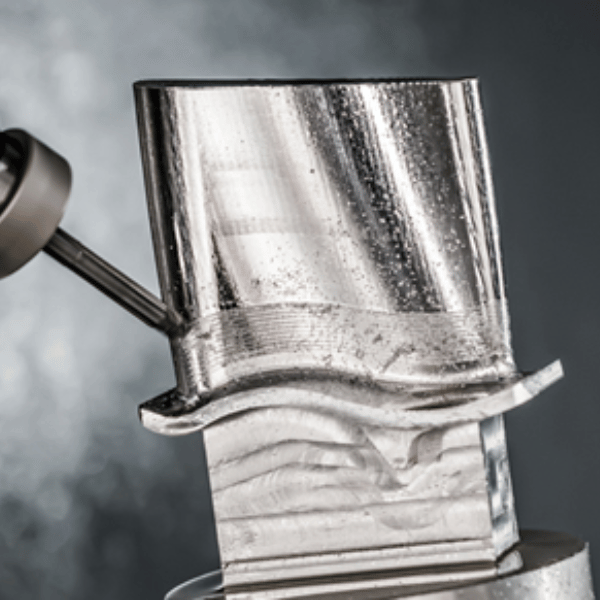
CNC Machining Surface Finish Recommend Products

CNC Machining Surface Finish Detail Introduction
CNC Machining Surface Finish is a critical aspect of manufacturing that directly affects both the functionality and appearance of machined parts. For beginners, understanding what surface finish means and its role in CNC machining is essential to producing high-quality parts that meet industry standards.
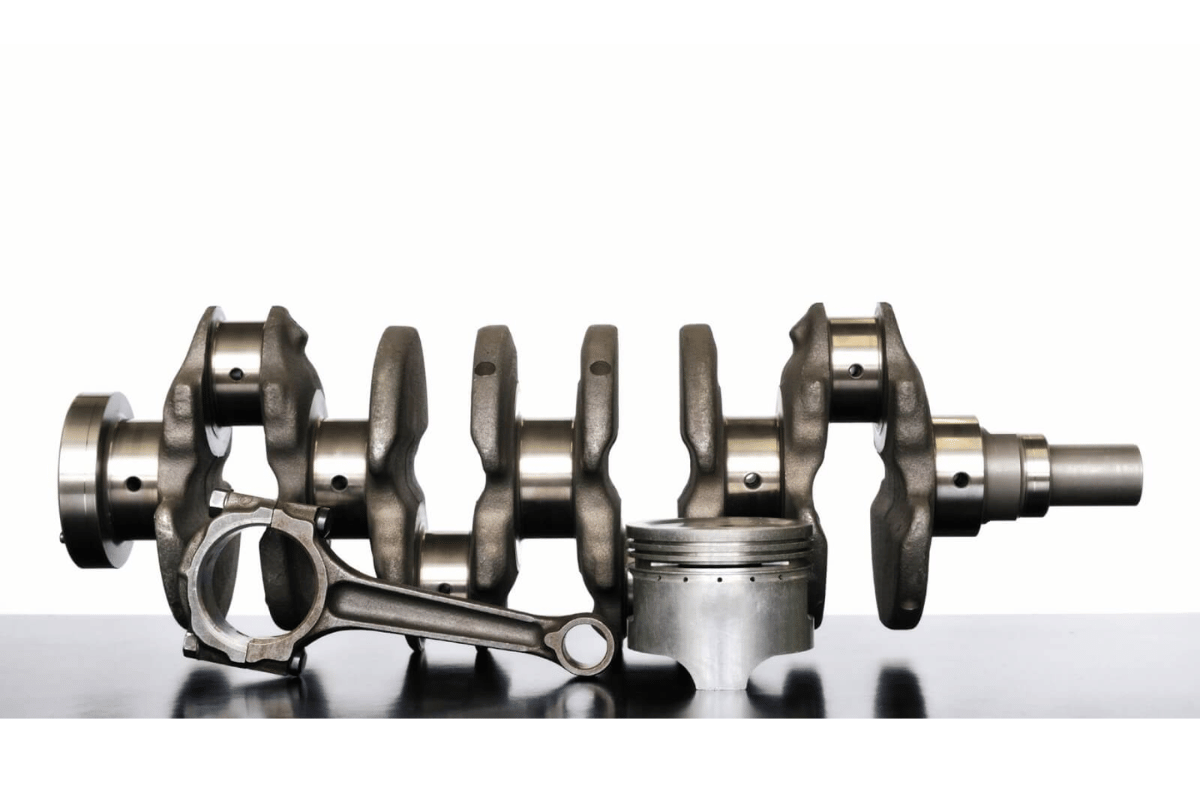
Definition of surface finish in CNC machining
In simple terms, surface finish refers to the texture or smoothness of a part’s surface after it has been machined. It is measured in terms of the roughness, waviness, and lay of the material's surface. Surface finish quality can significantly influence the part's performance, wear resistance, and aesthetic appeal. According to machining expert John Wilkinson, “Achieving the right surface finish in CNC machining can mean the difference between a part that functions perfectly and one that wears out prematurely.”
Importance of surface finish in manufacturing
The CNC Machining Surface Finish is not just about aesthetics; it also plays a critical role in the performance of parts. A poor surface finish can lead to friction, which might reduce the efficiency of the part or cause excessive wear and tear. For industries like aerospace and automotive, surface finish directly impacts product reliability and safety. In applications where parts must fit or move together, such as gears or bearings, precise surface finishes can be vital to maintaining functionality.
Factors affecting surface finish quality in CNC machining
Several factors contribute to the quality of a CNC Machining Surface Finish. These include:
- Material selection: Different materials respond differently to machining processes. Metals like aluminum and steel often provide better surface finishes than plastics or composites.
- Cutting tool condition: A sharp cutting tool produces a cleaner, smoother finish. Worn or dull tools can create rough surfaces and uneven textures.
- Cutting parameters: The cut's speed, feed rate, and depth all impact the surface finish. Adjusting these parameters appropriately can help in achieving a more refined finish.
Understanding the CNC Machining Surface Finish is crucial for beginners to produce high-performance parts. With proper knowledge of the influencing factors and the correct techniques, manufacturers can ensure that their parts look good and function efficiently.
Common Surface Finish Types in CNC Machining
CNC Machining Surface Finish varies widely depending on the type of finish applied during the machining process. Each finish serves a specific purpose, and the right selection can greatly affect the functionality and appearance of the final product. This section’ll cover the most common surface finish types used in CNC machining and their respective use cases.
Rough Machining Finish: Basic overview and use cases
CNC Machining Surface Finish begins with rough machining, which involves removing a significant amount of material from a workpiece to achieve a general shape. This type of finish is often coarse and is typically used in the early stages of the manufacturing process when fine precision is not yet required. Rough machining finishes are useful in large-scale projects where time efficiency and bulk material removal take precedence. For example, industries such as construction and heavy equipment manufacturing commonly use rough machining finishes to prepare parts for further refinement.
Semi-finish Machining: When and why it’s used
For more detailed and accurate parts, CNC Machining Surface Finish moves to semi-finish machining. This stage focuses on further refining the workpiece by removing a smaller amount of material than rough machining. The goal here is to get the part closer to its final dimensions while smoothing out the rougher surface left behind by the previous process. Semi-finish machining is essential in projects that require both strength and dimensional accuracy, such as engine components and structural parts in aerospace and automotive applications.
Fine Machining Finish: Achieving precision and smooth surfaces
Achieving a high-quality CNC Machining Surface Finish typically culminates in fine machining. This process is used when the final product requires tight tolerances and smooth surfaces. Fine machining is achieved by using sharp cutting tools, optimized speeds, and minimal material removal. This type of surface finish is crucial in industries such as medical device manufacturing, where precision and smooth surfaces can affect the product’s performance and safety. Fine machining finish minimizes the risk of imperfections that could lead to component failure or degradation over time.
Polishing and Buffing: For the best aesthetic appeal
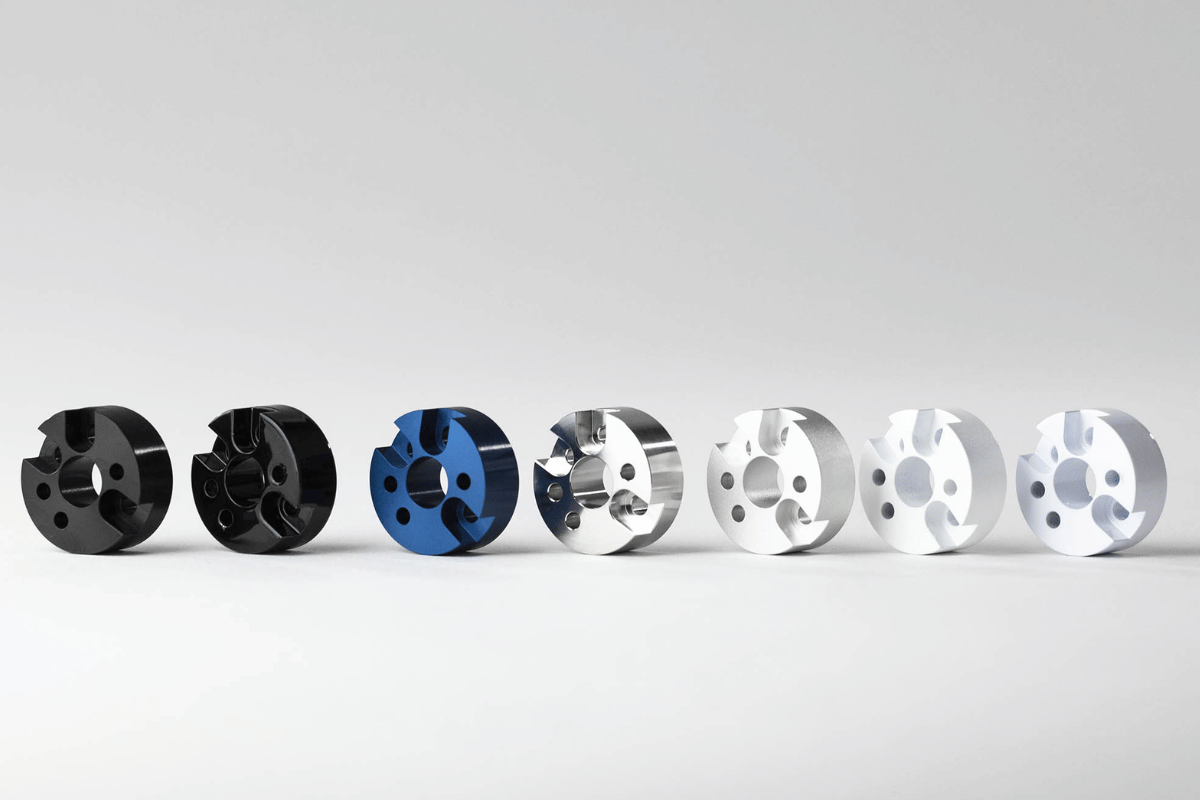
When aesthetics are paramount, CNC Machining Surface Finish often incorporates polishing and buffing techniques. These finishing processes are used to create a mirror-like surface with minimal roughness. Polishing removes small surface imperfections, while buffing adds shine and enhances the visual appeal of the part. Industries like luxury automotive, jewelry, and electronics frequently use these finishes to ensure their products function well and offer premium visual quality. For example, consumer electronics manufacturers rely on polished surfaces to create sleek, attractive products that appeal to customers.
In conclusion, selecting the appropriate CNC Machining Surface Finish depends on the part's intended use and the industry’s standards. Understanding these processes, from rough machining to fine finishing and polishing, is essential to achieving both functionality and aesthetic appeal in CNC-machined parts.
Factors Affecting CNC Surface Finish Quality
CNC Machining Surface Finish quality is influenced by a variety of factors, each playing a vital role in the outcome of the machined part. Whether you're aiming for a rough finish or a highly polished surface, understanding these factors can help optimize the results and ensure consistency across different projects. Here, we’ll dive into the primary elements that directly affect the surface finish quality in CNC machining.
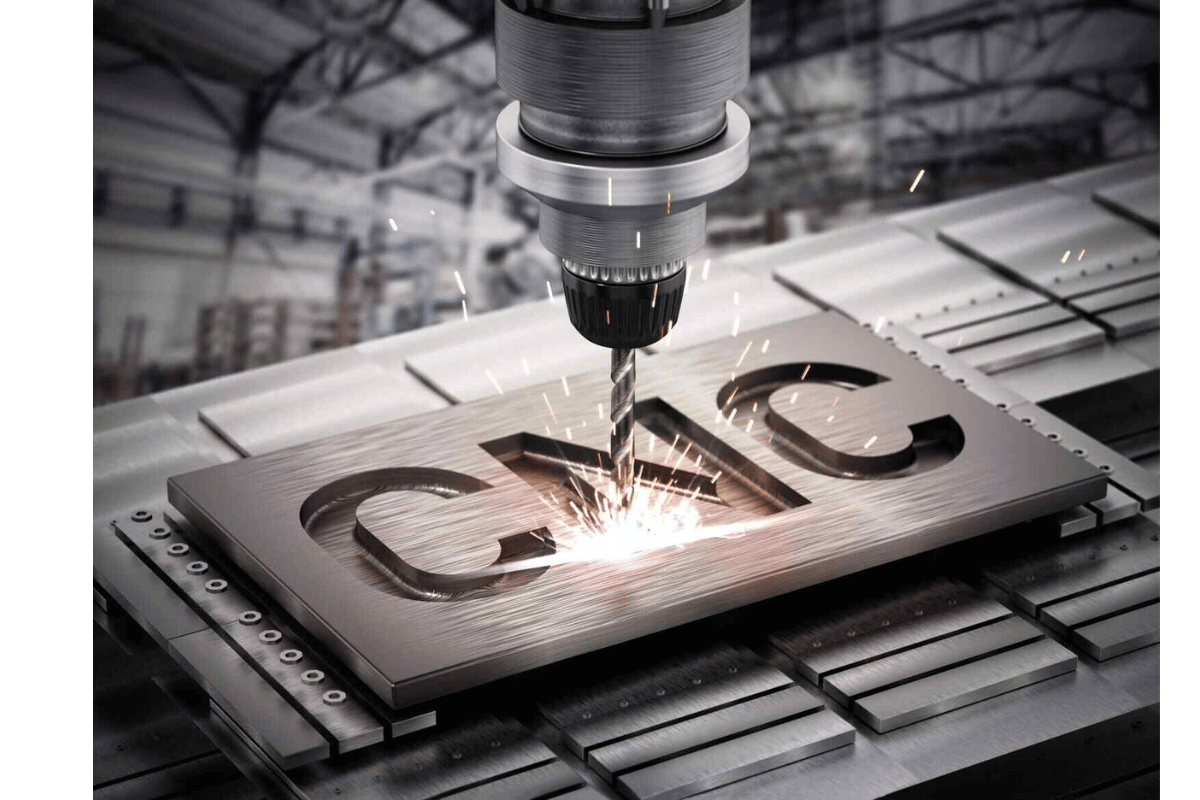
Material Type: How different materials (metals, plastics) impact finish
The type of material being machined significantly influences the CNC Machining Surface Finish. Hard metals like steel or titanium often require more precision and slower feed rates to achieve a smooth finish, whereas softer metals like aluminum or brass can achieve good surface finishes with higher speeds. Plastics, on the other hand, tend to behave differently under machining, often showing marks from tool vibrations or heating effects if not managed carefully. As machining expert Dr. Michael Toth explains, "Material selection is the foundation of achieving a high-quality surface finish. Knowing how the material interacts with cutting tools is key."
Cutting Tool: The influence of tool sharpness and geometry
Tool selection is crucial for obtaining the desired CNC Machining Surface Finish. A sharp tool with appropriate geometry can significantly reduce surface roughness. Conversely, dull tools will create imperfections, chatter, and a poor finish. The tool's material and coating also impact its performance. For example, carbide tools are often used for harder materials, while high-speed steel (HSS) tools are effective for softer materials. Additionally, the rake angle of the tool influences chip formation and the overall finish quality. Maintaining sharpness through proper tool maintenance is a primary factor in achieving consistently smooth surfaces.
Cutting Speed and Feed Rate: Optimizing these parameters for better finish
The speed at which the cutting tool moves (cutting speed) and the rate at which material is fed into the machine (feed rate) directly impact the CNC Machining Surface Finish. Higher cutting speeds generally produce a better finish, but if the speed is too high for the material, it may cause tool wear or even surface damage due to overheating. Feed rates that are too fast can result in rough surfaces, while too slow of a feed can lead to burning or unwanted material build-up. An optimized combination of speed and feed rate ensures minimal surface roughness while maintaining tool integrity.
Coolant/Lubricant Usage: Role in reducing heat and improving surface quality
Effective use of coolants and lubricants is another critical factor in achieving a high-quality CNC Machining Surface Finish. Coolants serve to dissipate heat generated during the cutting process, preventing thermal damage to both the tool and the workpiece. Lubricants reduce friction between the tool and the material, minimizing the chances of surface imperfections caused by material adhesion or wear. CNC operators must choose the correct coolant type and apply it at the right pressure and quantity for optimal results. As industry veteran Sam Grover states, "Using the right coolant strategy can be the difference between a rough, burnt surface and a polished, functional part."
Tool Path Strategy: Importance of strategy in minimizing tool marks
The chosen tool path strategy in CNC machining is a key element in determining the CNC Machining Surface Finish. A well-planned tool path reduces unnecessary movements and overlaps, leading to fewer tool marks on the surface. Strategies like climb milling, where the cutter moves in the same direction as the workpiece feed, are often recommended for achieving smoother finishes. Conversely, conventional milling can lead to a rougher surface as the tool may cut against the direction of the material. Proper planning and simulation of tool paths can reduce the need for post-machining processes like polishing or buffing.
In summary, optimizing these factors—material type, cutting tool, cutting speed, feed rate, coolant use, and tool path strategy—plays a significant role in determining the final CNC Machining Surface Finish. By fine-tuning each of these elements, manufacturers can consistently produce parts with the desired level of surface quality, minimizing the need for costly rework or additional finishing processes.
Measurement of Surface Finish in CNC Machining
CNC Machining Surface Finish measurement is essential for ensuring that the machined part meets the required specifications and performs optimally. Accurate measurement allows manufacturers to verify whether the surface finish aligns with quality standards and customer requirements. There are several parameters and tools used to evaluate surface finish, each offering insights into different aspects of surface quality.
Roughness (Ra): Definition and how it's measured
One of the most common ways to measure CNC Machining Surface Finish is by assessing roughness, typically represented as Ra (arithmetical average roughness). Ra measures the average deviation of a surface’s peaks and valleys from a mean line. A low Ra value indicates a smoother surface, while a higher Ra value suggests a rougher texture. Roughness is usually measured in microns, and various industries have strict standards for acceptable Ra values depending on the application. For instance, the medical and aerospace industries often require parts with extremely low Ra values to ensure precision and performance.
To measure Ra, devices like profilometers are used. These tools have a stylus that travels across the surface, measuring its texture. Digital profilometers provide real-time data and allow operators to make immediate adjustments if the surface finish is outside the desired range. As Dr. William Patterson, a machining standards expert, notes, “Accurate roughness measurement is non-negotiable in high-stakes manufacturing; even minute imperfections can lead to catastrophic failures in critical components.”
Waviness and Lay: Additional parameters for surface characterization
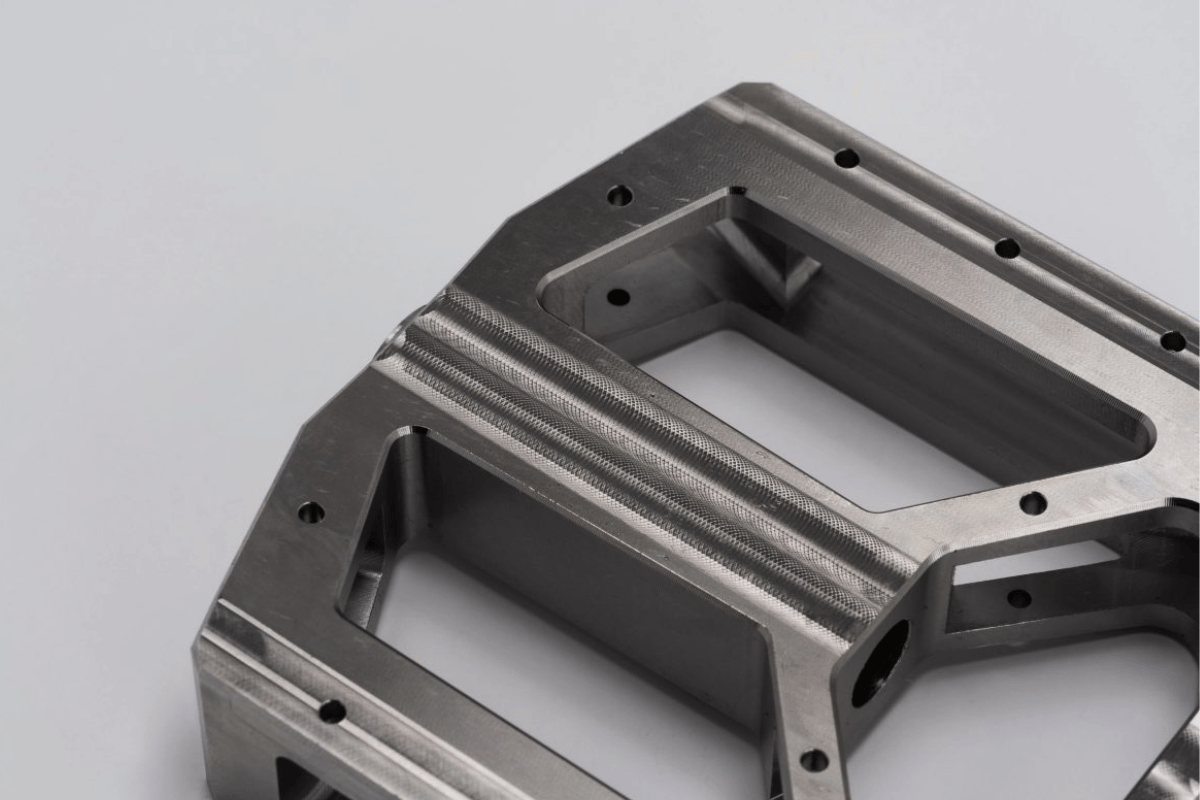
Beyond roughness, CNC Machining Surface Finish also includes parameters like waviness and lay. Waviness refers to the broader, more widely spaced surface irregularities that occur over longer distances. It is usually caused by factors such as vibration or deflection during machining. Waviness can have a significant impact on the fit and function of parts, especially in high-precision applications like bearings or seals.
Lay, on the other hand, describes the predominant direction of the surface pattern, typically created by the tool path. Understanding lay is crucial for parts that interact with other components, as mismatched lay patterns can cause unwanted friction and wear. Measuring both waviness and lay provides a more comprehensive assessment of CNC Machining Surface Finish beyond simple roughness, ensuring that the part meets its functional and aesthetic requirements.
Tools for Measuring Surface Finish: Profilometers, microscopes, and other equipment
Several tools are available for measuring CNC Machining Surface Finish, each offering different levels of accuracy and insight:
- Profilometers: As mentioned, these are the most common tools for measuring roughness (Ra). Stylus profilometers physically contact the surface, while optical profilometers use light to measure surface characteristics without contact. Optical tools are especially useful for delicate surfaces that could be damaged by a stylus.
- Microscopes: High-powered microscopes allow operators to visually inspect the surface finish at a microscopic level. This method is useful for identifying small defects that may not be captured by profilometers.
- 3D Surface Scanners: These advanced tools provide a full 3D representation of the surface, allowing for an in-depth analysis of surface textures, including roughness, waviness, and lay. They are increasingly used in industries requiring tight tolerances, such as electronics and precision optics.
In conclusion, measuring CNC Machining Surface Finish is a multi-faceted process that involves evaluating roughness, waviness, and lay. Using the right tools and techniques ensures that the final product meets both aesthetic and functional standards. Accurate surface measurement is critical to maintaining product quality, performance, and customer satisfaction.
Best Practices for Improving CNC Machining Surface Finish
CNC Machining Surface Finish can be significantly enhanced by following a set of best practices that focus on tool maintenance, process optimization, and material handling. Achieving a high-quality surface finish involves the initial machining process and careful planning and adjustments throughout the manufacturing cycle. In this section, we’ll explore key strategies that manufacturers can adopt to improve surface finish consistently.
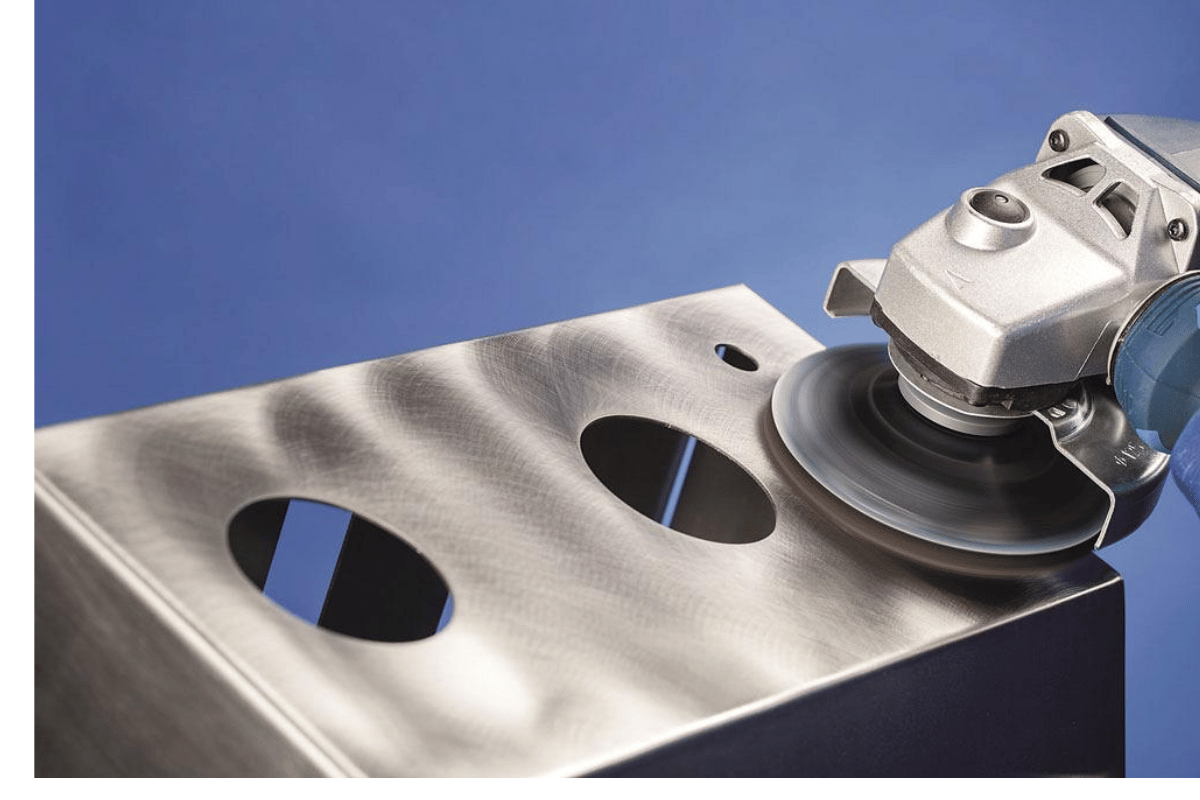
Tool Maintenance: Regular sharpening and replacement
One of the primary factors affecting CNC Machining Surface Finish is the condition of the cutting tool. Dull or worn-out tools produce uneven surfaces and can introduce burrs, scratches, or chatter marks. Regular sharpening and timely replacement of tools are essential to maintain optimal cutting performance. As a general rule, tools should be inspected after every significant machining job to ensure they are still sharp enough to provide a clean, precise cut.
In addition to sharpening, the choice of tool material can also impact surface finish. For instance, carbide tools are known for their durability and ability to maintain sharpness longer than high-speed steel (HSS) tools, especially when working with hard materials. Experts recommend using tools with coatings like titanium nitride (TiN) or diamond-like carbon (DLC) for even better wear resistance and smoother cuts. According to machining specialist Mark Richards, “Tool wear is one of the most critical variables in CNC machining. Neglecting it can lead to poor surface finishes and, ultimately, product failures.”
Cutting Parameter Optimization: Setting ideal speeds and feeds
Optimizing cutting speed and feed rate is crucial for improving CNC Machining Surface Finish. The right balance between these two parameters helps minimize tool marks and produces a smoother surface. Higher cutting speeds often lead to finer finishes, as the material is removed more cleanly. However, setting the speed too high can cause tool wear or overheating, especially with harder materials. Likewise, an excessively high feed rate may leave deeper tool marks and rougher surfaces, while too slow a feed can result in burning or material build-up.
Many CNC machines now come with integrated software that can simulate different speed and feed settings, helping operators to fine-tune parameters before beginning production. This reduces trial and error and ensures the machine operates within the optimal range for the desired surface finish.
Material Selection: Choosing materials with good machinability
The machinability of the material being used plays a significant role in determining the CNC Machining Surface Finish. Metals like aluminum, brass, and certain stainless steel alloys generally offer excellent machinability, meaning they are easier to cut and leave smoother finishes. On the other hand, materials like titanium and hardened steel may require special tooling and optimized cutting parameters to achieve a comparable surface quality.
Choosing materials with good machinability can save time and reduce the need for additional finishing processes like sanding or polishing. If your project demands a specific material that is difficult to machine, it's important to adjust cutting parameters and tool selection accordingly to mitigate potential surface imperfections.
Using High-Quality Coolants: How coolant choice affects finish
Coolants and lubricants are often overlooked but play a vital role in achieving a high-quality CNC Machining Surface Finish. Proper coolant application reduces the heat generated during cutting, which can otherwise lead to surface defects like burns, tool wear, and warping. High-quality coolants also help to flush away chips and debris from the cutting area, ensuring a cleaner finish.
Different coolants are better suited for specific materials and machining processes. For example, water-based coolants are commonly used in aluminum machining, while oil-based coolants are better for harder metals like steel. Ensuring that the right coolant is applied at the correct flow rate can greatly improve the final surface quality. Additionally, using mist or flood cooling methods can be highly effective in keeping both the workpiece and tool at optimal temperatures, preventing excessive wear and surface damage.
In conclusion, improving CNC Machining Surface Finish is a multifaceted process that requires attention to detail at every stage of production. By focusing on tool maintenance, optimizing cutting parameters, selecting the right materials, and applying high-quality coolants, manufacturers can consistently achieve superior surface finishes. These best practices not only enhance the quality of the final product but also increase production efficiency and reduce the need for costly post-processing steps.
Choosing the Right Surface Finish for Your CNC Project
CNC Machining Surface Finish selection is a critical decision that directly affects both the functionality and aesthetics of the final part. Different projects require different surface finishes based on the intended use, material type, and industry standards. Making the right choice ensures that the part performs its role effectively while minimizing the need for costly post-machining processes. In this section, we’ll explore the factors to consider when choosing the ideal surface finish for your CNC project.
Factors to consider based on part function and application
When selecting the appropriate CNC Machining Surface Finish, the first and most important consideration is the function of the part. For instance, if the part is meant for decorative purposes or will be visible in the final product, a polished or buffed surface may be necessary. Conversely, if the part is intended for internal mechanical use, where precision and fit are more important than aesthetics, a semi-finish or fine machining finish might suffice.
For parts that experience constant friction or wear, a smoother surface finish is crucial to minimize resistance and prolong the part's lifespan. This is especially important in industries such as aerospace, automotive, and medical devices, where the slightest imperfection can lead to mechanical failure or compromised performance. According to manufacturing consultant David Andrews, “Surface finish is not just an afterthought—it’s a critical element in ensuring both the reliability and longevity of machined components.”
Balancing cost and time with finish requirements
Achieving the perfect CNC Machining Surface Finish often involves a balance between cost, time, and quality. Polishing and buffing, for example, can be time-consuming and expensive, so it’s important to determine whether the added cost is justified by the part’s application. In many cases, a semi-finish or fine machining finish can meet the necessary requirements without requiring additional post-processing, thus saving time and reducing costs.
It's essential to communicate with your client or end-user about their expectations for the surface finish. If cost is a major concern, it might be possible to optimize the machining process by selecting a lower-grade finish that still meets functional requirements. On the other hand, if the part is for high-precision use, such as in medical instruments or electronic components, the added expense and time for a higher-quality finish are often justified.
Examples of industries that demand high-quality surface finishes
Certain industries place a premium on the CNC Machining Surface Finish, often demanding exceptionally smooth, defect-free surfaces. For example:
- Aerospace industry: Surface finish plays a key role in reducing friction and drag on parts used in aircraft engines and structural components. A precise finish can also prevent fatigue and crack initiation, which is critical for safety.
- Medical devices: Precision is crucial in medical devices, where a smooth surface finish can prevent contamination, ensure proper sterilization, and enhance the performance of implants or surgical tools.
- Automotive: Engine components, transmission parts, and bearings require a high-quality surface finish to minimize wear and ensure long-lasting performance.
In contrast, industries like construction or heavy machinery may prioritize strength and durability over aesthetic appearance or fine surface finishes, opting for rough machining finishes that speed up production while maintaining functional integrity.
In summary, choosing the right CNC Machining Surface Finish for your project depends on the functional requirements, cost constraints, and the industry in which the part will be used. By considering these factors and balancing them with time and budget, manufacturers can select a surface finish that optimally meets the demands of the project while maintaining efficiency and cost-effectiveness.
Common Challenges in Achieving Desired Surface Finish
CNC Machining Surface Finish can be difficult to perfect due to various challenges that arise during the machining process. Even with the best practices in place, certain factors such as tool wear, vibration, and material defects can compromise the quality of the surface finish. Understanding and addressing these challenges is crucial to achieving the desired outcome. In this section, we’ll examine the most common obstacles and how to overcome them.
Tool Wear: How it degrades finish and how to mitigate it
Tool wear is one of the most significant factors affecting CNC Machining Surface Finish. As cutting tools are used repeatedly, their sharpness diminishes, leading to rougher cuts, increased friction, and surface imperfections such as burrs or chatter marks. This degradation not only affects the quality of the surface finish but can also reduce the overall accuracy of the part.
To mitigate tool wear, it’s essential to regularly inspect and replace cutting tools before they become too dull. Implementing a tool management system that tracks usage and wear rates can help prevent surface finish issues before they occur. Additionally, using tools with high wear resistance, such as carbide-tipped tools or tools with advanced coatings (e.g., TiN, TiCN), can extend tool life and maintain a higher level of surface quality for longer periods.
Vibration and Chatter: Impact on surface quality and solutions
Vibration and chatter are common problems that can severely impact the CNC Machining Surface Finish. Chatter occurs when the cutting tool vibrates excessively during the machining process, leading to irregular patterns or roughness on the surface. This not only compromises the appearance of the part but also affects its performance, especially in precision components.
To reduce vibration, CNC operators can optimize the machine's spindle speed and feed rate. Slowing down the cutting speed or increasing the tool’s rigidity through shorter tool extensions can help stabilize the process and minimize chatter. Additionally, using vibration-damping tool holders and workholding solutions can further reduce the chances of chatter occurring. As machining expert Jennifer Adams states, “Chatter is one of the most frustrating challenges in CNC machining, but with the right adjustments to tool settings and machine rigidity, it can be effectively controlled.”
Material Defects: Identifying and addressing material-related finish issues
Material defects such as inclusions, porosity, or inconsistent material composition can have a direct impact on the CNC Machining Surface Finish. These defects may cause the material to behave unpredictably under the cutting tool, leading to irregularities in the surface finish that are difficult to correct. For instance, internal porosity in cast metals can result in pits or voids that compromise the smoothness of the machined surface.
The key to overcoming material-related surface finish issues is careful material selection and inspection. Conducting quality control checks on raw materials before machining begins can help identify any defects that could affect the final finish. If defects are found, manufacturers can choose to either reject the material or adjust the machining parameters to account for the inconsistencies. Using materials with better machinability ratings, when possible, is another strategy to minimize surface finish issues.
Heat and Thermal Distortion: Preventing damage to the surface
Heat generated during the machining process can negatively affect the CNC Machining Surface Finish by causing thermal distortion or burning. Excessive heat can warp the workpiece, leading to inaccuracies in the surface finish and overall dimensions. Additionally, high temperatures can cause the material to soften or melt, leaving behind rough, uneven surfaces.
To prevent thermal distortion, it’s important to use appropriate coolants and lubricants during the machining process. Coolants help dissipate heat and reduce friction, while lubricants ensure smoother tool movement across the material. Proper coolant application and monitoring of temperature levels during machining can significantly improve surface finish and prevent heat-related defects.
In conclusion, achieving the ideal CNC Machining Surface Finish requires overcoming challenges like tool wear, vibration, material defects, and heat generation. By addressing these issues through tool maintenance, process optimization, material inspection, and proper coolant usage, manufacturers can consistently produce parts with high-quality surface finishes.
Conclusion
CNC Machining Surface Finish plays a vital role in determining the quality, functionality, and longevity of machined parts. From understanding the various surface finish types to optimizing cutting tools, speeds, and feed rates, achieving the desired finish requires attention to detail at every step of the process. Each project may have different requirements, but focusing on best practices, such as proper tool maintenance, material selection, and the use of high-quality coolants, ensures that manufacturers can meet both aesthetic and functional goals.
Continuous improvement in CNC Machining Surface Finish is essential in high-precision industries like aerospace, medical devices, and automotive manufacturing, where even the smallest imperfections can lead to costly failures or performance issues. By regularly updating techniques, tools, and processes, manufacturers can stay ahead of challenges such as tool wear, vibration, and material inconsistencies, consistently producing high-quality parts that meet industry standards.
In summary, CNC Machining Surface Finish is not just about achieving a polished look—it's about ensuring that every part performs its function reliably, efficiently, and safely.
CNC Machining Surface Finish
FAQ: CNC Machining Surface Finish
CNC Machining Surface Finish is a complex subject that often raises questions, especially for beginners in the field. To clarify some of the most common concerns, here are answers to frequently asked questions about CNC surface finishes and their importance.
What is the best surface finish achievable in CNC machining?
The highest-quality CNC Machining Surface Finish achievable depends on several factors, including the material, cutting tools, and machining parameters. Generally, mirror-like finishes are achievable with fine machining processes followed by polishing or buffing. For roughness, a value as low as 0.2 microns (Ra) can be achieved in highly controlled environments using precise cutting tools and techniques. This finish level ensures optimal performance and reliability for industries requiring ultra-smooth surfaces, such as aerospace and medical devices.
How can I reduce surface roughness in CNC parts?
Reducing roughness in CNC Machining Surface Finish starts with optimizing cutting parameters such as speed, feed rate, and tool geometry. Using sharp, well-maintained cutting tools and selecting the appropriate tool path strategy also contributes to smoother finishes. Additionally, the use of coolants or lubricants helps reduce friction and dissipate heat, both of which are crucial for preventing surface imperfections. If a smoother finish is needed, secondary processes like polishing or buffing can be applied to further enhance the surface quality.
What tools are best for measuring surface finish in CNC machining?
Measuring CNC Machining Surface Finish accurately requires specialized tools that assess parameters like roughness, waviness, and lay. The most common tool is the profilometer, which measures the surface’s roughness by tracing the peaks and valleys with a stylus. Non-contact methods like optical profilometers use light to assess the surface texture without physically touching the material, which is ideal for delicate parts. Other tools like high-resolution microscopes and 3D surface scanners provide detailed visual assessments and measurements, allowing for a comprehensive finish evaluation.
How does surface finish affect part performance?
Surface finish is critical in CNC Machining Surface Finish because it directly influences the performance, durability, and appearance of a part. A smooth finish reduces friction, wear, and the likelihood of corrosion, which is essential for components that are in constant motion or contact with other parts. For precision applications like gears, bearings, and seals, the right surface finish ensures a tight fit and prevents early degradation. In high-tech industries like electronics and medical devices, surface finish quality can even impact the functionality of the final product.
Can surface finish be improved after machining?
Yes, CNC Machining Surface Finish can often be improved after the initial machining process through secondary operations. Techniques like polishing, buffing, and lapping are common methods used to achieve a finer finish. These processes remove small surface imperfections, creating a smoother texture. In some cases, specialized coatings or treatments can also be applied to enhance the finish, improve durability, or add corrosion resistance. However, post-machining processes add time and cost, so weighing the benefits against the project's overall requirements is important.
In summary, understanding the nuances of CNC Machining Surface Finish helps manufacturers and engineers produce parts that meet technical specifications and perform optimally in their intended applications. Whether it's choosing the right measurement tools or implementing best practices to reduce roughness, the importance of a well-executed surface finish cannot be overstated.